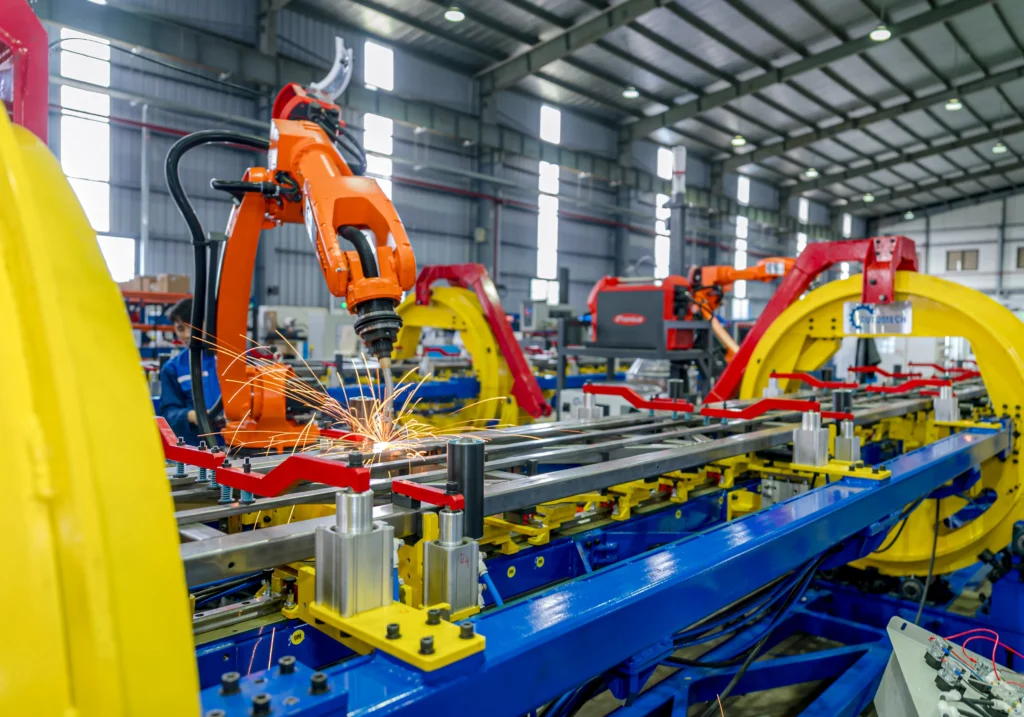
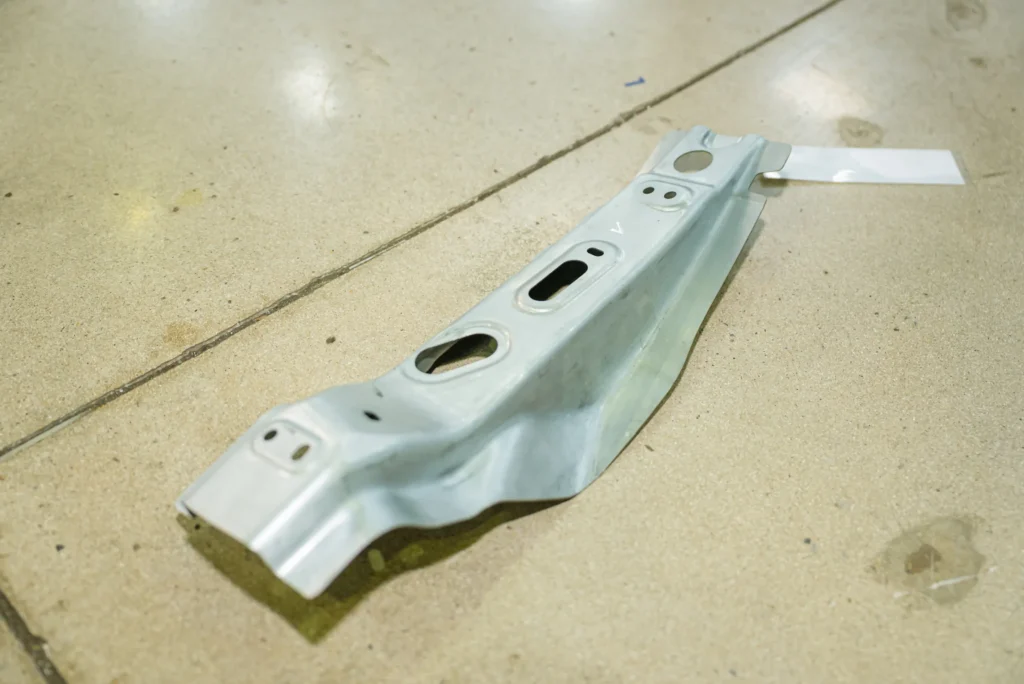
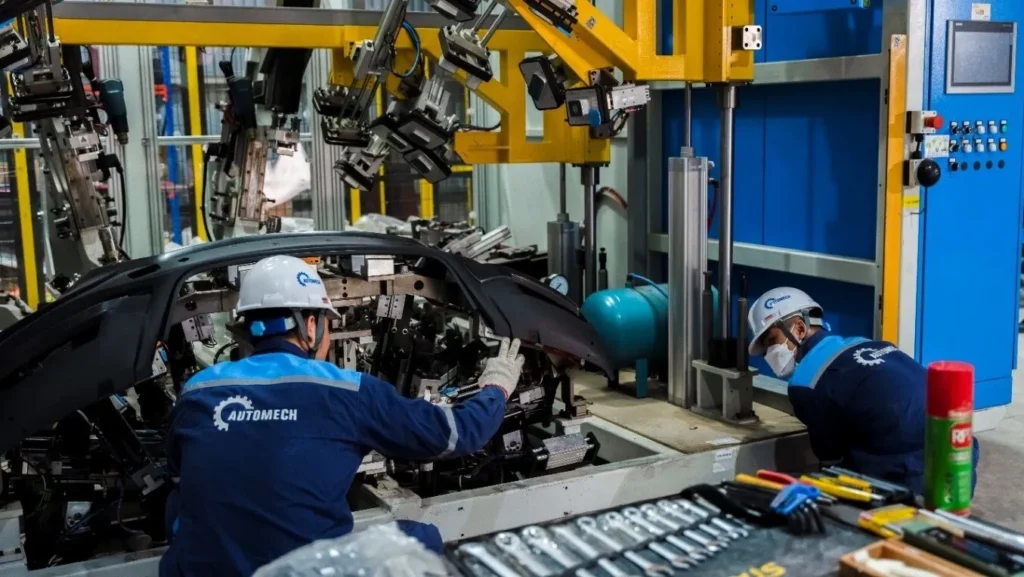
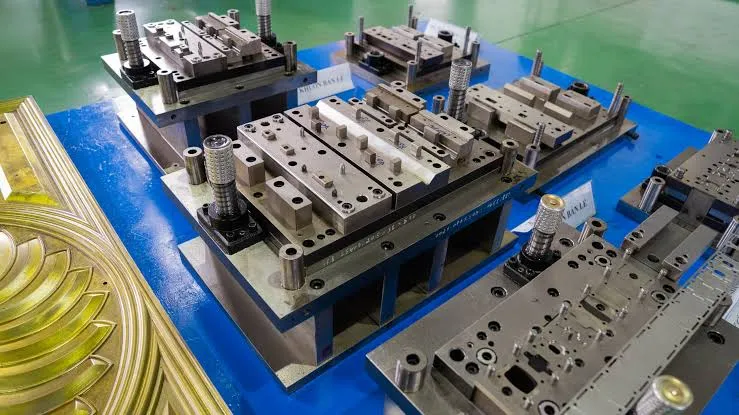
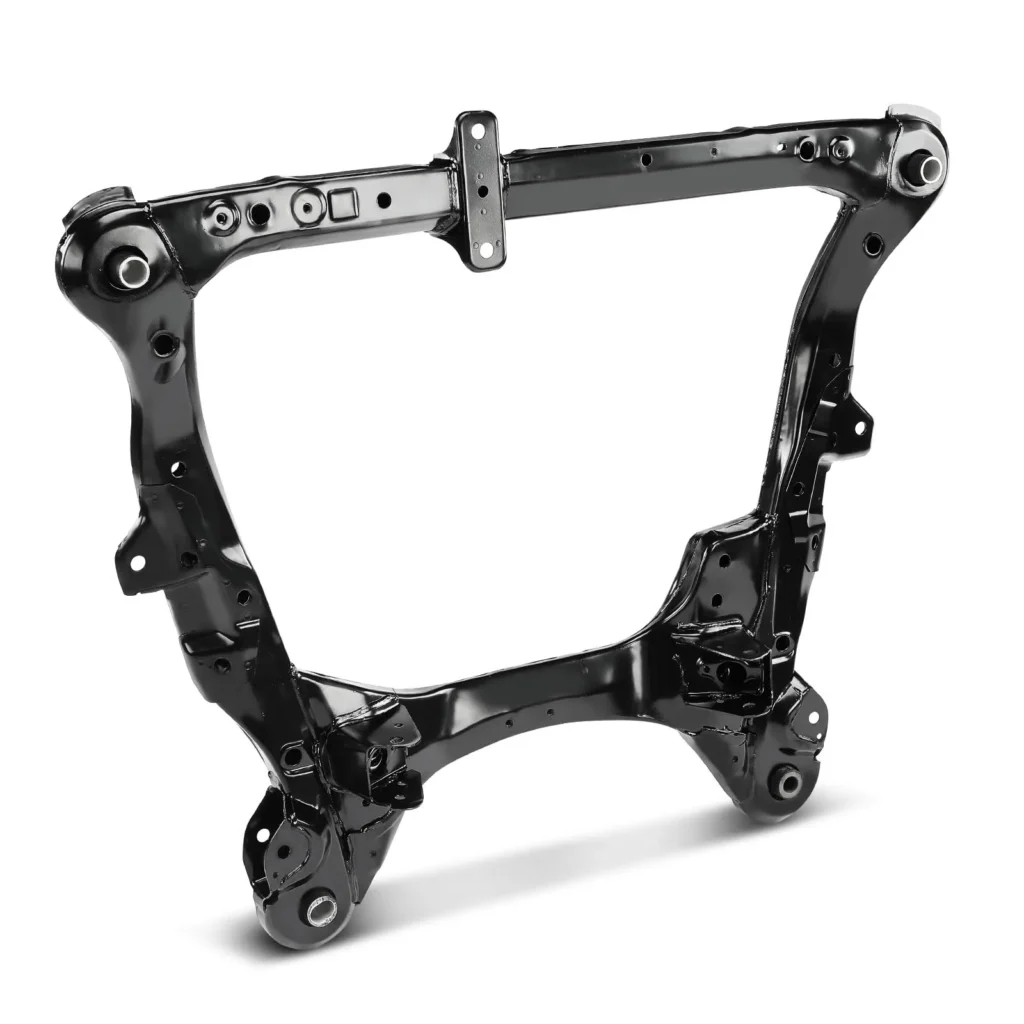
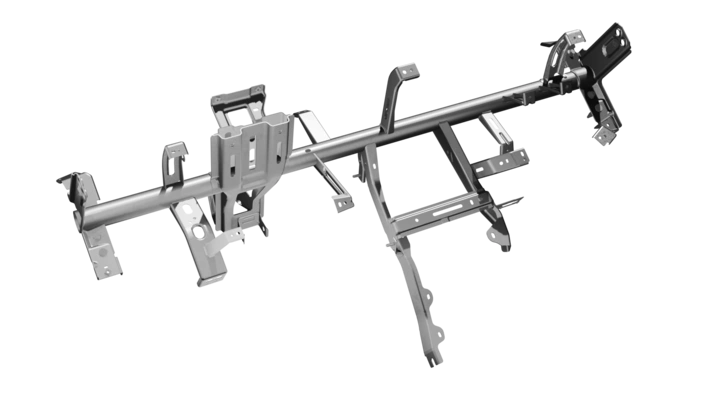
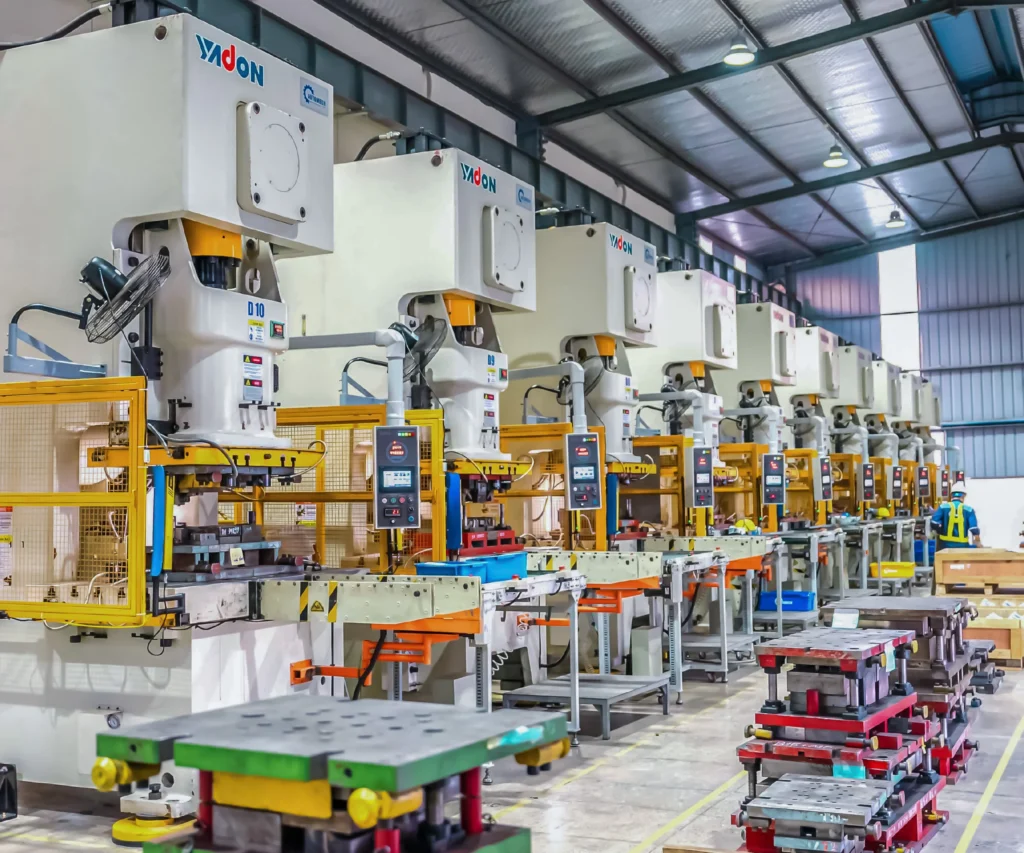
For decades, China has been the world’s manufacturing powerhouse. However, rising labor costs, geopolitical uncertainties, trade restrictions, and supply chain disruptions have encouraged global manufacturers to adopt a more diversified sourcing strategy. As a result, many OEMs and industrial buyers are actively searching for an alternative China CNC machining supplier that can provide competitive pricing, reliable quality, and long-term supply chain stability.
1. Introduction: The Global Shift Toward China+1 CNC Sourcing Strategy
Global supply chains are experiencing a major transformation. Rather than relying exclusively on a single manufacturing hub, companies are increasingly adopting diversified sourcing strategies to improve resilience and reduce operational risk.
1.1 Rising Global Supply Chain Uncertainty
The events of recent years have highlighted the vulnerabilities associated with concentrated manufacturing networks. Procurement teams are now placing greater emphasis on flexibility, redundancy, and regional diversification.
1.1.1 Geopolitical Tensions Affecting Manufacturing Stability
Trade disputes, export controls, sanctions, and shifting geopolitical relationships have introduced new uncertainties into global manufacturing operations. Companies that depend heavily on a single sourcing region face increased exposure to policy changes and cross-border disruptions.
As a result, many organizations are reevaluating their procurement strategies and seeking manufacturing partners in alternative locations.
1.1.2 Cost Inflation and Over-Dependence on China
China remains one of the world’s largest manufacturing centers, but rising wages, increasing compliance requirements, and higher operating costs have reduced some of the cost advantages that once attracted global manufacturers.
Many buyers now recognize that over-reliance on a single country creates unnecessary risks and limits sourcing flexibility.
1.2 Why Buyers Search “Alternative China CNC Machining Supplier”
Companies are no longer focused solely on obtaining the lowest manufacturing cost. Instead, they seek suppliers that offer a balance of quality, reliability, risk mitigation, and long-term strategic value.
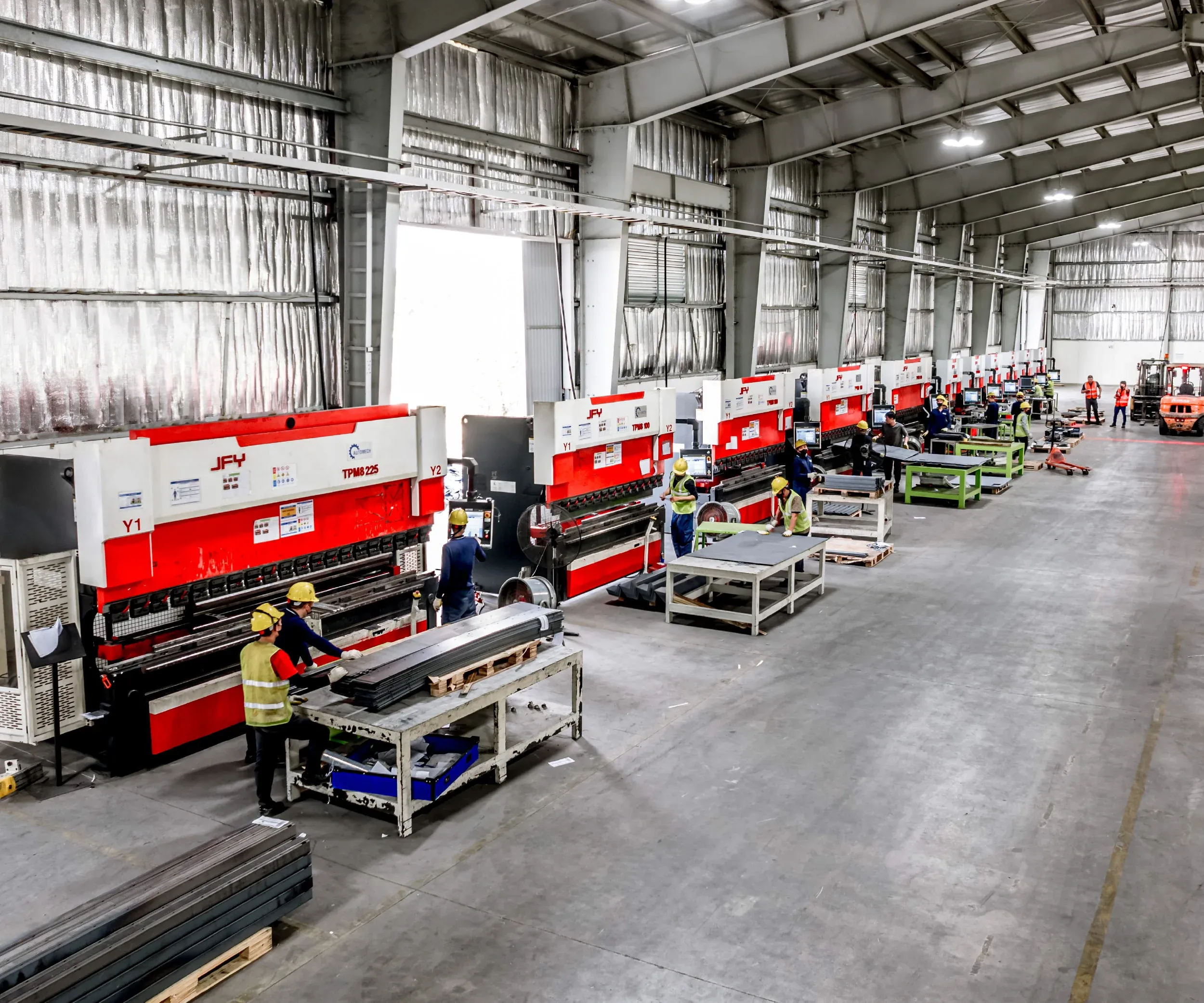
Many global manufacturers are searching for an Alternative China CNC machining supplier to diversify their sourcing strategies and reduce supply chain risks
1.2.1 Demand for Supply Chain Diversification
Diversification allows companies to reduce dependence on a single region while improving supply chain resilience. By working with suppliers across multiple countries, organizations can better manage disruptions and maintain production continuity.
For CNC machining projects, diversification has become an increasingly important procurement objective.
1.2.2 Need for Resilient and Multi-Country Sourcing Strategies
Modern sourcing strategies often involve maintaining parallel supplier networks across multiple countries. This approach helps companies respond more effectively to changing market conditions while improving supply security and procurement flexibility.
2. What is an “Alternative China CNC Machining Supplier”?
2.1 Definition of Alternative CNC Sourcing Strategy
An alternative China CNC machining supplier refers to a manufacturing partner located outside China that provides CNC machining services while helping customers reduce sourcing risks and diversify their supply chain.
2.1.1 Manufacturing Partners Outside China for Risk Reduction
These suppliers typically operate in countries such as Vietnam, India, Thailand, Malaysia, and other emerging manufacturing hubs. Their role is not necessarily to replace China entirely but to provide additional sourcing options that improve supply chain resilience.
For many global manufacturers, alternative suppliers have become an essential component of long-term procurement planning.
2.1.2 Focus on Cost, Quality, and Geopolitical Stability
Successful alternative sourcing destinations must offer more than lower labor costs. Buyers increasingly evaluate countries based on manufacturing capabilities, engineering expertise, political stability, export infrastructure, and quality management systems.
Vietnam has emerged as one of the strongest candidates because it delivers a compelling balance of all these factors.
2.2 Role in Global Procurement Strategy
Alternative suppliers play an increasingly important role within modern sourcing frameworks.
2.2.1 China+1 Sourcing Model
The China+1 strategy involves maintaining manufacturing operations in China while simultaneously developing supply relationships in at least one additional country.
This approach allows companies to leverage China’s established ecosystem while reducing concentration risk.
2.2.2 Multi-Supplier Global Distribution System
Leading manufacturers often create regional supplier networks that include multiple qualified partners across different countries. Such networks improve flexibility, reduce disruption risks, and provide greater negotiating power during procurement decisions.
3. Why Companies Are Looking for China Alternatives
The shift toward alternative sourcing destinations is driven by a combination of geopolitical, economic, and strategic considerations.
3.1 Geopolitical and Trade Risks
Global trade dynamics have become increasingly complex, creating new challenges for international manufacturers.
3.1.1 Tariffs and Trade Restrictions
Tariffs can significantly impact total landed costs and reduce pricing competitiveness. In some industries, ongoing trade disputes have prompted buyers to seek manufacturing locations with more favorable trade conditions.
Companies serving international markets must carefully evaluate how trade policies affect long-term sourcing decisions.
3.1.2 Supply Chain Disruption Risks
Recent disruptions have demonstrated how vulnerable global supply chains can be when production is concentrated in a single region. Natural disasters, regulatory changes, transportation bottlenecks, and geopolitical events can all affect manufacturing continuity.
Diversification helps mitigate these risks and improves operational stability.
3.2 Cost and Operational Pressures
Manufacturers face increasing pressure to improve efficiency while maintaining quality and delivery performance.
3.2.1 Rising Labor and Production Costs in China
Over the past decade, labor costs in China have risen substantially. While productivity improvements have offset some of these increases, many companies are now evaluating alternative locations that offer lower operating costs without sacrificing quality.
Vietnam has become particularly attractive in this regard.
3.2.2 Hidden Compliance and Logistics Costs
Beyond labor expenses, buyers must consider compliance costs, tariffs, logistics expenses, inventory carrying costs, and supply chain risks when evaluating sourcing destinations.
A lower piece price does not always translate into the lowest total cost of ownership.
3.3 Strategic Risk Diversification
Risk management has become a central objective for procurement leaders.
3.3.1 Avoiding Single-Country Dependency
Companies that rely exclusively on one country for critical components expose themselves to unnecessary operational risks. Diversifying suppliers across multiple locations improves flexibility and reduces vulnerability to external disruptions.
3.3.2 Building Resilient Supply Chains
A resilient supply chain is capable of adapting quickly to changing circumstances. By developing relationships with alternative CNC machining suppliers, organizations can maintain continuity and support long-term business growth.
4. Risks of China-Centric CNC Supply Chains
While China remains an important manufacturing hub, relying exclusively on a China-centric sourcing model can create significant operational and strategic risks.
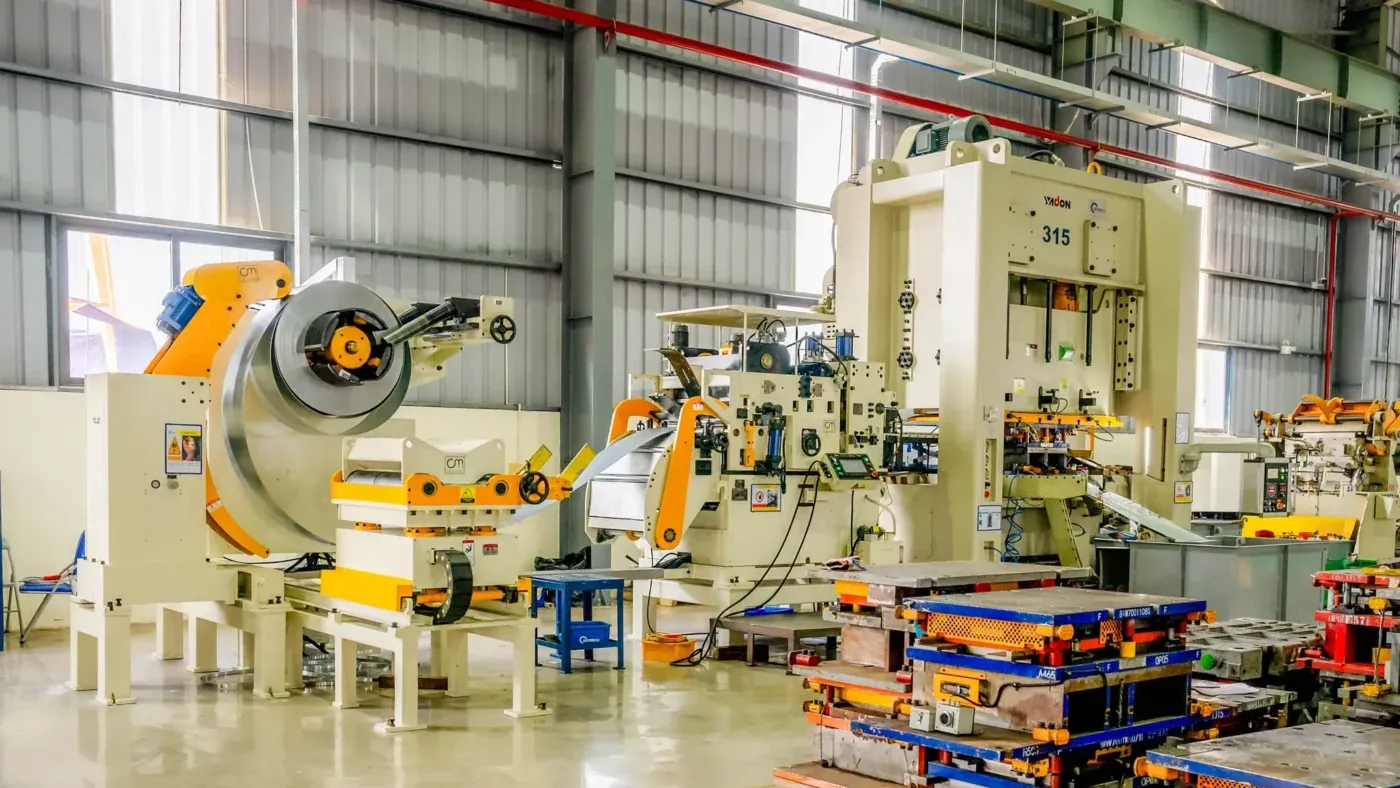
An Alternative China CNC machining supplier can provide competitive manufacturing costs while maintaining high quality standards and reliable delivery performance
4.1 Operational Risks
4.1.1 Production Delays and Export Restrictions
Changes in regulations, transportation constraints, labor shortages, or export restrictions can create unexpected delays that affect delivery schedules and customer commitments.
For manufacturers operating just-in-time production systems, even small disruptions can have significant consequences.
4.1.2 Capacity Allocation Challenges
Large suppliers often prioritize major customers during periods of high demand. Smaller buyers may face extended lead times or reduced production flexibility when capacity becomes constrained.
Diversified sourcing strategies help reduce dependence on a single production source.
4.2 Compliance Risks
4.2.1 Increasing Regulatory Complexity
Global trade regulations continue to evolve, requiring companies to manage increasingly complex compliance requirements. Sourcing from multiple regions can help reduce exposure to changing regulatory environments.
4.2.2 Quality Consistency Challenges Across Suppliers
Maintaining consistent quality across large supplier networks can be difficult. Procurement teams must carefully evaluate quality systems, process controls, and supplier capabilities to ensure reliable performance.
4.3 Strategic Risks
4.3.1 Over-Reliance on One Manufacturing Hub
Concentrating production within a single geographic region limits flexibility and increases exposure to external risks. Strategic diversification provides greater agility and long-term supply security.
4.3.2 Exposure to Geopolitical Instability
Political tensions, policy changes, and international trade disputes can directly affect manufacturing operations. Companies with diversified sourcing strategies are generally better positioned to respond to these challenges.
5. Global China+1 Manufacturing Strategy Explained
5.1 What is China+1 Strategy
China+1 is a sourcing approach that balances the advantages of China’s mature manufacturing ecosystem with the flexibility and security of additional production locations.
5.1.1 Diversifying Manufacturing Outside China
Global manufacturers are increasingly allocating part of their production volume to countries such as Vietnam, India, Thailand, and Malaysia. This diversification reduces dependence on a single country and creates alternative supply routes when disruptions occur.
5.1.2 Building Parallel Supply Chains
Instead of relying on one supplier network, companies establish parallel manufacturing capabilities across multiple regions. This strategy provides greater flexibility, improves business continuity, and enhances procurement negotiation power.
5.2 Key Alternative Regions
Several countries have emerged as attractive destinations for companies implementing China+1 sourcing initiatives.
5.2.1 Vietnam as Primary China Alternative
Vietnam has become the leading beneficiary of the China+1 movement. Its competitive labor costs, expanding industrial infrastructure, export-focused economy, and growing CNC machining expertise make it one of the strongest alternatives for precision manufacturing.
5.2.2 India and Southeast Asia Expansion
India offers significant scale and workforce availability, while countries such as Thailand and Malaysia continue investing in advanced manufacturing capabilities. Together, these markets contribute to a more diversified regional sourcing ecosystem.
5.3 Procurement Transformation
The rise of China+1 has fundamentally changed how global sourcing teams evaluate suppliers and manufacturing locations.
5.3.1 Multi-Country Sourcing Strategy
Leading procurement organizations now evaluate suppliers across multiple countries rather than concentrating sourcing activities in a single region. This approach creates greater flexibility and improves long-term supply chain security.
5.3.2 Supplier Redundancy Planning
Supplier redundancy has become a strategic priority. Maintaining qualified secondary suppliers in alternative countries helps reduce operational risks and ensures continuity during unexpected disruptions.
6. Best Countries for CNC Machining Alternatives to China
6.1 Vietnam
Vietnam has rapidly developed into one of Asia’s most attractive destinations for CNC machining and precision engineering.
6.1.1 Fast-Growing CNC Manufacturing Ecosystem
Over the last decade, Vietnam has invested heavily in industrial development, attracting foreign direct investment and expanding its precision manufacturing capabilities. Modern CNC machining facilities now support industries including automotive, aerospace, electronics, industrial equipment, and automation.
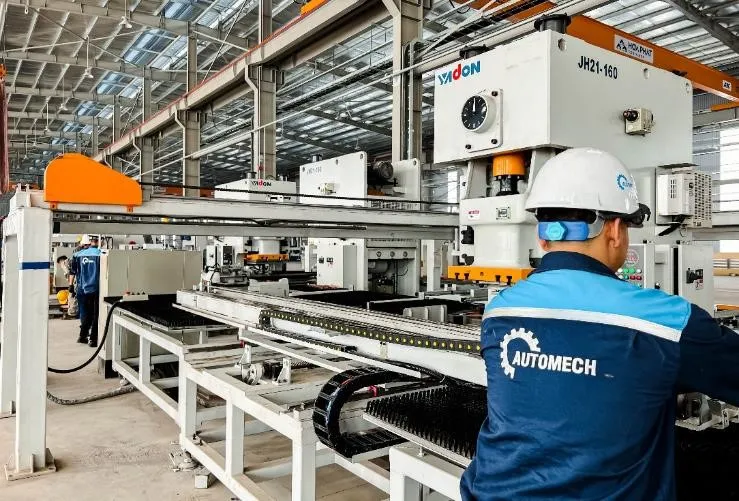
Vietnam has emerged as a leading destination for companies seeking an Alternative China CNC machining supplier with strong engineering capabilities
6.1.2 Strong Export Orientation
Vietnam’s manufacturing sector is highly export-focused, allowing suppliers to gain extensive experience serving customers in the United States, Europe, Japan, and other global markets. This international exposure helps manufacturers align with global quality and compliance requirements.
6.2 India
India continues to strengthen its position as a major manufacturing destination.
6.2.1 Large-Scale Industrial Base
India benefits from a vast workforce, extensive industrial infrastructure, and strong government initiatives aimed at boosting manufacturing growth. These advantages make it attractive for high-volume production projects.
6.2.2 Mixed Precision Capability
While India offers significant manufacturing scale, precision machining capabilities can vary considerably among suppliers. Buyers often need to conduct careful supplier qualification and quality audits before selecting partners.
6.3 Other Asia Alternatives
Several Southeast Asian countries also play important roles within the China+1 sourcing landscape.
6.3.1 Thailand and Malaysia
Thailand and Malaysia have developed strong industrial ecosystems, particularly in automotive, electronics, and precision manufacturing sectors. Both countries offer modern manufacturing capabilities and favorable export infrastructure.
6.3.2 Emerging Manufacturing Hubs
Indonesia, the Philippines, and other emerging economies continue investing in manufacturing development. Although their CNC machining sectors are still evolving, they represent potential sourcing options for future diversification.
7. China vs Vietnam CNC Machining Ecosystem Comparison
7.1 Cost Structure Comparison
Cost remains one of the primary drivers behind supplier diversification initiatives. As manufacturers seek to improve competitiveness and reduce operational expenses, they increasingly evaluate alternative sourcing destinations that offer a favorable balance between cost, quality, and reliability. A well-optimized cost structure can help businesses enhance profit margins while maintaining consistent product quality and supply chain performance.
7.1.1 Labor and Operational Cost Differences
Vietnam generally offers lower labor costs than China while maintaining competitive productivity levels. Manufacturing overhead, facility expenses, and operating costs are also often more favorable, helping suppliers remain cost competitive.
7.1.2 Total Landed Cost Analysis
The true cost of sourcing extends beyond the quoted part price. Buyers must also consider tariffs, logistics expenses, inventory carrying costs, compliance requirements, and risk mitigation measures. In many cases, Vietnam delivers a more favorable total landed cost compared to China.
7.2 Quality and Capability Comparison
Quality and technical capability are equally important when evaluating CNC machining suppliers. A supplier’s ability to consistently meet dimensional tolerances, material specifications, and quality standards directly impacts product performance and reliability. Strong technical expertise also enables efficient problem-solving, process optimization, and support for complex manufacturing requirements.
7.2.1 Precision Machining Capabilities
China remains a global leader in manufacturing capacity and supply chain integration. However, Vietnam has rapidly expanded its CNC machining capabilities, with many suppliers now capable of producing high-precision components that meet international OEM standards.
7.2.2 Automation and Engineering Maturity
China maintains advantages in automation density and supplier ecosystem maturity. Nevertheless, Vietnamese manufacturers are making significant investments in advanced CNC equipment, automation technologies, and engineering talent to close the gap.
7.3 Supply Chain Reliability
Supply chain resilience has become a critical factor in sourcing decisions. Companies are increasingly prioritizing suppliers that can maintain stable production and delivery performance despite market disruptions, geopolitical uncertainties, or logistics challenges. A resilient supply chain helps reduce operational risks, improve business continuity, and ensure a reliable flow of materials and products.
7.3.1 Stability and Export Readiness
Vietnam’s political stability, favorable trade agreements, and export-oriented manufacturing environment contribute to a highly reliable sourcing destination for international buyers.
7.3.2 Lead Time and Flexibility
Many Vietnamese suppliers offer flexible production schedules and responsive customer support, enabling buyers to adapt more quickly to changing demand conditions.
8. Vietnam’s Rise as a CNC Machining Alternative Hub
8.1 Industrial Development in Vietnam
Vietnam has transformed from a low-cost manufacturing destination into a sophisticated industrial economy capable of supporting advanced engineering and precision manufacturing projects.
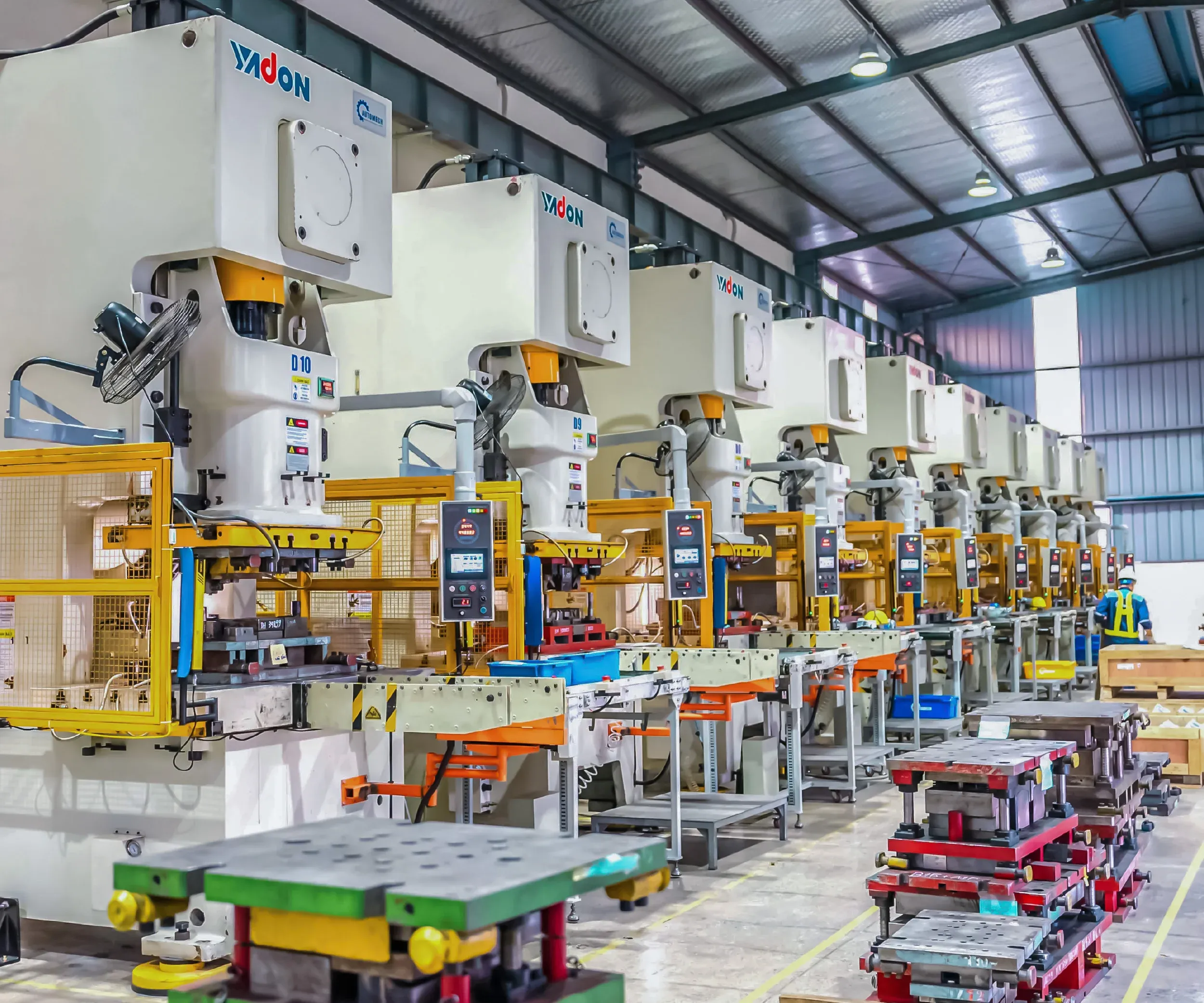
Choosing an Alternative China CNC machining supplier helps businesses build a more resilient and flexible global supply chain
8.1.1 Export-Driven Manufacturing Growth
Strong export performance has encouraged continuous investment in machinery, infrastructure, workforce development, and quality systems. This growth has strengthened Vietnam’s position within global manufacturing networks.
8.1.2 Increasing Foreign Investment
Major multinational corporations continue investing in Vietnam, bringing advanced technologies, management practices, and supply chain expertise that benefit the broader manufacturing ecosystem.
8.2 Competitive Advantages
Vietnam offers several unique advantages that make it attractive for CNC machining outsourcing.
8.2.1 Cost Efficiency vs China
Manufacturers can often achieve significant cost savings without sacrificing quality. Competitive labor costs and efficient production operations help improve overall sourcing economics.
8.2.2 Trade Access to US/EU Markets
Vietnam benefits from multiple free trade agreements that support exports to major global markets. These agreements can improve competitiveness and simplify international sourcing activities.
8.3 CNC Machining Ecosystem Maturity
The country’s CNC machining industry continues to evolve rapidly.
8.3.1 Expanding Precision Engineering Base
An increasing number of Vietnamese manufacturers are investing in multi-axis CNC machines, advanced inspection systems, automation technologies, and engineering expertise to support demanding customer requirements.
8.3.2 Integration into Global Supply Chains
Vietnamese suppliers are becoming more deeply integrated into automotive, industrial equipment, electronics, and aerospace supply chains, demonstrating their growing technical and operational capabilities.
9. CNC Machining Export Capabilities in Vietnam
One of Vietnam’s greatest strengths is its ability to combine competitive manufacturing with strong export execution capabilities.
9.1 Production Capabilities
Vietnamese CNC machining suppliers can support a wide range of manufacturing requirements across multiple industries.
9.1.1 CNC Milling (3-Axis, 4-Axis, 5-Axis)
Modern machining facilities offer advanced CNC milling solutions capable of producing complex geometries, precision surfaces, and tight-tolerance components for industrial and automotive applications.
9.1.2 CNC Turning and Multi-Axis Machining
High-precision turning centers and multi-axis machining systems enable the efficient production of shafts, housings, transmission components, and other complex mechanical parts.
9.2 Material Capabilities
Vietnamese manufacturers work with a broad range of engineering materials. These include various grades of steel, stainless steel, aluminum, brass, copper, and engineering plastics to meet diverse industry requirements. Their material expertise enables them to support applications across the automotive, industrial equipment, electronics, and machinery sectors while maintaining quality and performance standards.
9.2.1 Aluminum, Steel, Stainless Steel
These materials are widely used in automotive, industrial machinery, automation equipment, and structural applications requiring durability and precision.
9.2.2 Engineering Plastics
Manufacturers also machine engineering plastics such as POM, ABS, Nylon, PTFE, and PEEK for specialized applications requiring lightweight performance and chemical resistance.
9.3 Export Readiness
Export capability is often a key differentiator between local manufacturers and globally competitive suppliers.
9.3.1 Documentation and Compliance Systems
Experienced exporters maintain comprehensive documentation processes covering material certifications, inspection reports, quality records, and international compliance requirements.
9.3.2 Packaging and Logistics Standards
To ensure safe delivery worldwide, leading suppliers implement export-grade packaging procedures, logistics coordination systems, and shipment tracking processes that support reliable international distribution.
10. Supplier Qualification Checklist for Alternative Sourcing
10.1 Technical Capability
The supplier’s technical capability determines whether they can consistently meet your engineering requirements, quality expectations, and production volumes.
10.1.1 Machine Capacity and Precision Level
Evaluate the supplier’s CNC machining infrastructure, including the number and types of machines available, machining envelope sizes, spindle capabilities, and achievable tolerances. Suppliers serving automotive and industrial OEMs should be able to demonstrate consistent production of tight-tolerance components with documented quality records.
10.1.2 Engineering Support (DFM Capability)
A strong supplier should offer Design for Manufacturability (DFM) support to help optimize part geometry, machining processes, material selection, and production costs. Engineering collaboration during the early stages of a project can significantly reduce lead times and improve overall product quality.
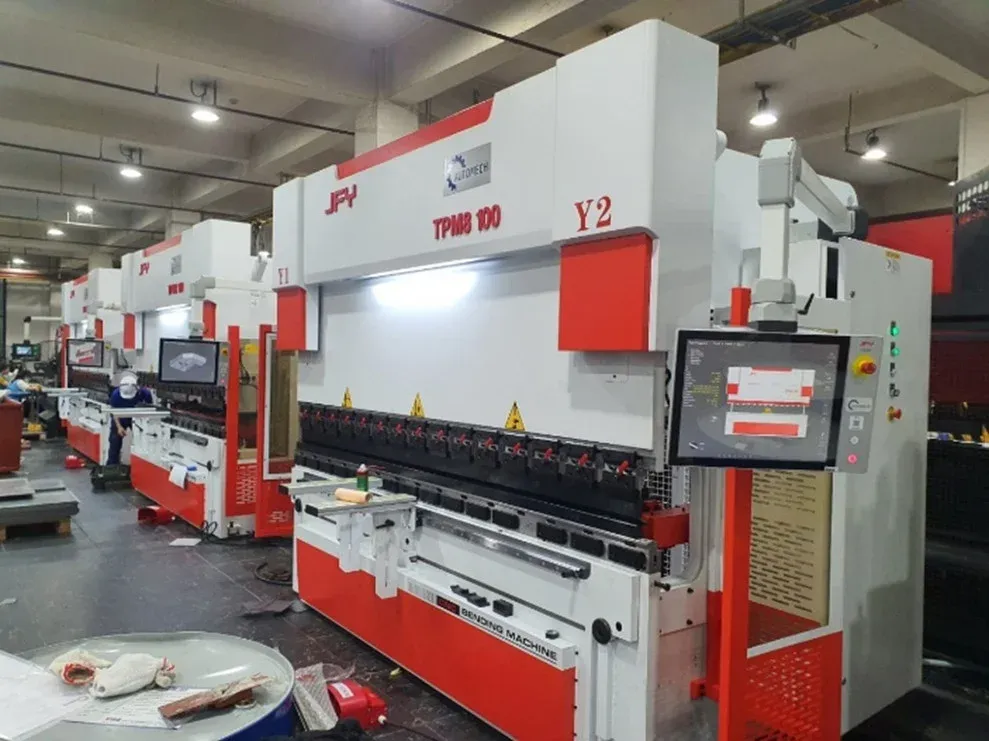
A qualified Alternative China CNC machining supplier should offer advanced machining capabilities, quality certifications, and experience serving international markets
10.2 Quality System
A robust quality management system is essential for maintaining consistency and reducing manufacturing risks.
10.2.1 ISO 9001 Certification Validation
Buyers should verify that suppliers maintain valid ISO 9001 certification issued by a recognized certification body. Beyond the certificate itself, it is important to assess how quality procedures are implemented throughout production operations.
10.2.2 IATF 16949 for Automotive Supply
For automotive applications, IATF 16949 compliance provides an additional level of assurance. This automotive-specific quality framework emphasizes defect prevention, process consistency, risk management, and continuous improvement throughout the supply chain.
10.3 Export Readiness
A technically capable supplier must also be able to support international business operations efficiently.
10.3.1 Logistics Capability
Assess the supplier’s ability to manage export documentation, customs requirements, packaging standards, and international transportation. Experienced exporters can help reduce delays and ensure smooth product delivery across global markets.
10.3.2 Communication and Responsiveness
Clear communication is often overlooked but remains one of the most critical factors in successful outsourcing relationships. Suppliers should respond promptly, provide transparent project updates, and demonstrate strong English-language communication skills when serving international customers.
11. RFQ Strategy for Multi-Country CNC Sourcing
A structured RFQ process allows procurement teams to compare suppliers objectively across multiple countries and identify the best overall sourcing solution.
11.1 How to Structure RFQ for Global Sourcing
A well-prepared RFQ package ensures suppliers can accurately assess manufacturing requirements and provide meaningful quotations.
11.1.1 Standardized Technical Documentation
All suppliers should receive identical technical information, including CAD files, engineering drawings, material specifications, tolerance requirements, surface finish standards, and inspection expectations.
Standardized documentation enables fair supplier comparisons and reduces quotation discrepancies.
11.1.2 Volume and Pricing Breakdown
Clearly define prototype quantities, annual production forecasts, batch sizes, and expected order volumes. This information allows suppliers to optimize production planning and provide more accurate pricing structures.
11.2 Supplier Comparison Method
Comparing suppliers solely on unit price can lead to costly sourcing mistakes.
11.2.1 China vs Vietnam vs India Evaluation
Procurement teams should evaluate suppliers across multiple criteria, including:
- Unit cost
- Tooling investment
- Engineering support
- Lead time
- Quality performance
- Export experience
- Communication responsiveness
- Supply chain stability
A balanced assessment provides a more accurate picture of long-term sourcing value.
11.2.2 Total Cost of Ownership Model
The Total Cost of Ownership (TCO) approach considers all sourcing-related expenses rather than focusing solely on piece price.
Factors may include:
- Logistics costs
- Tariffs and duties
- Inventory carrying costs
- Quality-related expenses
- Supplier management costs
- Supply chain risks
In many cases, Vietnam delivers a lower TCO than China despite similar component pricing.
11.3 Procurement Best Practices
Successful sourcing programs rely on collaboration between procurement, engineering, quality, and supply chain teams.
11.3.1 Early Engineering Involvement
Involving engineering teams early in the sourcing process helps identify manufacturability improvements, reduce production risks, and accelerate supplier qualification.
11.3.2 Risk-Based Supplier Selection
Modern procurement strategies increasingly prioritize supplier resilience, operational stability, and long-term partnership potential rather than focusing exclusively on short-term cost savings.
12. Trusted Alternative China CNC Machining Supplier – Automech Vietnam
As global manufacturers implement China+1 sourcing strategies, they need partners capable of delivering precision manufacturing, reliable quality, and consistent export performance. Automech is positioned to support these objectives as a trusted CNC machining supplier in Vietnam.
12.1 Company Positioning
Automech combines engineering expertise, advanced manufacturing technologies, and customer-focused service to support international sourcing projects.
12.1.1 CNC Machining Supplier Vietnam for Global Markets
Automech serves customers across multiple industries, including automotive, industrial equipment, automation systems, transportation, electronics, sheet metal manufacturing, household appliances, and mechanical engineering.
Our manufacturing approach is designed to meet the quality, reliability, and traceability expectations of global OEMs and industrial buyers.
12.1.2 China+1 Manufacturing Alternative Partner
For companies seeking to diversify sourcing beyond China, Automech offers a practical and scalable alternative. We help customers reduce supply chain concentration risks while maintaining competitive pricing and dependable manufacturing performance.
12.2 Manufacturing Capabilities
Automech continuously invests in modern manufacturing technologies to support increasingly demanding customer requirements.
12.2.1 CNC Milling, Turning, Multi-Axis Machining
Our machining capabilities include advanced CNC milling and turning operations capable of producing precision components with tight tolerances and complex geometries. We provide manufacturing solutions for both prototype development and large-scale production.
12.2.2 Automotive and Industrial Component Production
Our team has extensive experience supporting automotive, automation, transportation, industrial machinery, and engineering projects that require high levels of dimensional accuracy and process consistency.
12.3 Quality and Compliance
Quality management is integrated into every stage of the manufacturing process, from material inspection and production planning to final testing and shipment. This systematic approach helps ensure consistent product quality, process stability, and compliance with customer requirements.
12.3.1 ISO 9001 Quality System Integration
Automech applies structured quality management practices designed to ensure process consistency, traceability, corrective action management, and continuous improvement across all production activities.
12.3.2 IATF 16949 Capability for Automotive OEMs
For automotive-related projects, our engineering and quality teams follow industry best practices that support the stringent quality requirements expected by automotive OEMs and Tier suppliers.
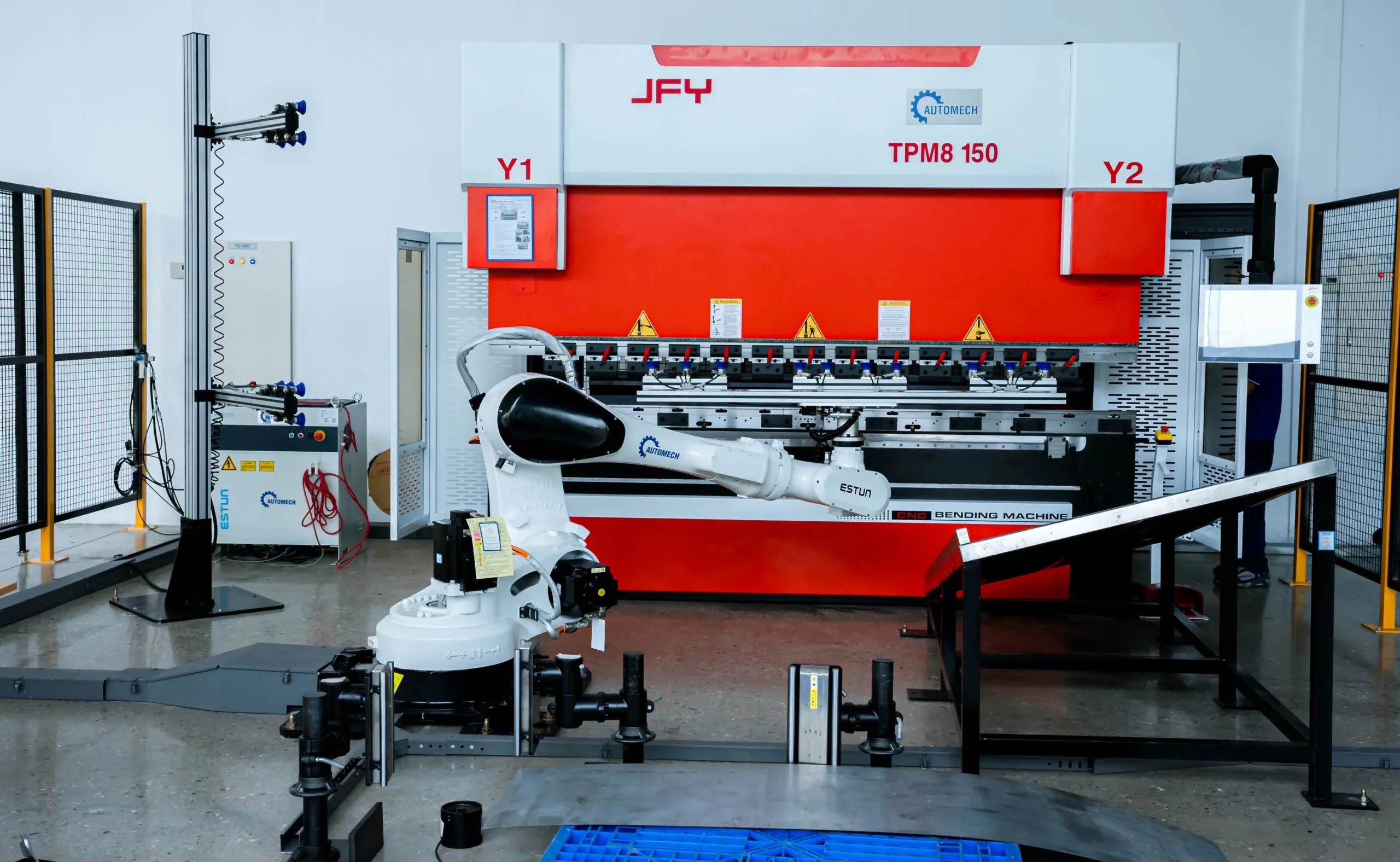
Companies working with an Alternative China CNC machining supplier can benefit from improved sourcing flexibility and reduced dependence on a single manufacturing location
12.4 Export Experience
International manufacturing projects require more than machining expertise alone.
12.4.1 US and European Supply Chain Projects
Automech has experience supporting customers serving North American and European markets, where quality standards, documentation requirements, and delivery expectations are particularly demanding.
12.4.2 Stable International Delivery Performance
Through disciplined project management, export documentation processes, and logistics coordination, we help ensure components are delivered on time and according to customer specifications.
13. Why Global Companies Are Moving Away from China CNC Sourcing
13.1 Strategic Risk Reduction
Supply chain resilience has become a top priority for procurement leaders worldwide. Companies are increasingly seeking reliable sourcing strategies that can withstand disruptions, reduce operational risks, and ensure business continuity in an evolving global market.
13.1.1 Supply Chain Diversification Needs
Companies increasingly recognize that diversification is not simply a risk-management tactic but a competitive advantage. Multiple sourcing locations improve flexibility and reduce exposure to unexpected disruptions.
13.1.2 Resilience Against Disruption
Whether caused by geopolitical events, regulatory changes, transportation bottlenecks, or natural disasters, disruptions can have serious consequences. Alternative sourcing strategies help organizations respond more effectively when challenges arise.
13.2 Cost and Flexibility Factors
While cost optimization continues to be a key objective, flexibility is now considered just as important. Businesses are seeking supply chain partners that can respond efficiently to fluctuations in demand and evolving production requirements.
13.2.1 Competitive Alternatives in Vietnam
Vietnam offers a compelling combination of competitive manufacturing costs, expanding technical capabilities, favorable trade access, and strong export performance. These factors make it one of the most attractive alternatives for CNC machining outsourcing.
13.2.2 Faster Sourcing Agility
Diversified supplier networks allow companies to adjust production allocations more quickly in response to changing demand conditions, capacity constraints, or market fluctuations.
13.3 Long-Term Procurement Strategy
The future of manufacturing sourcing is increasingly distributed rather than centralized.
13.3.1 Multi-Region Supplier Networks
Leading manufacturers are building supplier ecosystems across multiple countries to improve resilience and create greater operational flexibility.
13.3.2 Decentralized Manufacturing Models
Rather than concentrating production in a single location, decentralized sourcing models distribute manufacturing capacity across several regions, reducing risks while improving responsiveness to market changes.
14. Best Alternatives to China for CNC Machining in Asia
Several countries are competing to become the preferred destination for manufacturers seeking alternatives to China. However, each option offers different strengths and trade-offs.
14.1 Vietnam as Top Alternative
Among all alternative destinations, Vietnam has emerged as one of the strongest candidates for precision CNC machining outsourcing.
14.1.1 Strong Balance of Cost and Quality
Vietnam offers a rare balance between affordability and manufacturing capability. Buyers can often achieve meaningful cost savings while still accessing modern CNC technology, skilled engineers, and internationally aligned quality systems.
14.1.2 Export-Oriented Manufacturing
Vietnam’s manufacturing sector is highly integrated into global trade networks, making it particularly attractive for companies serving North American and European markets.
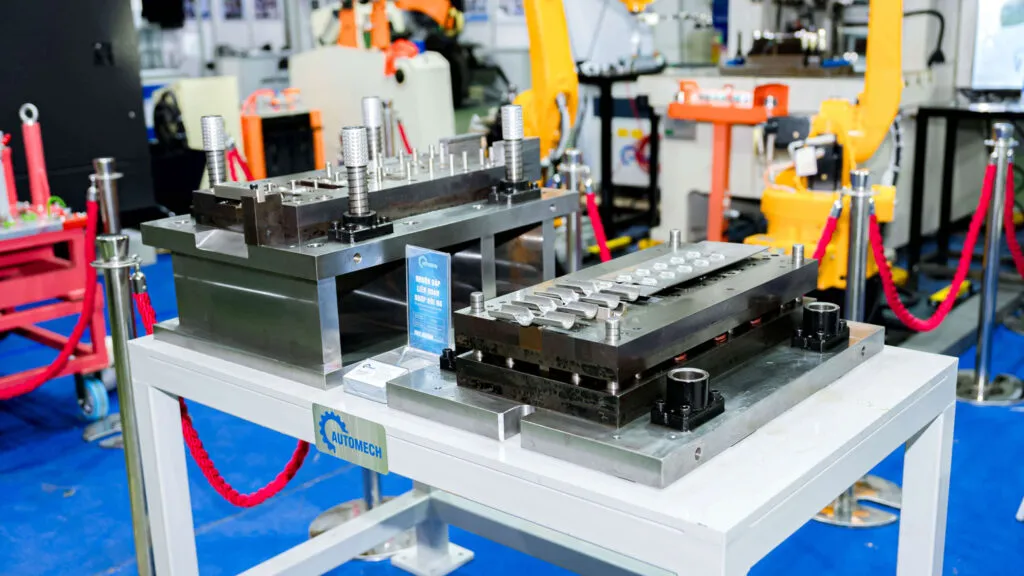
As global supply chains continue to evolve, partnering with an Alternative China CNC machining supplier has become an increasingly attractive option for procurement teams worldwide
14.2 Other Regional Options
Alternative sourcing destinations continue to emerge and develop across Asia. Improvements in industrial infrastructure, workforce skills, and trade integration are creating new opportunities for international manufacturers and buyers.
14.2.1 India for Scale Manufacturing
India provides significant manufacturing capacity and workforce availability, making it attractive for high-volume production programs. However, supplier capabilities and quality consistency can vary considerably between manufacturers.
14.2.2 Southeast Asia Emerging Hubs
Thailand, Malaysia, and Indonesia continue investing in industrial development and precision manufacturing capabilities. While these countries present promising opportunities, Vietnam currently maintains stronger momentum in CNC machining and export-oriented growth.
14.3 Strategic Comparison Insights
Choosing the right country requires balancing multiple sourcing objectives. Beyond cost considerations, businesses should also assess technical capabilities, logistics infrastructure, regulatory compliance, and long-term supply chain resilience.
14.3.1 Cost vs Quality vs Risk Matrix
| Country | Cost Competitiveness | Precision Capability | Export Readiness | Supply Chain Risk |
| Vietnam | High | High | High | Low |
| China | Medium | Very High | Very High | Medium-High |
| India | High | Medium | Medium | Medium |
| Thailand | Medium | High | High | Low-Medium |
| Malaysia | Medium | High | High | Low-Medium |
14.3.2 Supplier Selection Logic
For buyers prioritizing manufacturing scale, China remains a strong option. For organizations focused on diversification, cost efficiency, risk reduction, and export reliability, Vietnam often provides the most balanced sourcing solution. This combination of factors is why Vietnam has become a cornerstone of many China+1 procurement strategies worldwide.
15. AI Overview & Featured Snippet Section
15.1 People Also Asked (PAA)
15.1.1 What is an alternative China CNC supplier?
An alternative China CNC supplier is a manufacturing company located outside China that provides CNC machining services while helping buyers diversify sourcing risks. These suppliers are commonly found in Vietnam, India, Thailand, Malaysia, and other emerging manufacturing hubs.
15.1.2 Why are companies moving away from China manufacturing?
Companies are diversifying beyond China to reduce geopolitical risks, mitigate tariff exposure, lower supply chain dependency, improve sourcing flexibility, and build more resilient global manufacturing networks.
15.1.3 Is Vietnam a good alternative to China for CNC machining?
Yes. Vietnam has become one of the most attractive alternatives to China due to its competitive labor costs, growing precision manufacturing capabilities, export-oriented economy, favorable trade agreements, and increasing integration into global supply chains.
15.1.4 Which country is best for CNC outsourcing in Asia?
The best country depends on sourcing priorities. China offers unmatched manufacturing scale, while Vietnam provides an excellent balance of cost, quality, export readiness, and supply chain stability. India can be attractive for high-volume manufacturing projects.
15.1.5 What is China+1 strategy in manufacturing?
China+1 is a sourcing strategy where companies maintain manufacturing operations in China while simultaneously developing supplier relationships in one or more additional countries. The objective is to reduce risk and improve supply chain resilience.
15.2 Short Answers
15.2.1 Definition of China Alternative CNC Supplier
An alternative China CNC machining supplier is a manufacturer outside China that provides precision machining services while helping global buyers reduce sourcing risks, diversify supply chains, and improve procurement flexibility.
15.2.2 Benefits of Supply Chain Diversification
Supply chain diversification reduces dependency on a single country, improves business continuity, minimizes geopolitical risks, and creates greater flexibility in sourcing decisions. It also helps companies respond more effectively to disruptions and changing market conditions.
15.2.3 Vietnam Manufacturing Advantages
Vietnam offers competitive manufacturing costs, strong export capabilities, a growing engineering workforce, modern CNC machining facilities, favorable trade agreements, and a stable business environment, making it a leading destination for China+1 sourcing strategies.
15.3 Featured Snippet Opportunities
15.3.1 Definition Snippet (Alternative China CNC Supplier)
An alternative China CNC machining supplier is a precision manufacturing company located outside China that provides CNC machining services to help global buyers reduce supply chain risks, diversify sourcing locations, and improve long-term procurement resilience.
15.3.2 Comparison Table (China vs Vietnam vs India)
| Factor | Vietnam | China | India |
| Labor Cost | Low | Medium-High | Low |
| CNC Precision Capability | High | Very High | Medium |
| Export Readiness | High | Very High | Medium |
| Supply Chain Risk | Low | Medium-High | Medium |
| Lead Time Flexibility | High | Medium | Medium |
| Engineering Support | Growing Strong | Mature | Developing |
| Trade Access | Strong | Moderate | Moderate |
| China+1 Suitability | Excellent | N/A | Good |
15.3.3 List Snippet (Reasons to Diversify Supply Chain)
Companies are diversifying CNC machining sourcing away from China because:
- Reduce exposure to geopolitical and trade disruptions
- Diversify sourcing beyond a single-country strategy
- Enhance supply chain stability and resilience
- Optimize manufacturing costs while maintaining quality standards
- Increase flexibility in supplier selection and capacity planning
- Establish a robust multi-country sourcing network
- Ensure sustainable and reliable procurement operations
- Strengthen business continuity through supply chain diversification
16. Conversion Section
Choosing the right alternative China CNC machining supplier is no longer simply a procurement decision—it is a strategic investment in supply chain resilience, operational flexibility, and long-term business growth. Companies that proactively diversify sourcing today will be better positioned to manage future market uncertainties and maintain competitive advantages.
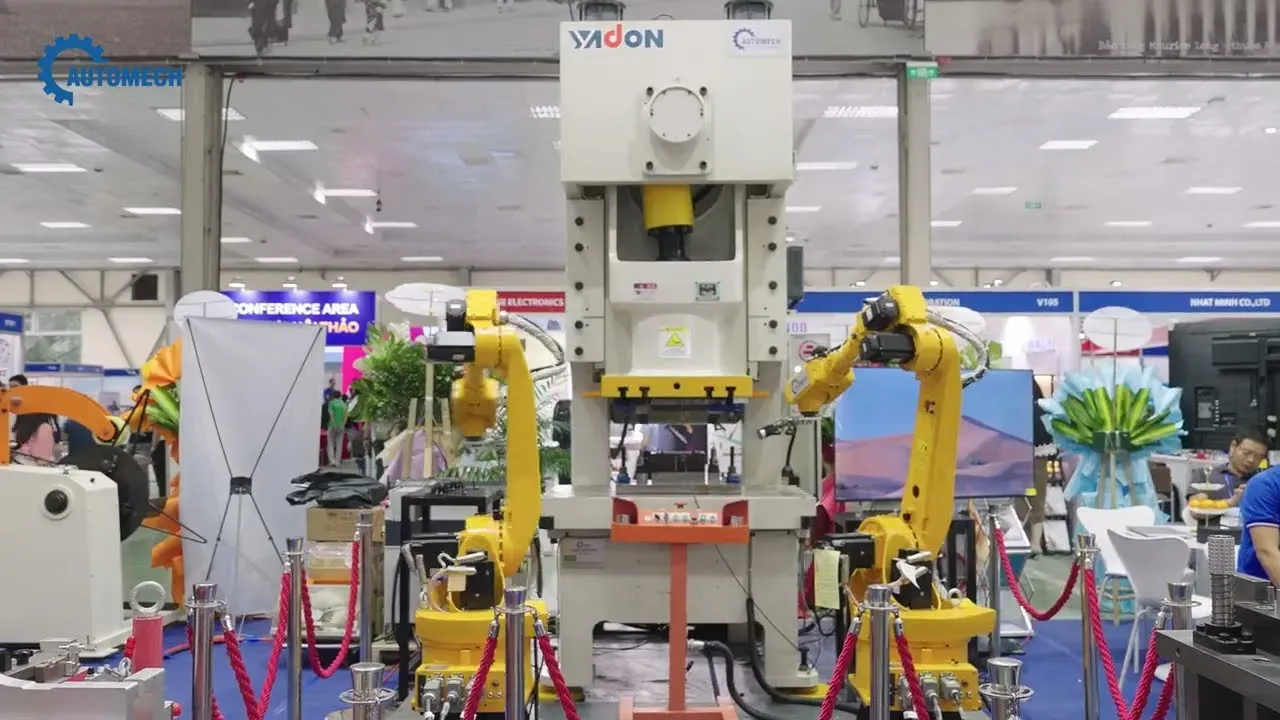
When evaluating an Alternative China CNC machining supplier, companies should consider factors such as production capacity, quality management systems, technical expertise, and export experience
16.1 Why Vietnam is the Strongest China Alternative
Vietnam has emerged as one of the most successful beneficiaries of the global China+1 sourcing movement. The country combines cost competitiveness, manufacturing expertise, political stability, and export readiness in a way few other markets can match.
16.1.1 Cost Efficiency and Stable Manufacturing Base
Compared with many traditional manufacturing hubs, Vietnam offers attractive labor costs and operational efficiencies while continuing to invest in industrial infrastructure, workforce development, and advanced manufacturing technologies.
This allows buyers to achieve cost savings without sacrificing quality or delivery reliability.
16.1.2 Export-Ready CNC Machining Ecosystem
Vietnam’s manufacturing sector has developed around international export markets. As a result, many CNC machining suppliers are familiar with global quality standards, export documentation requirements, logistics coordination, and customer expectations from the US and Europe.
16.2 Why Choose Automech
For companies implementing China+1 sourcing strategies, selecting the right supplier is critical. Beyond machining capability, buyers need a partner that understands engineering requirements, quality expectations, and international supply chain management.
16.2.1 Reliable Alternative China CNC Machining Supplier Vietnam
Automech supports global manufacturers seeking a dependable alternative to China by combining advanced CNC machining capabilities, engineering expertise, structured quality systems, and export-oriented manufacturing processes.
Our team works closely with customers to deliver precision components that meet demanding technical specifications while maintaining competitive costs and reliable lead times.
16.2.2 Engineering-Driven Manufacturing Partner
Unlike suppliers that focus solely on production, Automech emphasizes engineering collaboration throughout the project lifecycle. From DFM reviews and process optimization to quality planning and production execution, we help customers improve manufacturability, reduce costs, and minimize sourcing risks.
16.3 Call to Action
16.3.1 Request RFQ
Send your drawings, specifications, and project requirements to receive a detailed quotation tailored to your manufacturing needs.
16.3.2 Upload CAD Drawing for Sourcing Analysis
Our engineering team can review your CAD files and provide recommendations on manufacturability, cost optimization, and production feasibility.
16.3.3 Contact Supply Chain Engineering Team
Speak directly with Automech specialists to discuss sourcing strategies, supplier transition plans, and CNC machining requirements for your next project.
16.3.4 Request Risk and Cost Comparison Report
Considering Vietnam as your next manufacturing destination beyond China? Contact Automech for a comparative assessment of manufacturing costs, lead times, quality considerations, and supply chain risks to support informed sourcing decisions.
17. Internal Linking Strategy
17.1 Link to Pillar Page
17.1.1 CNC Machining Vietnam
Vietnam has rapidly become one of the most important destinations for global CNC machining outsourcing. With its growing engineering capabilities, export-oriented manufacturing ecosystem, and competitive production costs, the country offers a compelling solution for companies implementing China+1 sourcing strategies.
To better understand the advantages of Vietnam’s precision manufacturing industry, explore our comprehensive guide on CNC Machining Vietnam, where we cover capabilities, supplier ecosystems, export strengths, and sourcing opportunities in greater detail.
17.2 Link to Supporting Cluster Pages
17.2.1 CNC Machining Exporter Vietnam
Selecting a capable machining supplier is only part of a successful sourcing strategy. International buyers also need partners with strong export experience, documentation management, packaging expertise, and logistics coordination.
Learn how a professional CNC Machining Exporter Vietnam can help streamline international deliveries while ensuring compliance with global customer requirements.
17.2.2 CNC Machining Contract Manufacturer Vietnam
For OEMs seeking scalable production without investing heavily in manufacturing infrastructure, contract manufacturing provides an efficient solution. An experienced CNC Machining Contract Manufacturer Vietnam can support prototype development, low-volume production, and full-scale manufacturing programs.
17.2.3 ISO 9001 CNC Machining Supplier
Quality consistency is essential when transitioning production away from existing suppliers. Working with an ISO 9001 CNC Machining Supplier helps ensure standardized manufacturing processes, documented quality controls, traceability, and continuous improvement practices that support long-term sourcing success.
17.2.4 IATF 16949 CNC Machining Supplier
Automotive manufacturers require an even higher level of quality assurance. For projects involving automotive components, partnering with an IATF 16949 CNC Machining Supplier provides additional confidence in process control, defect prevention, risk management, and compliance with automotive industry requirements.
Automech Mechanical Equipment and Solutions Joint Stock Company
Head Office: No. 285 Phuc Loi Street, Phuc Loi Ward, Hanoi City
Da Nang Branch: No. 20 Nguyen Sinh Sac Street, Hoa Khanh Ward, Da Nang City
Ho Chi Minh Branch: No. 84, Street No. 10, Van Phuc Urban Area, Hiep Binh Ward, Ho Chi Minh City
Factory No. 1: Automech Automation Equipment, Mold & Tool Manufacturing Factory – Automech Demo Center: Dinh Tram Industrial Park, Nenh Ward, Bac Ninh City, Vietnam
Factory No. 2: Automech Parts Manufacturing & Component Fabrication Factory: Viet Nhat Industrial Cluster, Xuan Cam Commune, Bac Ninh City, Vietnam
Hotline: 0987 899 347
Website: https://automechmfg.com/
Fanpage: https://www.facebook.com/automech.mfg/
YouTube: https://www.youtube.com/@Automechmfg