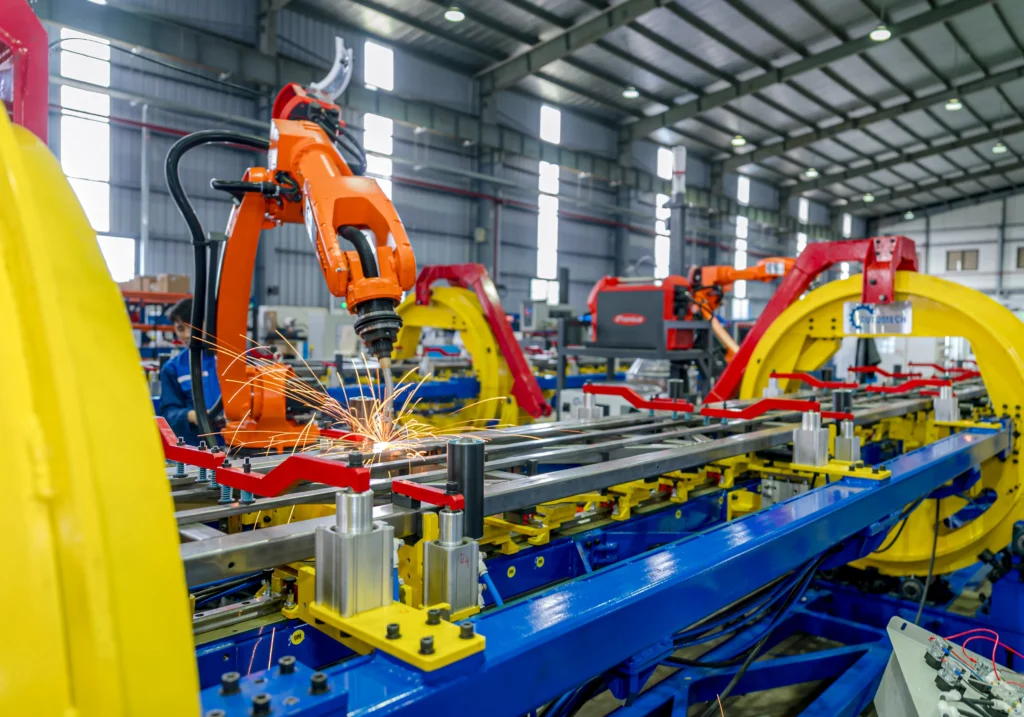
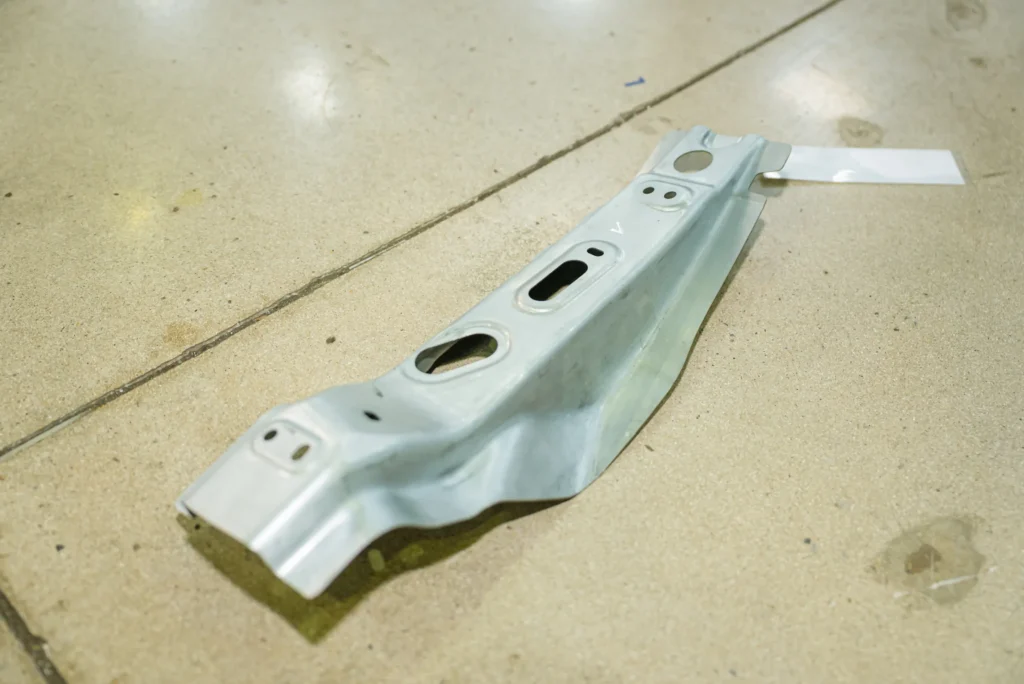
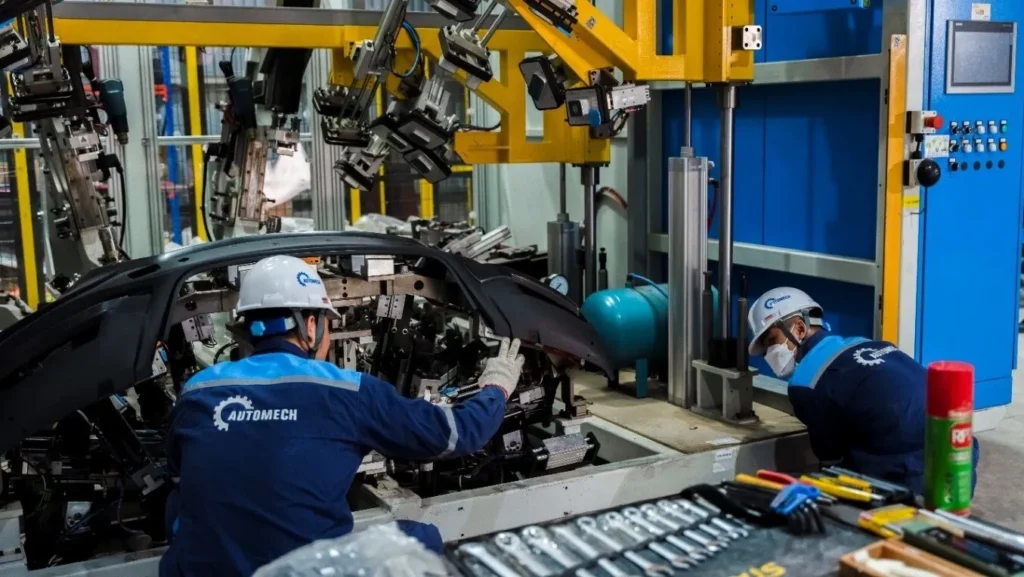
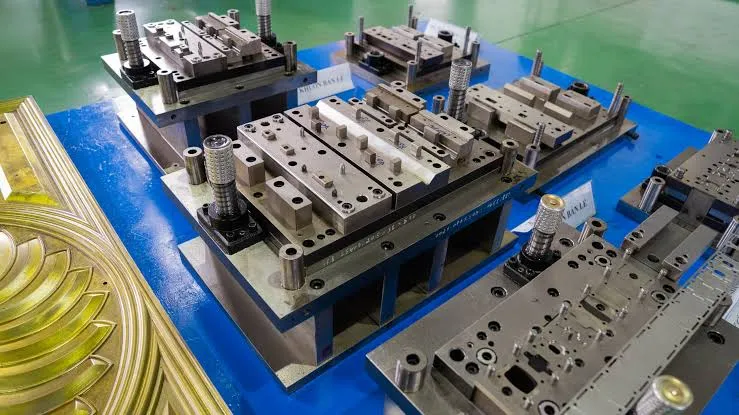
CNC milling RFQ is the first step for buyers who need accurate pricing, reliable lead time, and proper engineering review for precision machined parts. A complete RFQ helps suppliers understand the part geometry, material, tolerance, surface finish, quantity, and inspection requirements before quotation. For OEM buyers, this process is not only about getting a price, but also about evaluating supplier capability, quality control, and production readiness.
1. CNC Milling RFQ: Overview for OEM Buyers
1.1 What is a CNC milling RFQ?
1.1.1 Definition of Request for Quotation in CNC milling
A CNC milling RFQ, or Request for Quotation, is a formal inquiry sent by a buyer to a machining supplier for pricing and production evaluation. It usually includes CAD files, engineering drawings, material requirements, tolerances, quantity, and delivery expectations. The supplier reviews these details to estimate machining cost, lead time, and manufacturing feasibility.
1.1.2 Role of RFQ in supplier evaluation and cost estimation
The RFQ process allows buyers to compare suppliers based on technical capability, pricing, quality systems, and communication efficiency. For CNC milling projects, suppliers must evaluate machining complexity, material cost, setup time, inspection requirements, and production volume before providing a quotation. A well-prepared RFQ reduces guesswork and improves quotation accuracy.
1.2 Why CNC milling RFQs matter in manufacturing procurement
1.2.1 Aligning engineering requirements with supplier capability
A CNC milling RFQ helps confirm whether a supplier has the right equipment, experience, and quality systems for the project. Engineering drawings may include tight tolerances, complex geometries, special materials, or inspection requirements that not every supplier can handle. Through the RFQ process, buyers can evaluate whether the supplier understands the technical requirements before production begins.
1.2.2 Reducing quotation errors, delays, and production risks
Incomplete RFQ information often leads to inaccurate pricing, repeated clarification, and delayed quotations. Missing tolerances, unclear material grades, or incomplete drawings can create misunderstandings during production. A complete CNC milling RFQ helps suppliers provide realistic pricing and lead time from the start.
2. When Should Buyers Submit a CNC Milling RFQ?
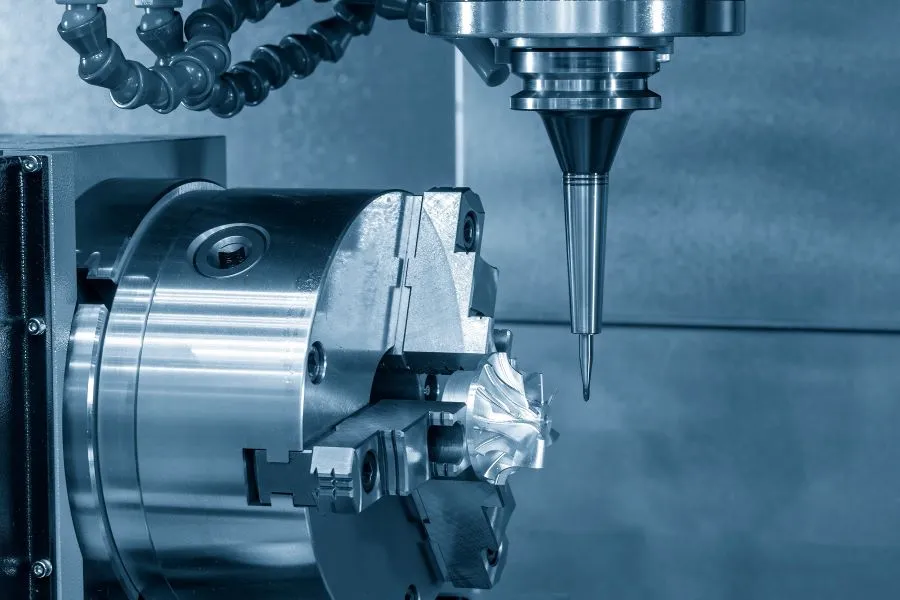
Submitting a CNC Milling RFQ with complete technical information helps suppliers provide accurate quotations and lead times
2.1 Prototype stage RFQ
2.1.1 Design validation and functional testing
Buyers should submit a CNC milling RFQ during the prototype stage when they need machined samples for design validation. Prototype parts help engineers test fit, function, assembly performance, and material suitability before production. CNC milling is ideal for this stage because it can produce accurate components without expensive tooling.
2.1.2 Low-volume machining requirements
Prototype RFQs often involve small quantities, urgent lead times, and flexible design changes. Buyers may request one-off parts, engineering samples, or pilot batches to evaluate a new product. Since setup and programming costs are spread across fewer parts, prototype pricing is usually higher per unit.
2.2 Production stage RFQ
2.2.1 Mass production planning
A production-stage RFQ is submitted when the buyer is ready to plan stable manufacturing for larger quantities. At this stage, suppliers evaluate cycle time, fixture requirements, tooling strategy, inspection plans, and capacity availability. The quotation should reflect not only unit price but also production stability and long-term delivery capability.
2.2.2 Long-term OEM supply requirements
For long-term OEM supply, the RFQ should include annual volume, batch size, delivery schedule, quality documentation, and packaging requirements. Suppliers need this information to plan machine capacity, material sourcing, and production workflow. A clear RFQ helps build a reliable supply agreement and reduces future production uncertainty. It also allows buyers to evaluate whether the supplier can support repeat orders consistently.
2.3 Supplier comparison RFQ
2.3.1 Cost benchmarking across suppliers
Buyers often send RFQs to multiple suppliers to compare machining costs and technical responses. However, price should not be the only selection factor. A lower quotation may not include inspection reports, export packaging, material certification, or tight tolerance capability. Comparing RFQs properly requires reviewing both commercial and engineering details.
2.3.2 Evaluating Vietnam CNC machining partners
Vietnam has become an attractive sourcing destination for CNC machining due to competitive manufacturing costs and growing precision machining capability. A supplier comparison RFQ helps buyers evaluate Vietnamese partners based on engineering support, CNC equipment, quality control, and export readiness. This approach is especially useful for companies looking to diversify their supply chain beyond China. It helps buyers select a reliable partner for long-term production.
3. Key Information Required for a CNC Milling RFQ
3.1 Technical drawings and specifications
3.1.1 2D drawings with dimensions and tolerances
A complete CNC milling RFQ should include 2D technical drawings that clearly show dimensions, tolerances, threads, surface finish, and inspection notes. These drawings define the exact requirements that suppliers must follow during quotation and production. Without clear drawings, it is difficult to estimate machining cost accurately. Detailed drawings also reduce the risk of misunderstanding during manufacturing.
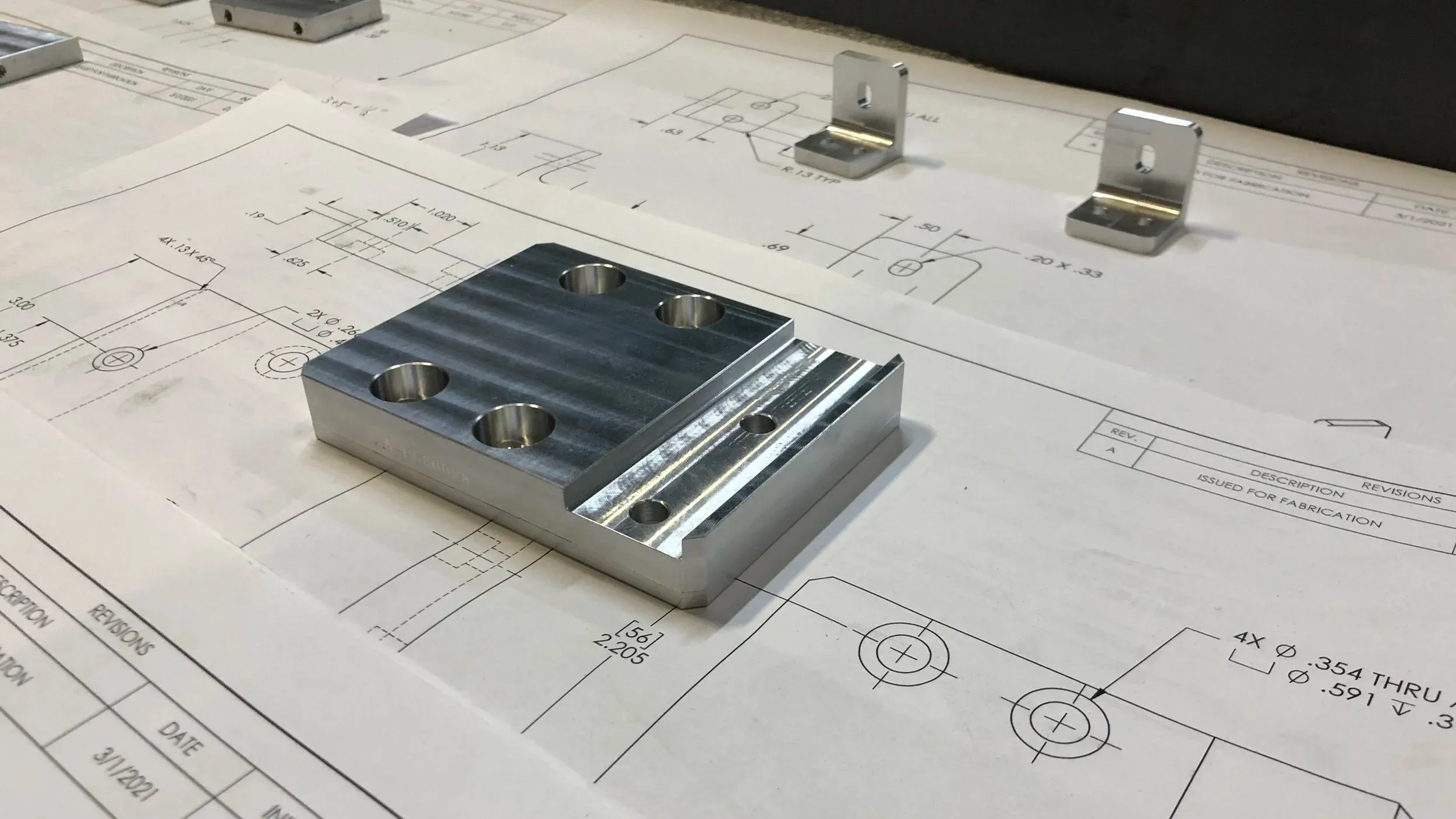
Before submitting a CNC Milling RFQ, verify that all technical drawings and specifications are complete and up to date
3.1.2 3D CAD models for geometry review
3D CAD models help suppliers understand the part geometry and prepare machining strategies more efficiently. Common file formats such as STEP or IGES allow engineers to review complex surfaces, pockets, holes, and assembly features. CAD models also support CAM programming and manufacturability analysis. When both 2D drawings and 3D models are provided, quotation accuracy improves significantly.
3.2 Material requirements
3.2.1 Aluminum, steel, stainless steel, brass, engineering plastics
Material selection has a major impact on CNC milling cost, machining time, tool wear, and final part performance. Common materials include aluminum, carbon steel, stainless steel, brass, copper, and engineering plastics such as POM, Nylon, PTFE, and PEEK. Buyers should specify the required material clearly in the RFQ. If the material is flexible, suppliers may suggest alternatives for better cost-performance balance.
3.2.2 Material grade and certification requirements
In addition to material type, buyers should define the exact grade, standard, hardness, heat treatment, or certification requirements. For automotive and OEM projects, material certificates may be required for traceability and quality assurance. Missing material grade information can lead to inaccurate quotations or production delays. Clear material specifications help suppliers source the correct raw material from the beginning.
3.3 Quantity and production volume
3.3.1 Prototype quantity
Prototype quantity should be clearly stated because it directly affects setup cost and unit price. Small quantities usually require more engineering time per part due to programming, setup, and inspection requirements. Buyers should also mention whether the prototype will be used for testing, assembly validation, or design review. This helps suppliers recommend suitable machining and inspection approaches.
3.3.2 Batch and mass production volume
For batch or mass production, buyers should provide estimated order quantity, annual volume, and delivery schedule if available. Production volume affects fixture design, tooling strategy, pricing, lead time, and quality planning. Higher volumes may justify dedicated fixtures and optimized machining processes. Clear volume information allows suppliers to prepare more competitive and realistic quotations.
4. CAD File Requirements for CNC Milling Quotation
4.1 Accepted CAD Formats
4.1.1 STEP and IGES files for 3D models
STEP (.stp/.step) and IGES (.igs/.iges) are the most widely accepted file formats for CNC milling quotations. These neutral CAD formats preserve accurate 3D geometry and can be opened by most CAD/CAM software. They allow engineers to evaluate machining feasibility, generate toolpaths, and estimate production costs efficiently.
4.1.2 DWG and PDF files for 2D drawings
Along with 3D models, buyers should provide 2D engineering drawings in DWG or PDF format. These drawings contain dimensions, tolerances, threads, GD&T symbols, and manufacturing notes that may not be fully represented in the CAD model. Clear 2D documentation reduces engineering clarification and supports accurate production planning.
4.2 Drawing Clarity Requirements

A detailed CNC Milling RFQ should include drawings, material specifications, tolerances, and quantity requirements
4.2.1 Critical dimensions and tolerance callouts
Engineering drawings should clearly identify all critical dimensions and tolerance requirements. Important functional features such as hole locations, bearing seats, sealing surfaces, and assembly interfaces should be fully dimensioned. Missing or ambiguous dimensions may result in quotation delays or incorrect manufacturing assumptions.
4.2.2 Surface finish and inspection notes
Surface finish specifications, coating requirements, deburring instructions, and inspection notes should be included on the drawing. If CMM reports, First Article Inspection (FAI), or PPAP documentation are required, they should also be specified during the RFQ stage.
4.3 Common CAD File Issues
4.3.1 Missing dimensions
One of the most common RFQ problems is incomplete engineering drawings with missing dimensions or undefined machining features. Suppliers may need to request clarification before preparing a quotation, increasing response time. Complete drawings enable faster engineering review and more accurate pricing.
4.3.2 Conflicting tolerance requirements
Conflicting or inconsistent tolerance specifications can create uncertainty during quotation and production. For example, a general tolerance note may contradict a tighter tolerance specified for an individual feature. These inconsistencies require engineering clarification before machining begins.
5. Engineering Drawing Review for CNC Milling RFQ
5.1 Reading Engineering Drawings
5.1.1 Dimensional requirements
Engineering drawings define the exact size, location, and relationship of every machined feature. Suppliers review these dimensions to determine machining operations, tooling requirements, and inspection methods. Accurate dimensional interpretation is essential for preparing realistic quotations and manufacturing plans.
5.1.2 Machining symbols and notes
Engineering drawings often contain machining symbols, thread specifications, chamfers, radii, surface finish requirements, and special manufacturing notes. These details influence machining strategy, inspection procedures, and production cost. Suppliers carefully review all drawing annotations before preparing a quotation.
5.2 GD&T Considerations
5.2.1 Position, flatness, parallelism, perpendicularity
Many precision machined components use Geometric Dimensioning and Tolerancing (GD&T) to define critical geometric relationships. Position, flatness, parallelism, and perpendicularity directly influence assembly quality and product performance.
5.2.2 Datum structure and inspection reference
Datums establish the reference system used for machining and inspection. A clear datum structure allows suppliers to develop accurate fixture designs and inspection strategies. Properly defined datums also improve measurement repeatability and reduce dimensional variation during production.
5.3 Critical-to-Quality Features
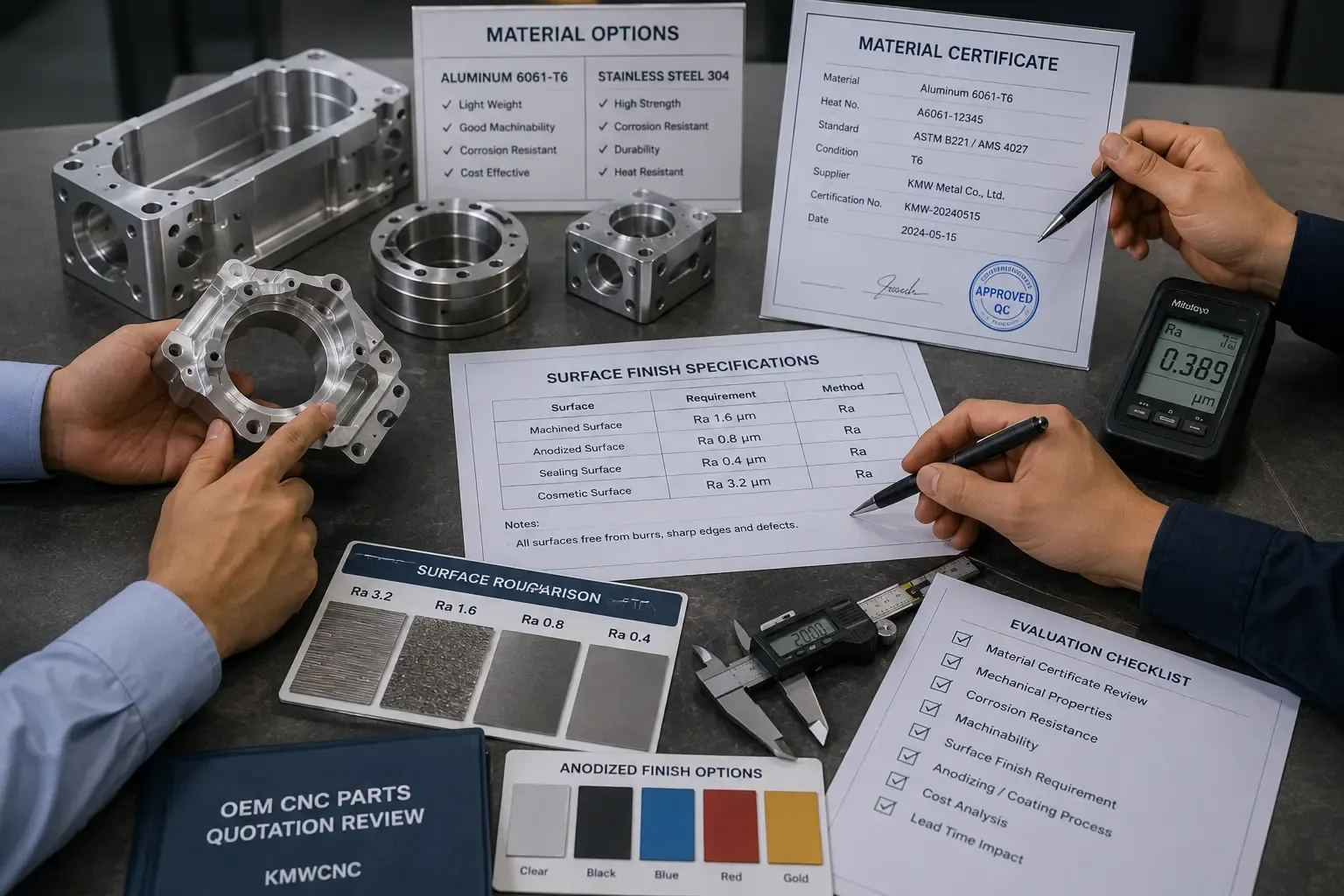
A comprehensive CNC Milling RFQ allows suppliers to evaluate manufacturing feasibility and optimize production costs
5.3.1 Functional surfaces
Critical-to-quality (CTQ) features include surfaces that directly affect product function, sealing performance, load transfer, or mechanical operation. These surfaces often require tighter tolerances and improved surface finishes than non-critical areas.
5.3.2 Mating and assembly interfaces
Mating surfaces and assembly interfaces require precise dimensional relationships to ensure proper product assembly. Poor machining accuracy in these areas can cause fit issues, increased wear, or assembly delays.
6. CNC Milling Tolerance Requirements
6.1 Standard CNC Milling Tolerances
6.1.1 General machining tolerances
General machining tolerances are suitable for components that do not require extremely high precision. These tolerances support efficient production while maintaining reliable product quality for many industrial applications. Standard tolerances also help reduce machining cost and inspection time.
6.1.2 Tight tolerance requirements
Some CNC milled components require significantly tighter tolerances due to assembly, sealing, or performance requirements. Tight tolerances demand more precise machining equipment, optimized cutting parameters, stable fixtures, and comprehensive inspection.
6.2 High Precision CNC Milling for Automotive
6.2.1 Precision requirements for OEM parts
Automotive OEM components often require exceptional dimensional consistency to ensure reliable assembly across large production volumes. Features such as bearing seats, gearbox interfaces, battery housings, and structural components frequently require tight machining tolerances.
6.2.2 Process control for repeatability
Achieving tight tolerances requires more than accurate machinery alone. Stable process control, calibrated equipment, optimized tooling, and regular in-process inspection all contribute to repeatable manufacturing performance.
6.3 Tolerance Impact on Cost
6.3.1 Machine time and inspection complexity
Tighter tolerances generally require slower cutting speeds, additional machining operations, and more frequent dimensional inspection. These factors increase both machining time and quality control effort.
6.3.2 Scrap risk and process stability
As tolerance requirements become tighter, the risk of dimensional deviation and part rejection also increases. Manufacturers often implement additional process monitoring and inspection to maintain production stability.
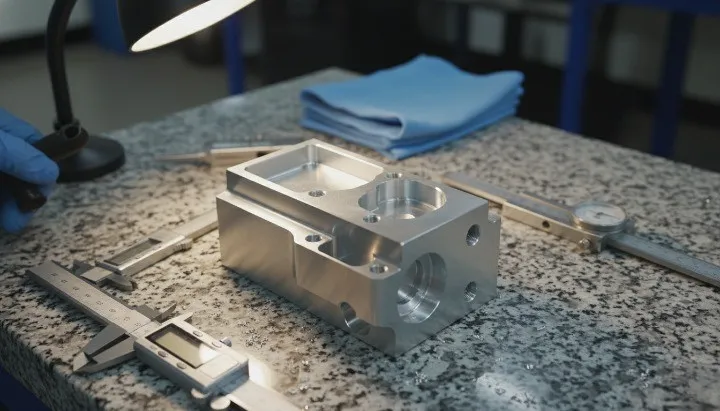
Including 3D CAD files with your CNC Milling RFQ can improve quotation accuracy and reduce engineering review time
7. Surface Finish and Post-Processing Requirements
7.1 Common Surface Finishing Options
7.1.1 Anodizing, plating, polishing, passivation
Many CNC milled components require secondary surface treatments to improve corrosion resistance, appearance, wear resistance, or electrical performance. Common finishing options include anodizing for aluminum, electroplating, polishing, and passivation for stainless steel.
7.1.2 Deburring and edge finishing
Deburring removes sharp edges and machining burrs that may affect assembly or product safety. Edge finishing also improves product appearance and handling quality. Depending on customer requirements, deburring may be performed manually, mechanically, or through automated finishing processes.
7.2 Surface Roughness Requirements
7.2.1 Ra values and functional surfaces
Surface roughness is commonly specified using Ra values on engineering drawings. Functional surfaces such as sealing faces, bearing seats, and sliding interfaces often require controlled roughness to ensure proper performance. Suppliers evaluate these requirements during quotation because they directly influence machining parameters and inspection methods.
7.2.2 Cosmetic vs engineering surface requirements
Not all machined surfaces require the same finish quality. Cosmetic surfaces prioritize visual appearance, while engineering surfaces focus on mechanical performance and assembly function. Clearly distinguishing these requirements helps suppliers optimize machining processes and avoid unnecessary manufacturing costs.
7.3 Heat Treatment Requirements
7.3.1 Hardening and stress relief
Certain CNC milled components require heat treatment after machining to improve mechanical properties. Processes such as hardening, tempering, or stress relieving enhance strength, wear resistance, and dimensional stability depending on the application.
7.3.2 Impact on dimensional stability
Heat treatment can cause slight dimensional changes due to thermal expansion and material transformation. Manufacturers often allow for these changes during machining or perform finish machining after heat treatment.
8. Cost Factors in CNC Milling RFQ
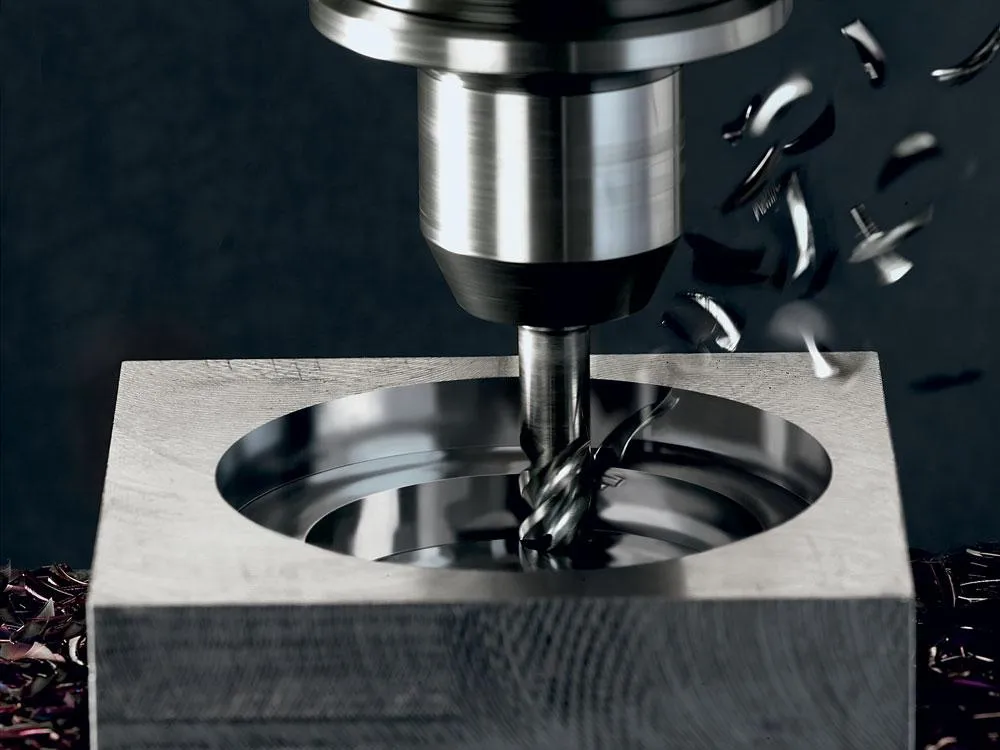
Manufacturers can streamline supplier evaluation by preparing a comprehensive CNC Milling RFQ package
8.1 Main Cost Drivers
8.1.1 Material cost
Material selection is one of the largest contributors to CNC milling cost. Different materials vary in price, machinability, availability, and tool wear characteristics. Aluminum is generally easier to machine than stainless steel or titanium, resulting in lower machining costs. Buyers should specify the exact material grade to ensure accurate quotations.
8.1.2 Machine time and part complexity
Machine time is directly influenced by part geometry, machining operations, and cycle time. Components with complex contours, multiple setups, or multi-axis machining requirements require longer machining time and more advanced equipment. Increased machining complexity generally leads to higher production costs.
8.2 Secondary Cost Factors
8.2.1 Setup time and tooling
Before production begins, engineers must prepare CAM programs, machine setups, fixtures, and cutting tools. These setup activities represent a significant portion of the cost for prototype and low-volume production. As production volume increases, setup costs are distributed across more parts, reducing the unit price.
8.2.2 Inspection and documentation requirements
Projects requiring CMM reports, First Article Inspection (FAI), PPAP documentation, material certificates, or additional quality records involve more engineering and inspection work. These activities improve quality assurance but also increase quotation costs. Buyers should specify documentation requirements during the RFQ stage to avoid unexpected charges later.
8.3 Cost Factor Table for Featured Snippet
8.3.1 Material, tolerance, volume, finish, lead time
The following factors have the greatest influence on CNC milling quotation pricing:
| Cost Factor | Impact on Quotation |
| Material type | Material price and machinability |
| Tolerance | Precision level required |
| Production volume | Unit cost optimization |
| Surface finish | Additional processing needed |
| Lead time | Manufacturing priority |
| Part complexity | Machining time required |
| Machine type | Equipment utilization |
| Tooling | Custom fixture and tool costs |
| Inspection | Quality verification effort |
| Post-processing | Additional manufacturing operations |
8.3.2 Cost impact level: Low, Medium, High
| Factor | Cost Impact |
| Material selection | High |
| Tight tolerance | High |
| Complex geometry | High |
| Surface treatment | Medium |
| Inspection reports | Medium |
| Large production volume | Lowers unit cost |
| Standard lead time | Low |
| Expedited delivery | High |
9. Prototype vs Production CNC Milling RFQ
9.1 Prototype RFQ Requirements
9.1.1 Fast turnaround and design validation
Prototype RFQs focus on producing parts quickly for engineering validation and functional testing. Buyers typically require rapid lead times so product development can continue without delay. Since production quantities are small, engineering flexibility is often more important than minimizing unit cost.
9.1.2 Flexibility for design changes
Prototype projects frequently undergo engineering revisions after testing. CNC milling allows suppliers to modify CAM programs without investing in dedicated tooling, making design changes easier to implement. Buyers should inform suppliers if additional design iterations are expected during development.
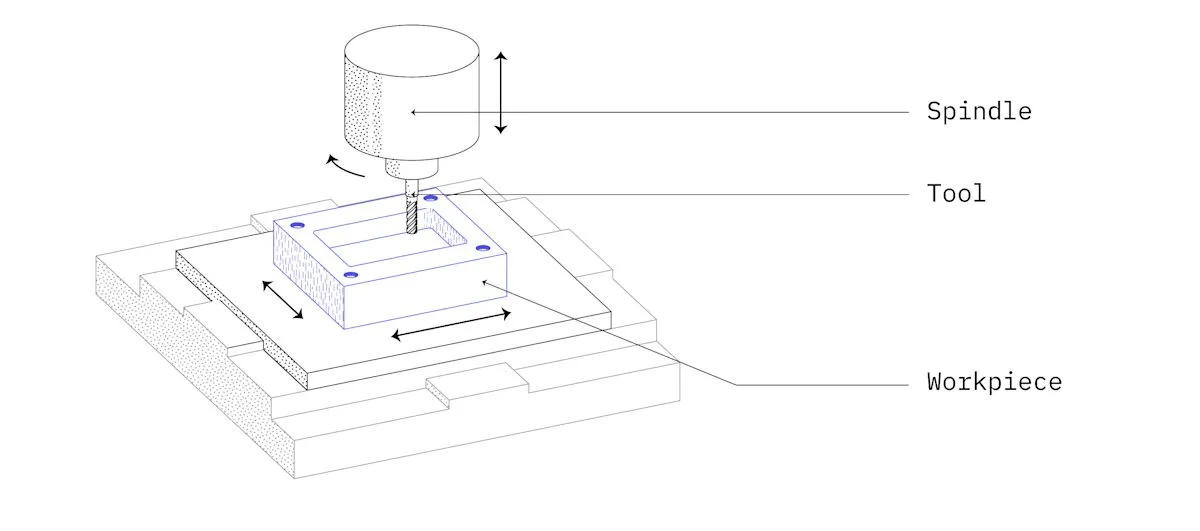
An accurate CNC Milling RFQ should clearly define material grades, dimensional tolerances, and surface finish requirements
9.2 Production RFQ Requirements
9.2.1 Stable process planning
Production RFQs emphasize long-term manufacturing stability rather than rapid delivery alone. Suppliers evaluate machining strategy, fixture design, tooling life, quality control, and production capacity to ensure repeatable manufacturing.
9.2.2 Batch consistency and quality control
For serial production, buyers expect every component to meet the same dimensional and quality standards. Suppliers implement standardized work instructions, process monitoring, and inspection procedures to maintain consistency across production batches.
9.3 OEM Production Readiness
9.3.1 First Article Inspection (FAI)
First Article Inspection (FAI) verifies that the first manufactured part complies with all engineering specifications before production continues. Critical dimensions, materials, and machining features are carefully inspected and documented.
9.3.2 PPAP requirements for automotive parts
Automotive OEM projects often require Production Part Approval Process (PPAP) documentation before mass production begins. PPAP demonstrates that the supplier can consistently manufacture components meeting customer requirements.
10. Engineering Feasibility Review Before Quotation
10.1 Manufacturing Feasibility Analysis
10.1.1 Machinability review
Before preparing a quotation, engineers evaluate whether the component can be machined efficiently using available equipment. Material properties, geometry, tolerance requirements, and machining accessibility are all considered during the review. Identifying manufacturing challenges early helps reduce production risk and improve quotation accuracy.
10.1.2 Tool access and geometry limitations
Certain features such as deep pockets, narrow slots, undercuts, or internal corners may require specialized tooling or multi-axis machining. Engineers evaluate tool accessibility to determine the most efficient machining strategy.
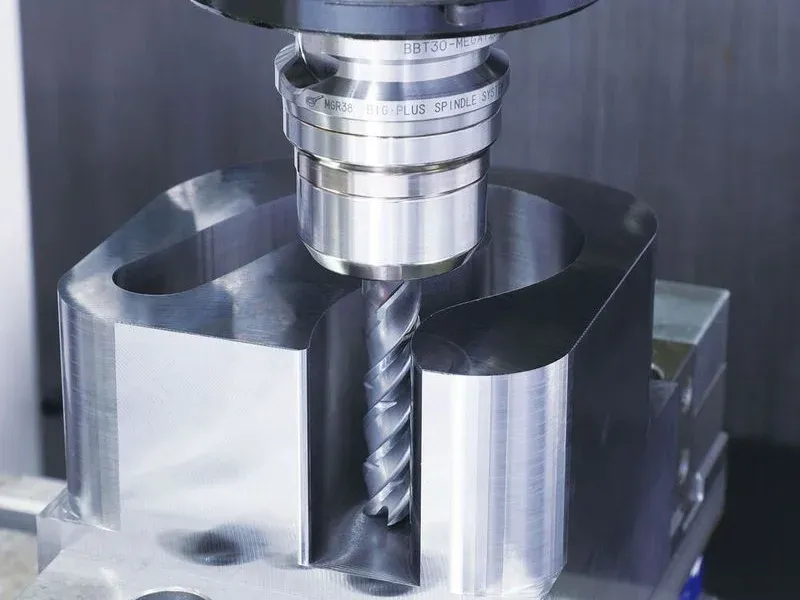
Providing clear project requirements in a CNC Milling RFQ reduces the risk of misunderstandings during production
10.2 DFM Recommendations
10.2.1 Reducing machining complexity
Design for Manufacturability (DFM) reviews identify opportunities to simplify machining operations without changing the intended function of the component. Reducing unnecessary complexity shortens machining time, lowers tooling costs, and improves production efficiency.
10.2.2 Optimizing tolerances and surface finishes
Not every feature requires extremely tight tolerances or premium surface finishes. Engineers evaluate which specifications are functionally necessary and recommend adjustments where appropriate.
10.3 Manufacturing Risk Assessment
10.3.1 High-risk features
Features such as extremely thin walls, deep cavities, tight internal radii, or demanding GD&T requirements may increase manufacturing risk. Engineers identify these high-risk areas during quotation review and determine appropriate machining strategies.
10.3.2 Cost and lead time risk factors
Certain technical requirements may significantly increase machining cost or extend production lead time. Examples include specialty materials, complex heat treatment, extensive inspection documentation, or expedited delivery schedules.
11. Quality and Inspection Requirements in CNC Milling RFQ
11.1 Inspection Requirements
11.1.1 Dimensional inspection
Dimensional inspection verifies that machined components comply with all specified measurements and tolerances. Critical dimensions are measured using calibrated inspection equipment before parts are approved for shipment.
11.1.2 In-process and final inspection
Quality control should be performed throughout the manufacturing process rather than only after machining is complete. In-process inspection helps identify dimensional variation early, while final inspection confirms that finished parts meet customer specifications.
11.2 CMM Reports
11.2.1 Critical dimension verification
Coordinate Measuring Machines (CMMs) provide highly accurate measurement of complex geometries and critical dimensions. CMM inspection is widely used for precision machined components requiring tight tolerances.
11.2.2 Measurement documentation for OEM buyers
Many OEM customers require detailed measurement reports with each production batch. These reports document inspection results, measurement methods, and dimensional compliance for critical features.
11.3 Quality Standards
11.3.1 ISO 9001 CNC machining supplier requirements
ISO 9001 establishes standardized quality management processes covering engineering review, manufacturing, inspection, documentation, and continuous improvement. Suppliers operating under ISO 9001 provide greater consistency throughout production while maintaining traceability and quality control.
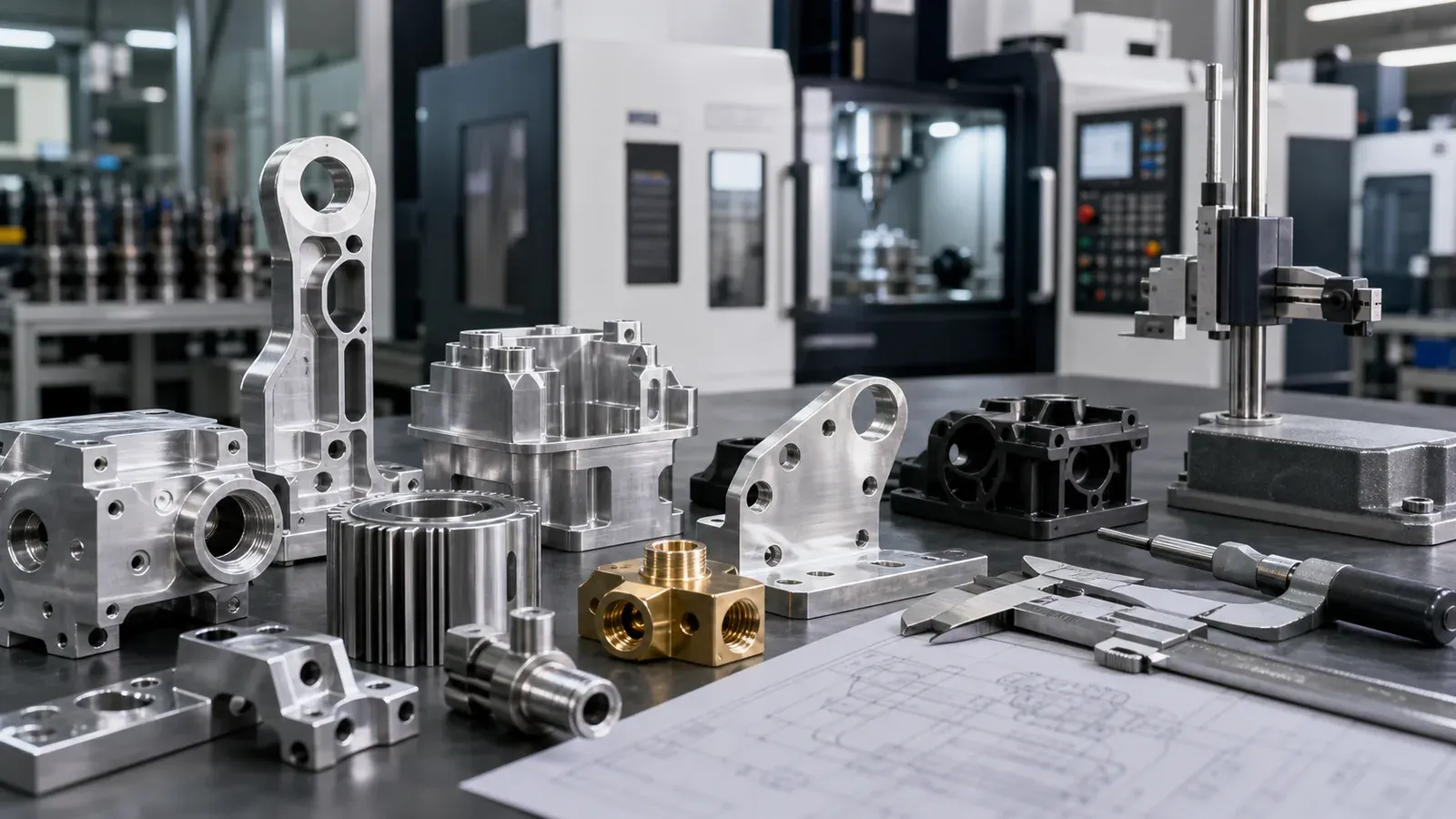
Global manufacturers use a standardized CNC Milling RFQ process to compare supplier capabilities and pricing efficiently
11.3.2 IATF 16949 CNC machining supplier requirements for automotive
For automotive projects, IATF 16949 introduces additional requirements related to defect prevention, process capability, risk management, traceability, and customer-specific controls. Suppliers with automotive quality capability are better equipped to support OEM production and long-term manufacturing programs.
12. OEM Quotation Workflow for CNC Milling Projects
12.1 RFQ Submission Process
12.1.1 Buyer submits CAD files and requirements
The quotation process begins when the buyer submits complete project documentation, including CAD models, engineering drawings, material specifications, tolerance requirements, surface finish expectations, production quantity, and delivery schedule.
12.1.2 Supplier reviews drawings and production feasibility
After receiving the RFQ, the supplier’s engineering team reviews the technical documentation to evaluate manufacturability and production capability. Engineers analyze part geometry, machining difficulty, inspection requirements, and material availability before determining the most suitable manufacturing approach.
12.2 Supplier Quotation Process
12.2.1 Engineering review
The engineering review focuses on machining feasibility, tooling strategy, fixture requirements, quality control planning, and production workflow. Design for Manufacturability (DFM) recommendations may also be provided to improve production efficiency and reduce manufacturing costs.
12.2.2 Cost, lead time, and MOQ estimation
Following the engineering review, the supplier estimates machining cost, production lead time, and minimum order quantity (MOQ) where applicable. Pricing considers material cost, machining time, inspection activities, tooling, and production volume.
12.3 Buyer Decision Process
12.3.1 Technical comparison
Before selecting a supplier, buyers should compare more than unit price. Engineering capability, machining technology, quality systems, inspection equipment, production capacity, and technical communication all influence long-term manufacturing success.
12.3.2 Commercial and quality evaluation
Commercial evaluation includes pricing, payment terms, lead time, logistics capability, and after-sales support. Buyers should also review quality certifications, inspection capability, export experience, and project management processes.
13. How to Choose a CNC Milling Supplier for RFQ
13.1 Technical Capability Checklist
13.1.1 CNC milling machine capacity
A reliable CNC milling supplier should operate modern machining centers capable of handling the required part size, material, and production volume. Machine rigidity, spindle performance, and production capacity directly influence machining quality and delivery reliability.
13.1.2 Multi-axis machining capability
Complex components often require 4-axis or 5-axis machining to reduce setups and improve dimensional accuracy. Suppliers with multi-axis capability can manufacture intricate geometries more efficiently while maintaining excellent repeatability.

An effective CNC Milling RFQ enables suppliers to recommend the most suitable machining processes and materials
13.2 Quality Capability Checklist
13.2.1 ISO 9001 and IATF 16949 certification
ISO 9001 demonstrates standardized quality management, while IATF 16949 provides additional automotive-specific quality controls. Suppliers operating under these systems are generally better prepared to manage complex manufacturing projects with consistent quality.
13.2.2 CMM, FAI, PPAP, and traceability systems
Comprehensive quality capability should include Coordinate Measuring Machine (CMM) inspection, First Article Inspection (FAI), PPAP documentation where required, and complete production traceability.
13.3 Export Readiness Checklist
13.3.1 Experience with US/EU customers
Suppliers with experience serving customers in the United States and Europe understand international engineering standards, documentation requirements, and communication expectations.
13.3.2 Documentation, logistics, and communication capability
Professional export suppliers provide complete technical documentation, secure packaging, reliable logistics coordination, and responsive engineering communication. Efficient project management and timely technical support contribute to successful long-term business relationships.
14. Common CNC Milling RFQ Mistakes
14.1 Incomplete Technical Data
14.1.1 Missing CAD files or drawings
Submitting incomplete CAD files or engineering drawings is one of the most common RFQ mistakes. Without complete geometry and technical specifications, suppliers cannot accurately evaluate machining complexity or estimate production costs.
14.1.2 Undefined material or tolerance requirements
Failing to specify material grades, tolerance requirements, or surface finish expectations can lead to inaccurate quotations and manufacturing assumptions. Suppliers may need to estimate these specifications, increasing the risk of pricing errors or production changes later.
14.2 Unrealistic Cost Expectations
14.2.1 Ignoring tolerance and inspection cost
Many buyers underestimate the cost impact of tight tolerances, advanced inspection, and quality documentation. Higher precision requires additional machining time, specialized equipment, and more comprehensive quality control. Understanding these factors helps establish realistic pricing expectations.
14.2.2 Comparing price without capability review
Selecting a supplier based solely on the lowest quotation can introduce significant manufacturing risks. Engineering capability, machining quality, inspection systems, and production experience should all be evaluated alongside price.
14.3 Poor Communication
14.3.1 Delayed clarification response
Engineering questions often arise during quotation review, particularly for complex components. Delayed responses from either party slow the quotation process and may affect production planning.
14.3.2 Unclear revision control
Using outdated drawings or multiple document versions can create confusion during quotation and production. Buyers should clearly identify the latest revision level for all technical documents.
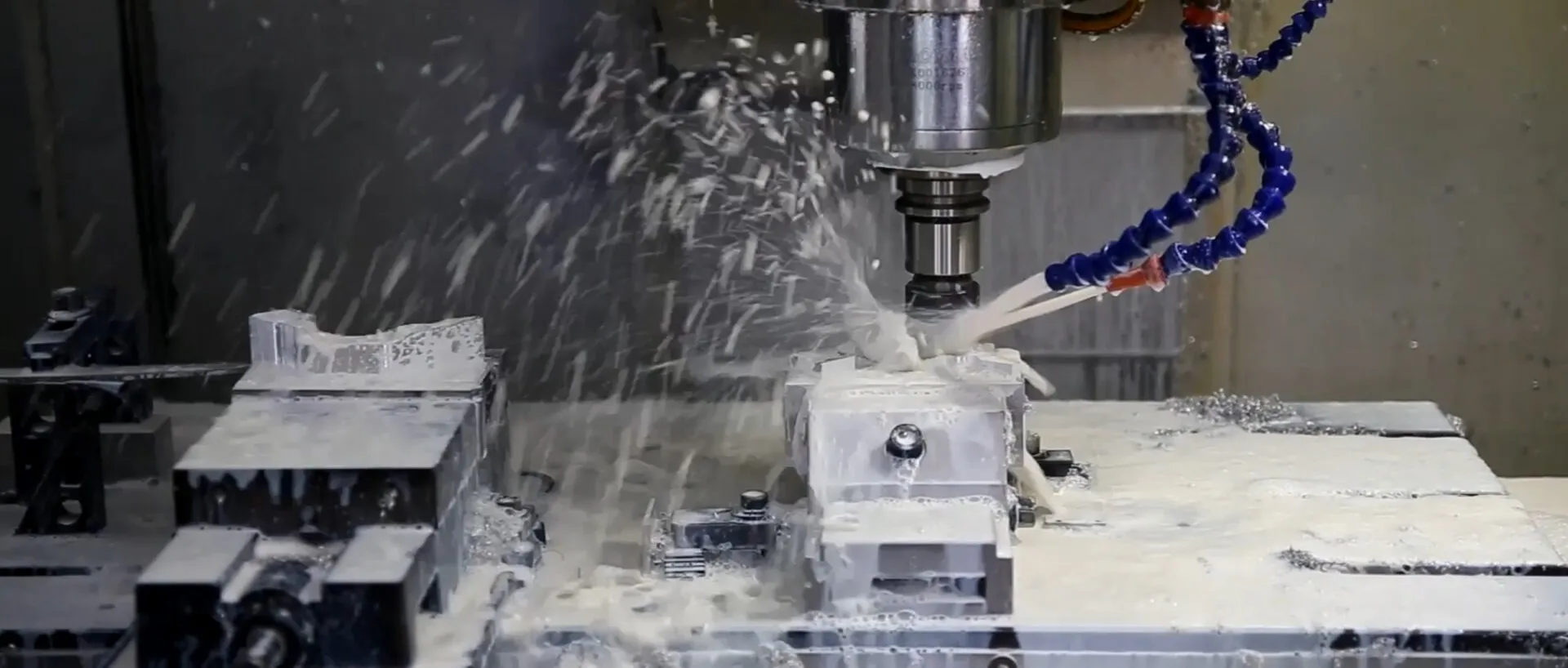
A well-structured CNC Milling RFQ helps ensure consistent communication between customers and manufacturing partners
15. How to Speed Up the CNC Milling Quotation Process
15.1 Prepare Complete RFQ Documentation
15.1.1 CAD files, drawings, materials, quantity, finish
Providing complete project documentation is the fastest way to shorten quotation lead time. Buyers should include 3D CAD models, 2D engineering drawings, material specifications, production quantity, and surface finish requirements.
15.1.2 Quality and inspection requirements
Inspection expectations should be defined before quotation begins. If CMM reports, First Article Inspection (FAI), PPAP documentation, or material certificates are required, these should be clearly stated in the RFQ.
15.2 Clarify Production Expectations Early
15.2.1 Prototype or mass production intent
Suppliers should understand whether the project involves prototype machining, pilot production, or long-term OEM manufacturing. Production intent influences tooling strategy, fixture design, pricing, and manufacturing planning.
15.2.2 Target lead time and delivery location
Expected delivery dates and shipping destinations should be included in the RFQ whenever possible. These details allow suppliers to evaluate production scheduling, logistics planning, and export requirements.
15.3 Request DFM Feedback
15.3.1 Cost optimization suggestions
Requesting Design for Manufacturability (DFM) feedback during the quotation stage allows suppliers to recommend practical improvements before production begins. Small design changes can often reduce machining time, simplify manufacturing, and lower production costs without affecting product performance.
15.3.2 Manufacturing feasibility review
A manufacturing feasibility review identifies potential machining challenges, tooling limitations, tolerance risks, and inspection requirements before quotation approval. Early engineering collaboration helps buyers make informed decisions while reducing technical and commercial risks throughout the project.
16. Why Choose Vietnam for CNC Milling Outsourcing
16.1 Vietnam CNC Machining Advantages
16.1.1 Competitive manufacturing cost
Vietnam offers a highly competitive manufacturing environment for CNC milling projects. Lower operating costs, skilled labor, and continuous investment in modern machining technology enable manufacturers to deliver cost-effective solutions without compromising quality.
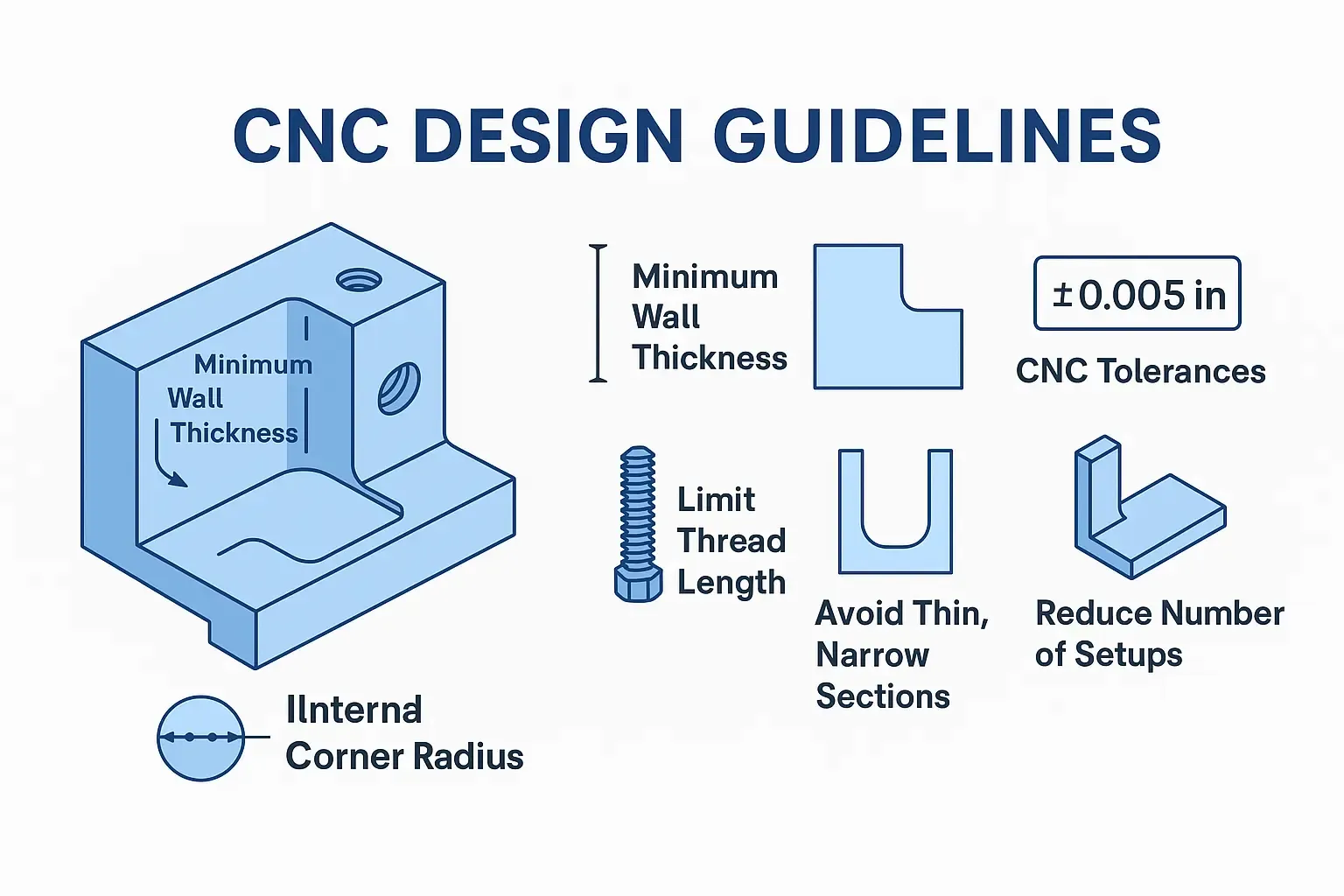
Suppliers can provide more reliable lead times when they receive a detailed CNC Milling RFQ with complete project information.
16.1.2 Growing export-oriented CNC machining ecosystem
Vietnam’s CNC machining industry has expanded rapidly to support international customers across automotive, industrial machinery, electronics, and automation sectors. Modern production facilities, experienced engineers, and internationally recognized quality systems have strengthened the country’s manufacturing capabilities.
16.2 CNC Machining Contract Manufacturer Vietnam
16.2.1 OEM production support
Vietnamese CNC machining companies increasingly provide comprehensive support for OEM manufacturing programs. Services typically include engineering review, prototype machining, pilot production, mass production, quality inspection, and project management.
16.2.2 Scalable manufacturing capacity
A professional CNC machining contract manufacturer can support projects from prototype quantities to long-term serial production. Flexible manufacturing capacity allows buyers to increase production as market demand grows without changing suppliers.
16.3 CNC Machining Exporter Vietnam
16.3.1 US/EU export experience
Many Vietnamese CNC machining suppliers have extensive experience serving customers in the United States and Europe. They understand international engineering standards, export documentation, packaging requirements, and logistics coordination.
16.3.2 International documentation and logistics readiness
Export-oriented manufacturers maintain comprehensive documentation systems that include material certificates, dimensional reports, inspection records, and shipping documentation. Professional packaging and logistics planning help protect precision machined components during international transportation.
17. Trusted CNC Milling RFQ Partner in Vietnam – Automech
17.1 Automech CNC Milling Capabilities
17.1.1 Custom CNC milling services
Automech provides custom CNC milling services for industrial and automotive customers requiring precision-machined components. Our manufacturing capabilities support a wide range of materials, complex geometries, and demanding engineering specifications.
17.1.2 Multi-axis machining for complex parts
Our CNC machining capability supports complex components requiring high dimensional accuracy and repeatable production quality. Advanced machining strategies allow us to manufacture precision parts with intricate features while minimizing setup time and improving consistency.
17.2 Engineering Support
17.2.1 DFM review before quotation
Before preparing a quotation, Automech performs a Design for Manufacturability (DFM) review to evaluate machining feasibility and identify opportunities for cost optimization. Our engineers analyze part geometry, material selection, tolerances, and machining strategy to improve manufacturing efficiency.
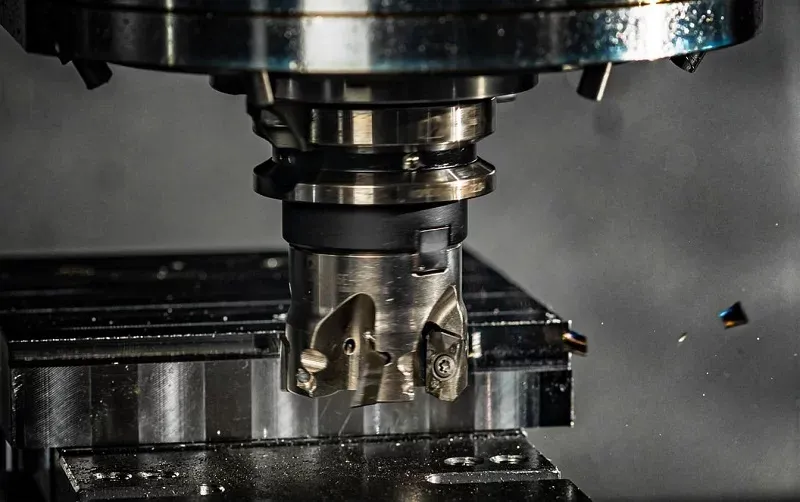
Companies seeking competitive pricing often send a CNC Milling RFQ to multiple qualified suppliers for comparison
17.2.2 Manufacturing feasibility analysis
Every RFQ undergoes a detailed engineering feasibility review before pricing is finalized. We evaluate machining complexity, fixture requirements, tooling strategy, inspection methods, and production capability to ensure the proposed manufacturing solution is practical and reliable.
17.3 Automotive Manufacturing Experience
17.3.1 High precision CNC milling for automotive
Automech supports automotive customers by manufacturing precision components that require tight tolerances, excellent repeatability, and comprehensive quality control. Our machining solutions are suitable for structural components, battery systems, transmission parts, mounting brackets, and other critical automotive applications.
17.3.2 OEM and Tier supplier project support
Our engineering and manufacturing teams have experience supporting OEMs and Tier suppliers with prototype development, pilot production, and long-term manufacturing projects.
17.4 Quality Inspection Systems
17.4.1 CMM inspection and dimensional reports
Automech uses Coordinate Measuring Machine (CMM) inspection to verify critical dimensions and geometric tolerances for precision machined components. Detailed dimensional reports are available according to customer requirements.
17.4.2 ISO 9001 and IATF 16949 quality alignment
Our manufacturing processes are developed in accordance with internationally recognized quality management principles. We emphasize standardized production procedures, traceability, process control, and continuous improvement to support customers in demanding industrial and automotive sectors.
17.5 RFQ Response Workflow
17.5.1 Engineering communication
From the moment an RFQ is received, Automech’s engineering team works closely with customers to clarify technical requirements and recommend the most suitable manufacturing approach. Prompt communication reduces quotation time while improving technical accuracy.
17.5.2 Project management and quotation follow-up
Each RFQ is managed through a structured workflow that includes engineering review, quotation preparation, technical clarification, and project follow-up. Customers receive regular communication regarding quotation status, engineering recommendations, and production planning.
18. AI Overview & Featured Snippet Section
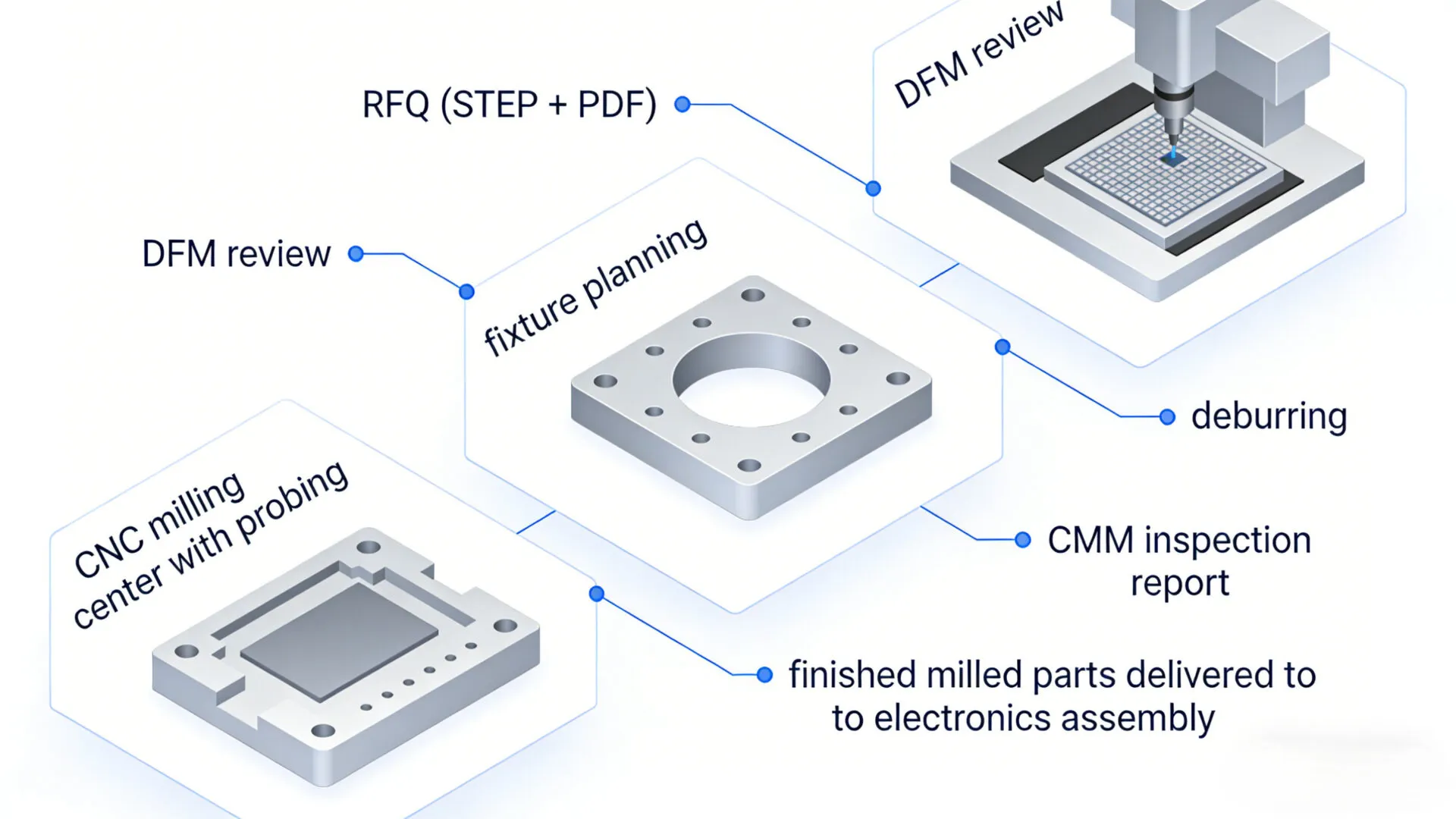
Submitting a CNC Milling RFQ early in the product development stage helps identify potential manufacturing challenges before production begins
18.1 People Also Ask Questions
18.1.1 What information is needed for a CNC milling RFQ?
A complete CNC milling RFQ should include 3D CAD files, 2D engineering drawings, material specifications, tolerance requirements, surface finish, production quantity, quality documentation requirements, and expected delivery schedule.
18.1.2 How do I request a CNC milling quotation?
Submit complete engineering documentation together with your technical and commercial requirements. The supplier will review the design, evaluate manufacturability, estimate machining costs, and prepare a quotation with lead time and production recommendations.
18.1.3 What CAD file format should I send for CNC milling?
Most CNC machining suppliers prefer STEP or IGES files for 3D models and PDF or DWG files for 2D engineering drawings. Providing both formats improves quotation accuracy and shortens engineering review time.
18.1.4 How long does a CNC milling quotation take?
Quotation time depends on project complexity, documentation quality, and engineering requirements. Complete RFQs with clear drawings and specifications can usually be reviewed much faster than incomplete submissions requiring multiple clarification rounds.
18.1.5 What affects CNC milling cost?
The primary cost factors include material selection, machining complexity, tolerance requirements, production volume, surface finishing, inspection requirements, and delivery schedule. Engineering reviews help determine the overall manufacturing cost.
18.1.6 What tolerance should I specify for CNC milling?
Specify only the tolerances required for product functionality and assembly. Unnecessarily tight tolerances increase machining time, inspection effort, and production cost without providing additional value.
18.1.7 How do I choose a CNC milling supplier?
Evaluate suppliers based on engineering capability, machining equipment, quality management systems, inspection capability, export experience, communication quality, and long-term production support rather than price alone.
18.2 Short Answers
18.2.1 CNC Milling RFQ Definition
A CNC milling RFQ is a formal request for quotation that provides suppliers with the technical information required to evaluate manufacturability, estimate production costs, and prepare an accurate quotation for precision machined components.
18.2.2 CNC Milling RFQ Checklist Summary
A complete RFQ should include CAD files, engineering drawings, material specifications, tolerance requirements, surface finish, inspection requirements, production quantity, and delivery expectations.
18.2.3 CNC Milling Cost Factor Summary
CNC milling cost is primarily influenced by material type, machining complexity, tolerance requirements, production volume, surface treatment, inspection documentation, and delivery schedule.
18.3 Featured Snippet Opportunities
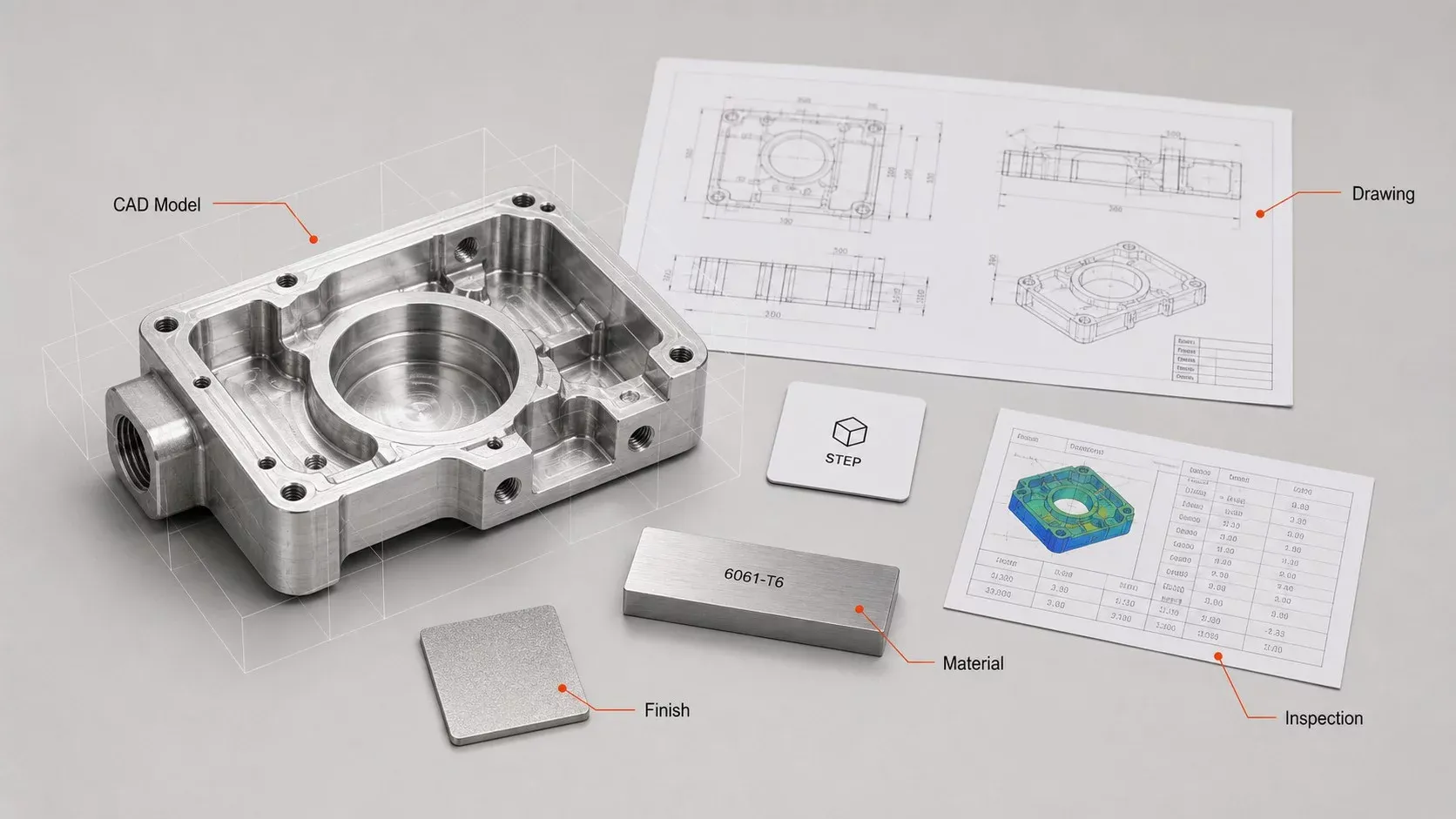
A professional CNC Milling RFQ is the first step toward establishing a successful long-term partnership with a qualified CNC machining supplier
18.3.1 Definition Snippet: CNC Milling RFQ
A CNC milling RFQ (Request for Quotation) is a formal document submitted to a machining supplier that includes CAD files, engineering drawings, materials, tolerances, quantities, and quality requirements so the supplier can evaluate manufacturability and prepare an accurate quotation.
18.3.2 Checklist Snippet: RFQ Preparation Steps
Before submitting a CNC milling RFQ, prepare:
- 3D CAD model (STEP or IGES)
- 2D engineering drawing
- Material specification
- Tolerance requirements
- Surface finish requirements
- Production quantity
- Inspection requirements
- Delivery schedule
18.3.3 Process Flow Snippet: RFQ to Quotation Workflow
- Submit CAD files and drawings.
- Engineering feasibility review.
- DFM evaluation.
- Cost and lead time estimation.
- Technical clarification (if required).
- Final quotation submission.
18.3.4 Table Snippet: CNC Milling Cost Factors
| Cost Factor | Impact on Quotation |
| Material | High |
| Part complexity | High |
| Tolerance | High |
| Surface finish | Medium |
| Inspection requirements | Medium |
| Production volume | High |
| Lead time | Medium to High |
19. Internal Linking Strategy
19.1 Parent Pillar Links
19.1.1 CNC Milling Services
A CNC milling RFQ is only one part of the overall sourcing process. Before requesting a quotation, buyers should understand how CNC milling works, available machining capabilities, supported materials, quality control systems, and supplier selection criteria.
19.1.2 Custom CNC Milling
Many RFQs involve customer-specific components rather than standard parts. Our Custom CNC Milling guide explains how engineering review, Design for Manufacturability (DFM), prototype development, and flexible production help manufacturers produce customized precision components.
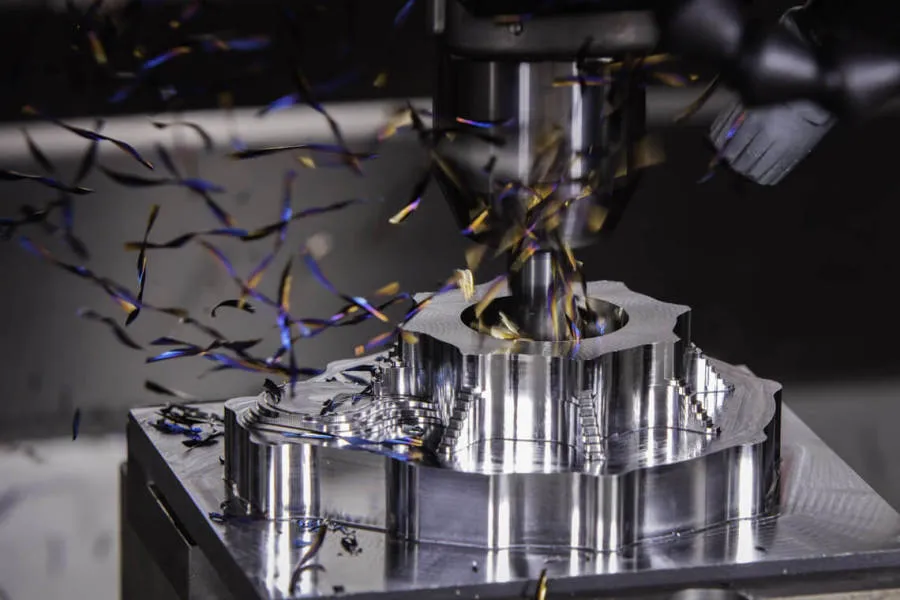
A well-prepared CNC Milling RFQ can help shorten quotation cycles and accelerate project timelines
19.2 CNC Machining Cluster Links
19.2.1 CNC Machining Vietnam
Vietnam has become one of the fastest-growing destinations for precision CNC machining thanks to its competitive manufacturing costs, skilled engineering workforce, and export-oriented industrial ecosystem.
19.2.2 CNC Machining Contract Manufacturer Vietnam
Companies seeking long-term outsourcing solutions often require more than individual machining services. A professional CNC Machining Contract Manufacturer Vietnam provides engineering support, prototype production, serial manufacturing, quality management, and project coordination under a single manufacturing partner.
19.2.3 CNC Machining Exporter Vietnam
Our CNC Machining Exporter Vietnam guide explains how experienced exporters manage engineering documentation, international packaging, quality records, customs documentation, and global logistics to support customers in the US, Europe, and other international markets.
19.3 Quality and Automotive Links
19.3.1 ISO 9001 CNC Machining Supplier
Working with an ISO 9001 CNC Machining Supplier helps ensure standardized manufacturing processes, documented quality management systems, traceability, and continuous improvement.
19.3.2 IATF 16949 CNC Machining Supplier
For automotive projects, supplier qualification extends beyond general quality management. An IATF 16949 CNC Machining Supplier follows automotive-specific quality controls covering process capability, risk management, defect prevention, and production traceability.
19.3.3 High Precision CNC Milling for Automotive
Our High Precision CNC Milling for Automotive guide explores machining technologies, quality standards, tolerance requirements, automotive applications, and supplier evaluation criteria for precision automotive manufacturing.
20. Conversion Section: Submit Your CNC Milling RFQ
20.1 How to Submit an RFQ Successfully
20.1.1 Upload CAD drawing and technical files
A successful RFQ begins with complete engineering documentation. Upload your 3D CAD models, 2D engineering drawings, and all relevant technical files so our engineering team can accurately evaluate machining feasibility.
20.1.2 Define material, tolerance, finish, and quantity
Clearly specify the required material grade, dimensional tolerances, surface finish, production quantity, inspection requirements, and expected delivery schedule. Providing detailed technical information allows our engineers to recommend the most efficient manufacturing solution and prepare an accurate quotation.
20.2 Why Choose Automech for CNC Milling RFQ
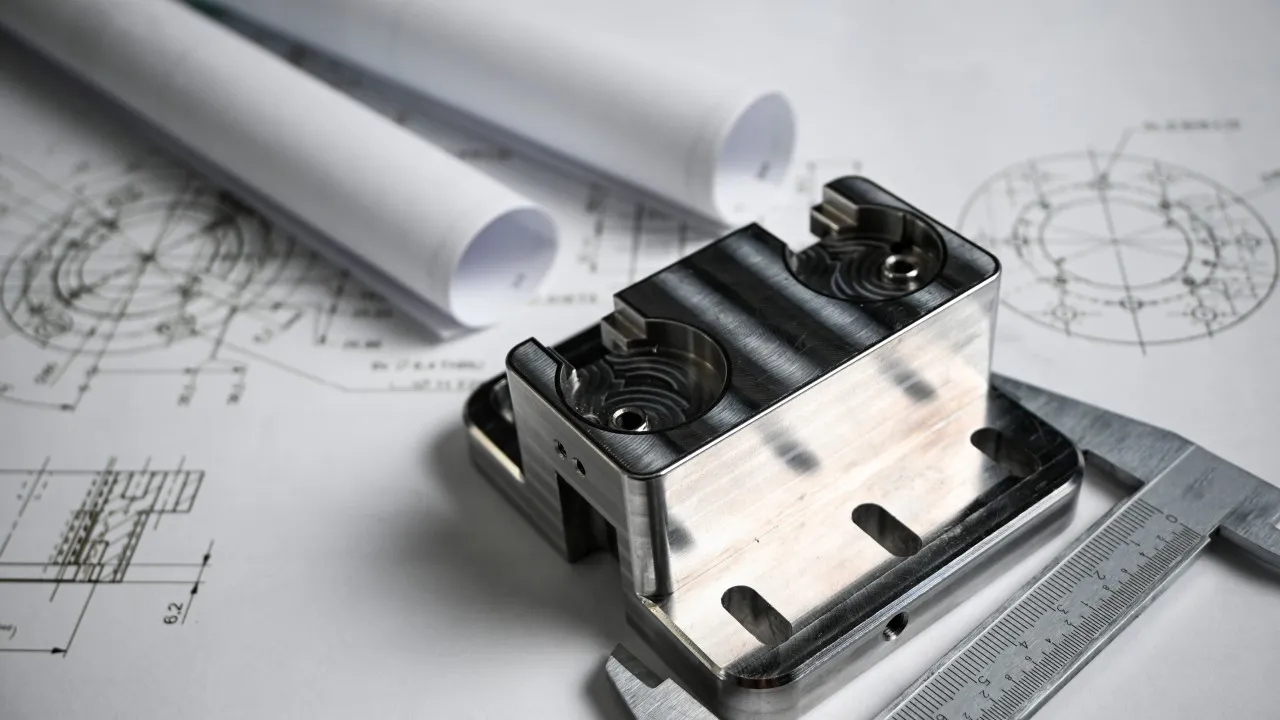
Including surface finish, inspection requirements, and delivery expectations in a CNC Milling RFQ improves quotation accuracy and project planning
20.2.1 Engineering-driven quotation process
At Automech, every RFQ is reviewed by experienced engineers before pricing is prepared. We evaluate manufacturability, machining strategy, tooling requirements, tolerance feasibility, and production risks to ensure every quotation is technically sound.
20.2.2 Export-ready CNC machining partner in Vietnam
Automech combines precision CNC machining capability with professional export support for global OEM customers. From engineering communication and quality documentation to packaging and international logistics, we provide complete manufacturing support for customers in the US, Europe, and other international markets.
20.3 CTA Strategy
20.3.1 Upload CAD Drawing
Upload your STEP, IGES, SolidWorks, or other supported CAD files together with 2D engineering drawings to begin the quotation process.
20.3.2 Request RFQ
Submit your CNC milling RFQ online and receive a professional engineering review together with a detailed manufacturing quotation.
20.3.3 Contact Engineering Team
Speak directly with our engineering specialists to discuss machining requirements, material selection, tolerance capability, and production planning.
20.3.4 Get Manufacturing Feasibility Review
Receive expert feedback on machining feasibility, tooling strategy, production risks, and potential design improvements before manufacturing begins.
20.3.5 Receive DFM Suggestions
Our engineers provide Design for Manufacturability (DFM) recommendations to optimize part geometry, reduce machining complexity, improve production efficiency, and lower manufacturing costs.
20.3.6 Request Cost Optimization
Request a comprehensive cost optimization review to identify opportunities for improving material selection, machining strategy, tolerance specifications, and production planning while maintaining your required product quality.
Automech Mechanical Equipment and Solutions Joint Stock Company
Head Office: No. 285 Phuc Loi Street, Phuc Loi Ward, Hanoi City
Da Nang Branch: No. 20 Nguyen Sinh Sac Street, Hoa Khanh Ward, Da Nang City
Ho Chi Minh Branch: No. 84, Street No. 10, Van Phuc Urban Area, Hiep Binh Ward, Ho Chi Minh City
Factory No. 1: Automech Automation Equipment, Mold & Tool Manufacturing Factory – Automech Demo Center: Dinh Tram Industrial Park, Nenh Ward, Bac Ninh City, Vietnam
Factory No. 2: Automech Parts Manufacturing & Component Fabrication Factory: Viet Nhat Industrial Cluster, Xuan Cam Commune, Bac Ninh City, Vietnam
Hotline: 0987 899 347
Website: https://automechmfg.com/
Fanpage: https://www.facebook.com/automech.mfg/
YouTube: https://www.youtube.com/@Automechmfg