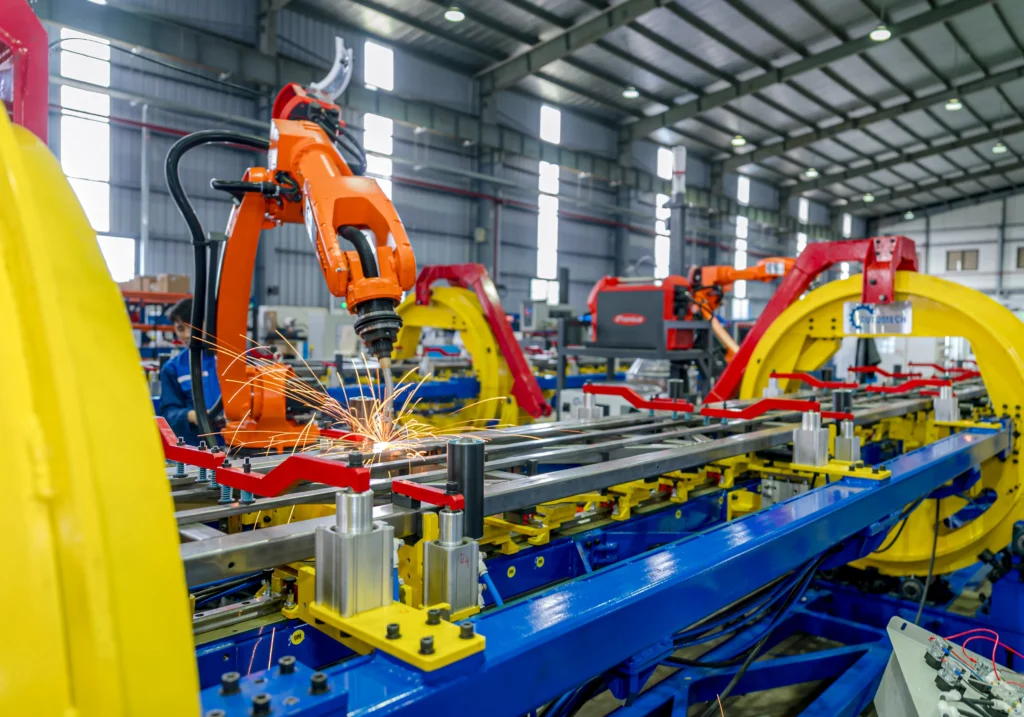
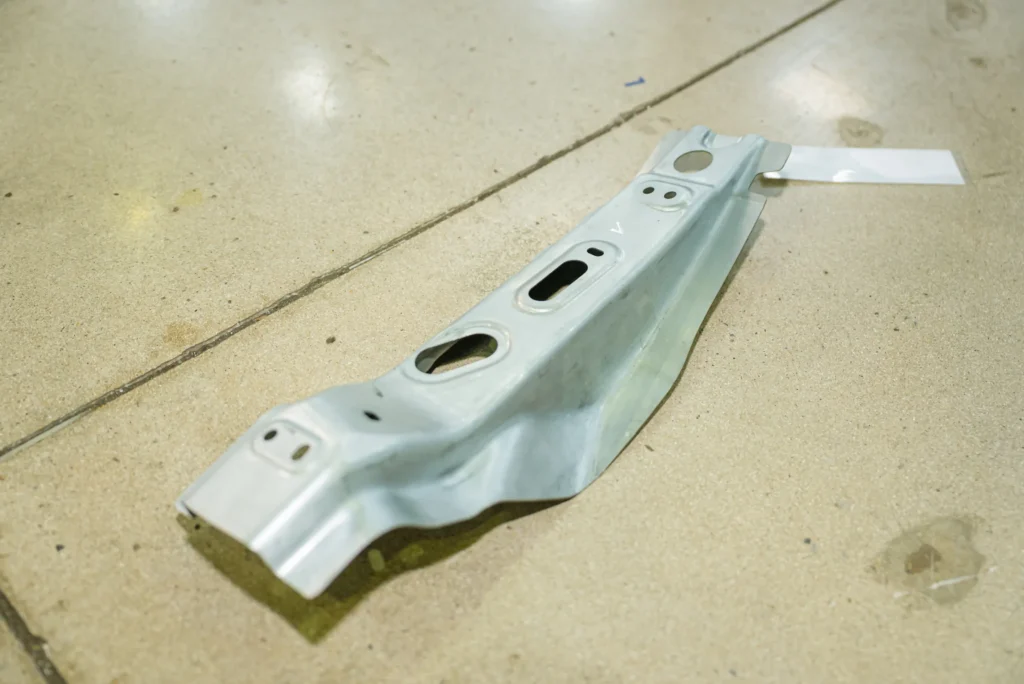
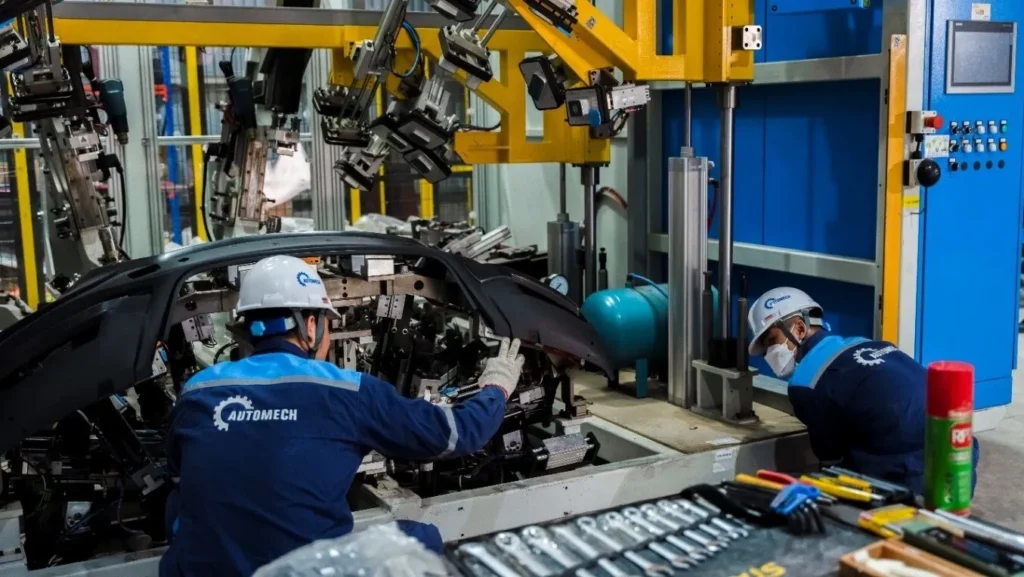
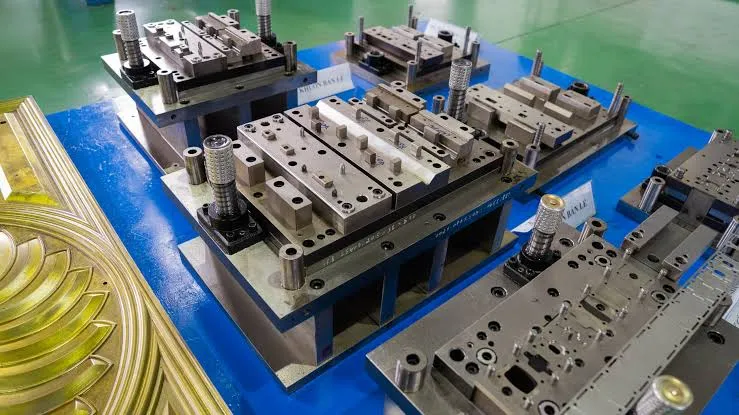
As modern vehicles become increasingly sophisticated, the demand for high precision CNC machining for automotive applications continues to grow. From internal combustion engines and transmissions to electric vehicle (EV) battery systems, automotive manufacturers require components that meet extremely tight tolerances and stringent quality standards. In this article, AUTOMECH explores the role of precision CNC machining in automotive manufacturing, key tolerance requirements, quality control practices, and how reliable machining partners help OEMs achieve consistent performance, safety, and long-term reliability.
1. Introduction: The Role of High Precision CNC Machining in Automotive Industry
1.1 Global Demand for High Precision Automotive Manufacturing
The automotive industry is undergoing a significant transformation driven by electrification, lightweight materials, autonomous technologies, and increasingly complex vehicle architectures. As a result, precision manufacturing has become a critical requirement throughout the supply chain.
1.1.1 Increasing Complexity of Modern Automotive Components (ICE, EV, Hybrid Systems)
Today’s vehicles contain thousands of highly engineered parts that must function together seamlessly. Internal combustion engine (ICE) systems require precise machining of cylinder heads, engine blocks, and transmission assemblies, while electric vehicles introduce additional complexity through battery housings, thermal management systems, motor components, and lightweight structural assemblies.
As vehicle technology advances, the dimensional accuracy required for these components becomes increasingly demanding, making high precision CNC machining an essential manufacturing process.
1.1.2 OEM Requirements for Tighter Tolerances and Zero-Defect Production
Automotive OEMs and Tier suppliers operate under strict quality standards where even minor dimensional deviations can affect vehicle performance, safety, and reliability. Manufacturers are expected to consistently produce components within micron-level tolerances while maintaining high-volume production efficiency.
This focus on zero-defect manufacturing has significantly increased the demand for suppliers equipped with advanced CNC machining technologies and robust quality management systems.
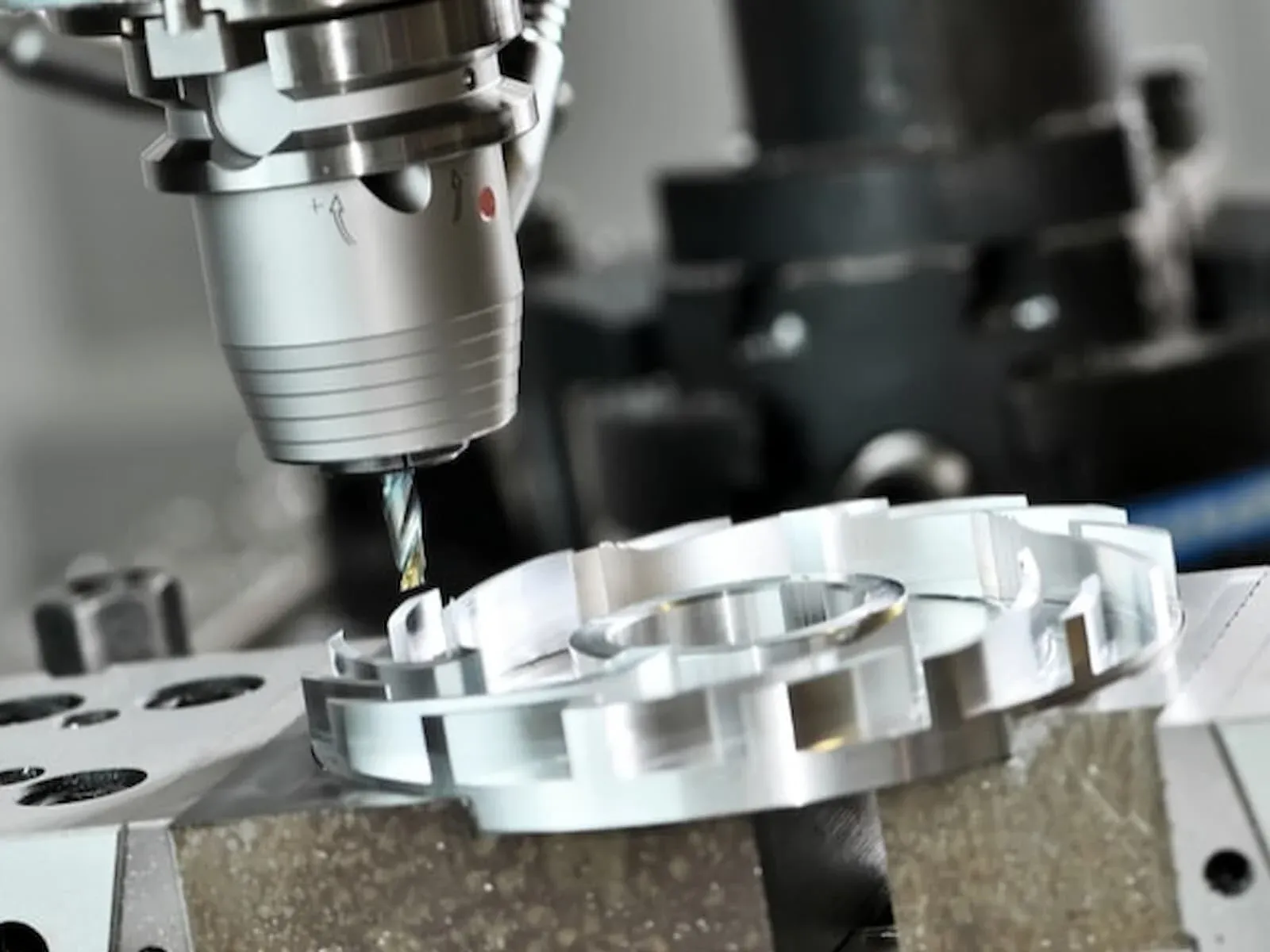
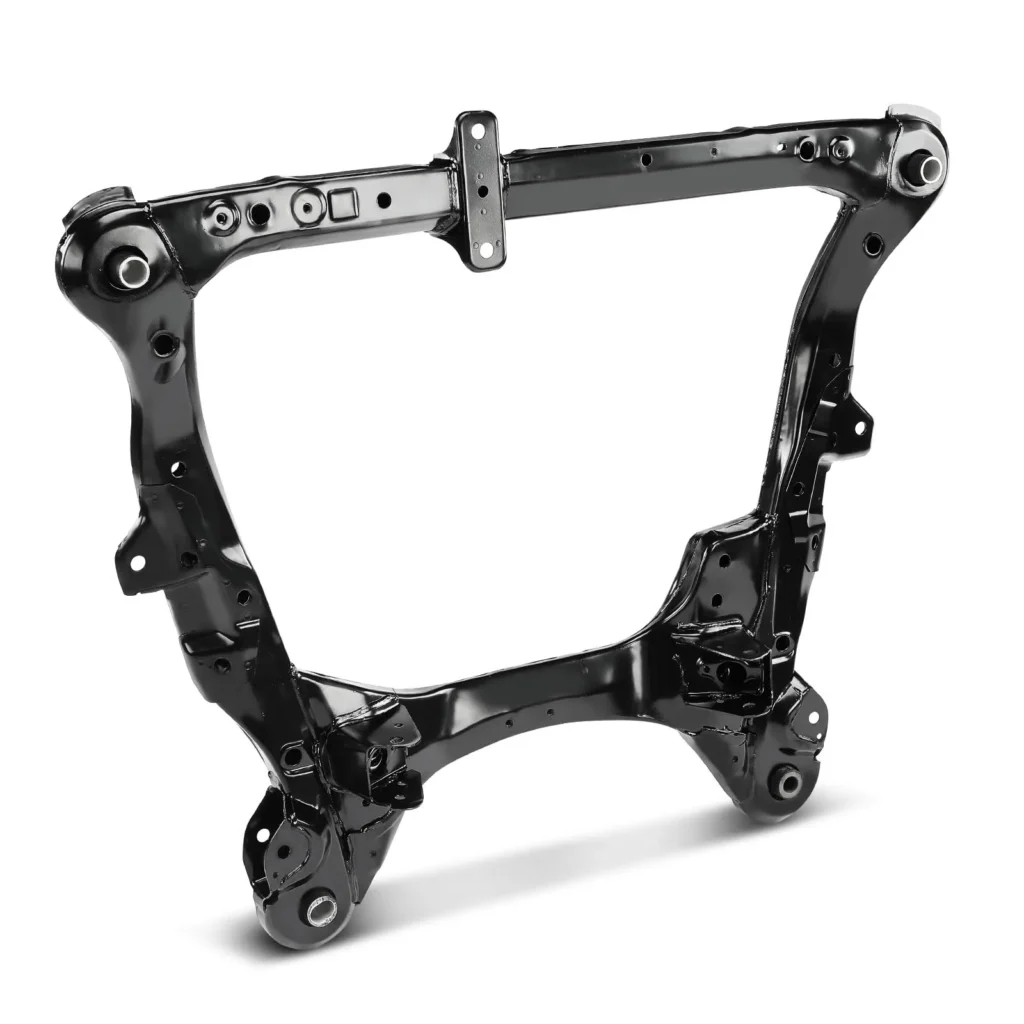
High precision CNC machining for automotive applications ensures exceptional dimensional accuracy and consistent part quality
1.2 Why Buyers Search “High Precision CNC Machining for Automotive”
Global sourcing teams, procurement managers, and automotive engineers often search for specialized machining partners capable of meeting demanding technical requirements.
1.2.1 Need for Reliable Precision Manufacturing Partners
Automotive manufacturers need suppliers that can consistently achieve tight tolerances, maintain production stability, and deliver repeatable quality across multiple production batches. Selecting the right machining partner directly impacts product quality, warranty costs, and overall supply chain performance.
1.2.2 Supply Chain Shift Toward Asia and Vietnam
As companies diversify manufacturing operations beyond traditional sourcing locations, Vietnam has emerged as a competitive destination for precision CNC machining. Supported by growing technical capabilities, skilled engineering talent, and export-oriented manufacturing infrastructure, Vietnam is increasingly recognized as a reliable partner for automotive component production.
2. What is High Precision CNC Machining in Automotive?
2.1 Definition of High Precision CNC Machining
High precision CNC machining refers to the use of computer-controlled manufacturing equipment to produce components with extremely tight dimensional tolerances and exceptional repeatability.
2.1.1 Computer-Controlled Machining with Micron-Level Accuracy
Advanced CNC machining systems can achieve tolerances measured in microns, enabling manufacturers to produce highly accurate components for critical automotive applications. Precision is maintained through sophisticated programming, machine calibration, and controlled production environments.
2.1.2 Subtractive Manufacturing for Complex Geometries
The process removes material from a solid workpiece using cutting tools controlled by CNC software. This method allows manufacturers to create complex shapes, intricate features, and high-performance components that would be difficult or impossible to achieve through conventional manufacturing methods.
2.2 Role in Automotive Engineering
Precision machining plays a vital role in nearly every automotive subsystem, from powertrain assemblies to structural components.
2.2.1 Critical Components Requiring Tight Tolerances
Many automotive parts require precise dimensional control, including:
- Transmission housings
- Gear assemblies
- Drive shafts
- EV battery enclosures
- Electric motor components
- Brake system components
These parts often operate under high loads, temperatures, and dynamic stresses, making dimensional accuracy essential.
2.2.2 Performance and Safety Implications
Poor machining accuracy can result in excessive wear, vibration, reduced efficiency, and even component failure. Conversely, precision-manufactured components contribute to improved vehicle performance, fuel efficiency, durability, and passenger safety.
3. Why Precision Matters in Automotive Engineering
3.1 Impact on Performance and Safety
Precision machining directly affects how automotive systems perform throughout their service life.
3.1.1 Engine Efficiency and Transmission Accuracy
In engines and transmissions, even small dimensional variations can affect mechanical alignment, lubrication performance, and power transmission efficiency. High precision machining ensures optimal fit and function, helping maximize performance and reduce energy losses.
3.1.2 Structural Integrity of Automotive Systems
Structural components must meet exact specifications to withstand dynamic loads and operating stresses. Accurate machining contributes to overall vehicle safety by ensuring components perform as intended under real-world conditions.
3.2 OEM Quality Expectations
Automotive manufacturers maintain some of the strictest quality requirements in modern industry.
3.2.1 Zero Defect Manufacturing Requirements
OEMs increasingly expect suppliers to support zero-defect manufacturing initiatives. This requires advanced production controls, continuous process monitoring, and rigorous inspection systems to prevent defects before they occur.
3.2.2 Long-Term Durability and Reliability Standards
Automotive components are expected to perform reliably for many years under demanding operating conditions. Precision machining helps ensure dimensional stability, wear resistance, and consistent performance throughout a vehicle’s lifecycle.
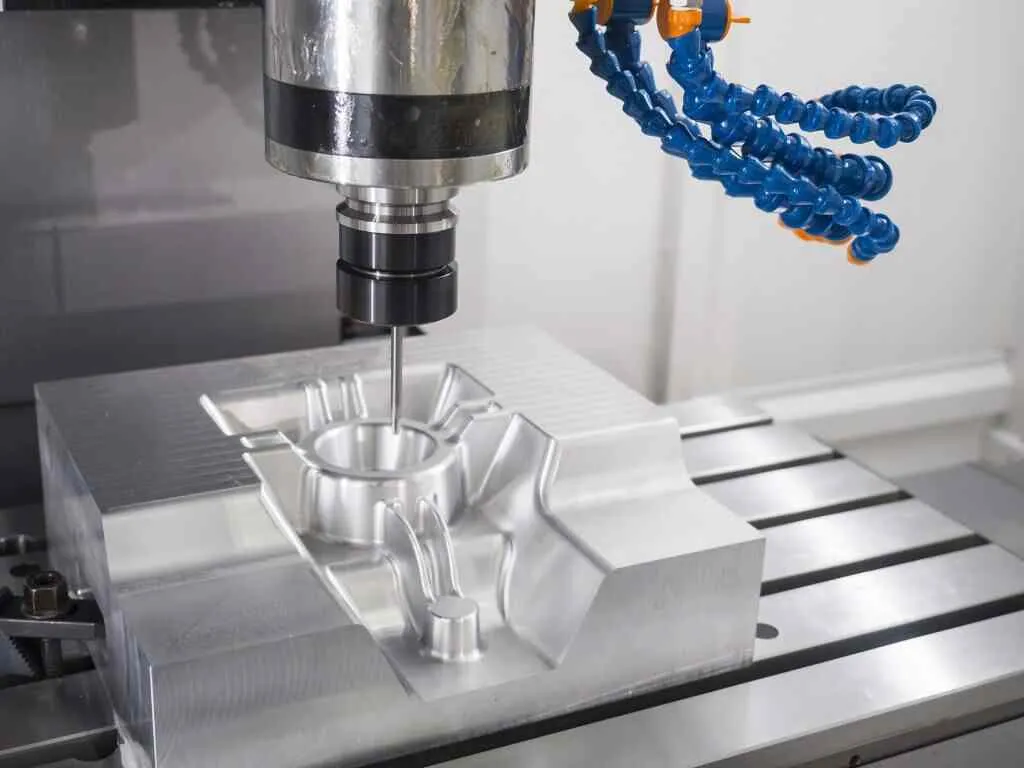
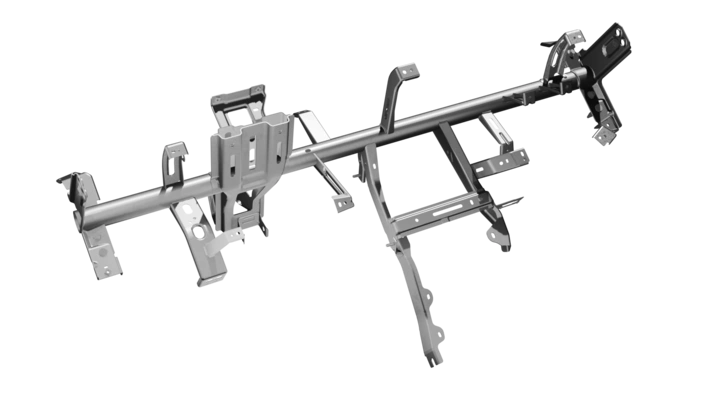
Manufacturers rely on high precision CNC machining for automotive components to meet strict industry standards and performance requirements
4. Tolerance Standards in High Precision CNC Machining
4.1 Common Tolerance Ranges in Automotive Machining
Tolerance requirements vary depending on component function, operating conditions, and OEM specifications.
4.1.1 ±0.01mm Standard Precision
For many automotive applications, a tolerance of ±0.01 mm is considered standard high-precision machining. This level of accuracy is commonly used for housings, mounting surfaces, transmission components, and mechanical assemblies.
Such tolerances ensure proper component fit while maintaining efficient manufacturing costs.
4.1.2 ±0.005mm Ultra-Precision Applications
Certain critical automotive components require even tighter tolerances of ±0.005 mm or better. These applications often include precision bearing seats, fuel system components, electric motor assemblies, and advanced transmission parts.
Achieving this level of accuracy requires highly stable machines, advanced tooling strategies, and sophisticated measurement systems.
4.2 Factors Affecting Machining Accuracy
Several variables influence the ability to maintain tight tolerances during CNC machining operations.
4.2.1 Machine Calibration and Stability
Machine tool accuracy is one of the most important factors in precision manufacturing. Regular calibration, preventive maintenance, and environmental control help ensure consistent machining performance over time.
Modern multi-axis CNC machines incorporate advanced positioning systems designed to minimize errors and maximize repeatability.
4.2.2 Material Behavior and Thermal Expansion
Different materials respond differently to machining forces and temperature changes. Thermal expansion, material hardness, and internal stresses can all influence dimensional accuracy.
Experienced CNC machining suppliers carefully account for these variables when selecting machining parameters and inspection methods.
4.3 Tolerance vs Application Table
4.3.1 Engine Components vs Structural Parts
4.3.2 EV and Battery System Components
| Automotive Application | Typical Tolerance |
| Engine Block Features | ±0.005 mm |
| Transmission Components | ±0.005 – 0.01 mm |
| Gear and Shaft Assemblies | ±0.005 mm |
| Structural Brackets | ±0.01 – 0.05 mm |
| EV Battery Housing Components | ±0.01 mm |
| Electric Motor Components | ±0.005 mm |
| Precision Bearing Seats | ±0.003 – 0.005 mm |
The required tolerance level depends on the function of the component, assembly requirements, and overall vehicle performance objectives. Critical powertrain and EV components generally demand tighter tolerances than non-load-bearing structural parts.
5. CNC Machining Processes for Automotive Precision Parts
5.1 CNC Milling Processes
CNC milling is one of the most widely used manufacturing methods for automotive components due to its flexibility and ability to produce intricate shapes with high precision.
5.1.1 3-Axis, 4-Axis, 5-Axis Machining
Modern automotive manufacturing utilizes various levels of CNC milling technology depending on part complexity.
- 3-axis machining is commonly used for simple brackets, housings, and flat-surface components.
- 4-axis machining enables additional rotational movement, improving efficiency and reducing setups.
- 5-axis machining allows simultaneous multi-directional cutting, making it ideal for complex automotive parts with intricate contours and tight tolerance requirements.
The use of multi-axis machining significantly improves accuracy while reducing production time and handling errors.
5.1.2 Complex Geometry Production
Automotive components often feature intricate internal cavities, curved surfaces, and precision mounting interfaces. Advanced CNC milling enables manufacturers to produce these complex geometries in a single setup, reducing assembly requirements and improving dimensional consistency.
5.2 CNC Turning Processes
For cylindrical and rotationally symmetrical components, CNC turning provides exceptional precision and productivity.
5.2.1 Rotational Precision Components
Many automotive parts depend on precise rotational performance, including bearings, hubs, sleeves, and transmission elements. CNC turning ensures concentricity, roundness, and dimensional accuracy critical to these applications.
5.2.2 Shaft and Cylindrical Part Manufacturing
Drive shafts, motor shafts, axle components, and transmission shafts require tight tolerances and excellent surface finishes. Precision CNC turning helps achieve these requirements while maintaining consistent quality across large production volumes.
5.3 Multi-Axis and Hybrid Machining
As vehicle designs become more sophisticated, manufacturers increasingly adopt advanced machining technologies capable of handling highly complex parts.
5.3.1 High Complexity Automotive Parts
Components such as transmission housings, EV motor casings, turbocharger assemblies, and battery system structures often require machining from multiple angles. Multi-axis systems improve machining efficiency while maintaining exceptional precision.
5.3.2 Reduced Assembly Requirements
By machining multiple features in a single setup, manufacturers can reduce the number of separate components required in an assembly. This simplifies production, improves reliability, and lowers overall manufacturing costs.
6. Materials Used in Precision Automotive Components
6.1 Metals
Metal alloys remain the most common materials for precision automotive applications due to their strength and structural performance.
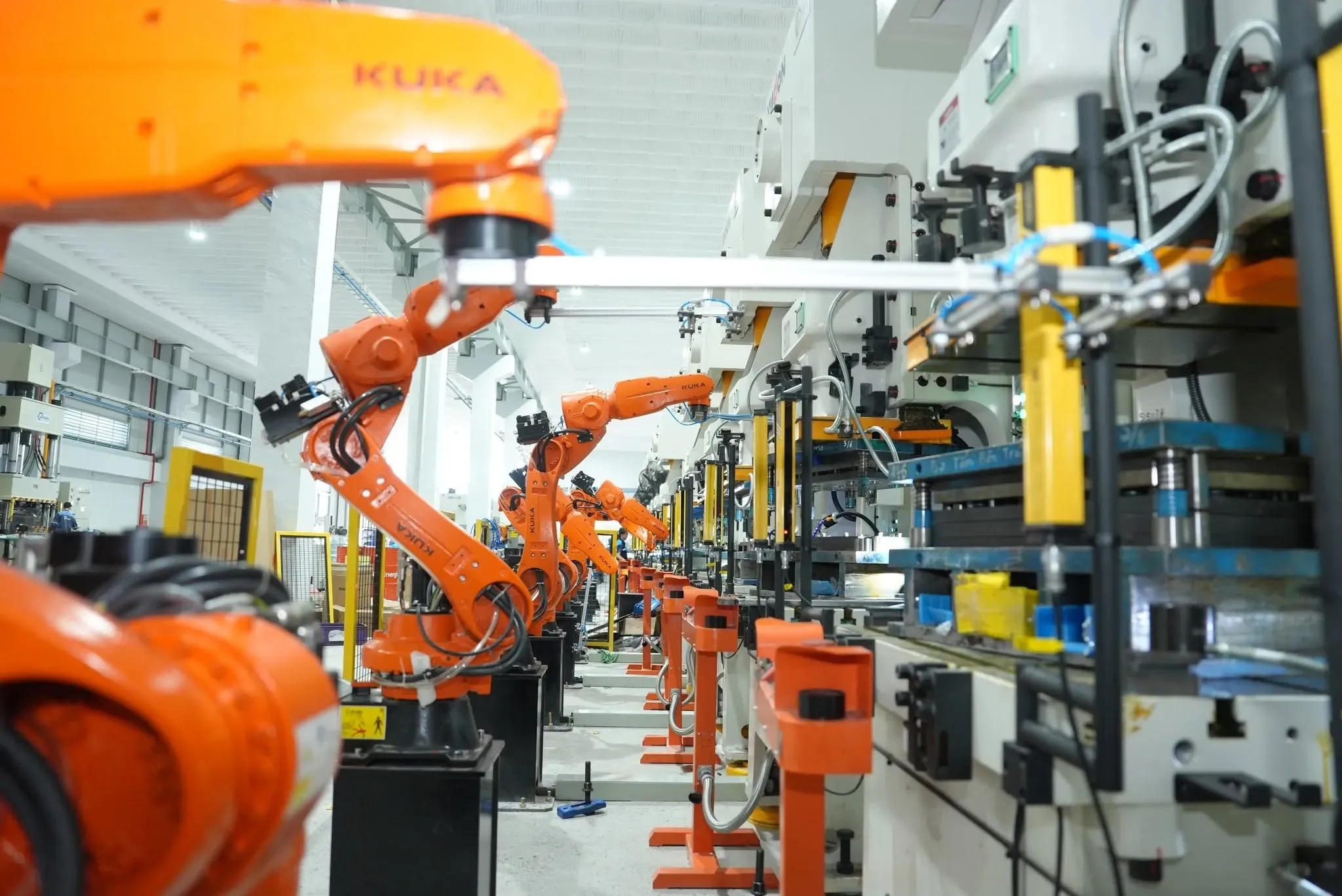
With high precision CNC machining for automotive manufacturing, suppliers can achieve greater efficiency, repeatability, and reliability
6.1.1 Aluminum Alloys for Lightweight Structures
Aluminum is widely used throughout the automotive industry because of its excellent strength-to-weight ratio. It supports vehicle lightweighting initiatives while maintaining structural integrity.
Common applications include:
- EV battery housings
- Engine components
- Transmission casings
- Structural brackets
- Suspension components
Aluminum also offers excellent machinability, making it ideal for high precision CNC machining.
6.1.2 Stainless Steel for Durability and Strength
Stainless steel is often selected for components exposed to harsh environments, high temperatures, or corrosive conditions.
Typical applications include:
- Exhaust system components
- Fasteners
- Precision shafts
- Fuel system parts
- Industrial vehicle components
Its strength and corrosion resistance make it suitable for demanding automotive applications requiring long service life.
6.2 Engineering Plastics
As vehicle manufacturers pursue weight reduction and improved efficiency, engineering plastics are becoming increasingly important.
6.2.1 High-Performance Polymer Components
Advanced engineering plastics offer excellent dimensional stability, wear resistance, and chemical resistance.
Commonly machined materials include:
- POM (Delrin)
- PEEK
- PTFE
- Nylon
- ABS
- UHMW-PE
These materials are commonly used for precision bushings, insulators, seals, and specialized automotive components.
6.2.2 Lightweight EV Applications
Electric vehicle manufacturers increasingly utilize engineering plastics to reduce weight while maintaining functional performance. These materials are particularly valuable for electrical insulation, battery systems, and interior assemblies.
6.3 Material Selection Impact on Precision
The choice of material directly affects machining performance and achievable tolerances.
6.3.1 Machinability Factors
Different materials respond differently to cutting forces, tool wear, and machining conditions. Selecting the appropriate tooling and machining parameters is essential for maintaining dimensional accuracy.
Factors include:
- Material hardness
- Cutting speed capability
- Chip formation characteristics
- Tool wear behavior
6.3.2 Thermal and Mechanical Stability
Temperature variations during machining can affect dimensional accuracy, especially in high-precision applications. Materials with greater thermal stability generally allow tighter tolerance control and improved repeatability.
7. Quality Control Systems in High Precision CNC Machining
7.1 Measurement and Inspection Systems
Precision measurement technology is essential for validating part quality and maintaining process consistency.
7.1.1 CMM (Coordinate Measuring Machine) Inspection
Coordinate Measuring Machines (CMMs) are widely used in automotive manufacturing to verify critical dimensions with exceptional accuracy.
CMM inspection enables manufacturers to:
- Validate geometric tolerances
- Measure complex features
- Produce comprehensive inspection reports
- Support PPAP and OEM documentation requirements
For automotive applications, CMM verification is often a mandatory quality control step.
7.1.2 Optical and Laser Measurement Systems
Modern optical and laser-based inspection technologies enable rapid, non-contact measurement of complex components. These systems improve inspection efficiency while maintaining high levels of accuracy.
Benefits include:
- Fast measurement cycles
- Reduced inspection time
- Enhanced repeatability
- Digital data collection
7.2 Statistical Process Control (SPC)
Leading automotive suppliers rely on Statistical Process Control (SPC) to maintain stable production performance.
7.2.1 Real-Time Production Monitoring
SPC systems continuously monitor critical dimensions during production. By analyzing process data in real time, manufacturers can identify trends and make corrective adjustments before defects occur.
7.2.2 Defect Prevention Systems
Rather than detecting defects after production, SPC focuses on preventing issues through process control and continuous monitoring. This approach supports the automotive industry’s zero-defect manufacturing objectives.
7.3 Quality Documentation
Automotive OEMs require extensive documentation to ensure accountability and traceability throughout the supply chain.
7.3.1 Traceability and Batch Control
Every production batch should be fully traceable, including:
- Material certifications
- Machine records
- Inspection reports
- Operator information
- Process parameters
Traceability supports quality investigations and regulatory compliance.
7.3.2 OEM Audit Readiness
Well-documented quality systems enable suppliers to successfully pass customer audits and maintain approved vendor status within global automotive supply chains.
8. ISO 9001 & IATF 16949 Requirements for Precision Manufacturing

High precision CNC machining for automotive systems is essential for producing critical components such as engine parts, transmission housings, and brake assemblies
8.1 ISO 9001 in Precision CNC Machining
ISO 9001 provides the foundation for quality management across manufacturing operations.
8.1.1 Quality Management System Foundation
ISO 9001 establishes a structured framework for managing quality throughout the organization. It focuses on customer satisfaction, process control, risk management, and continuous improvement.
For CNC machining suppliers, ISO 9001 helps ensure consistent production quality and operational discipline.
8.1.2 Process Standardization
Standardized procedures reduce variability and improve repeatability across manufacturing operations. This consistency is essential when producing high precision automotive components.
8.2 IATF 16949 in Automotive Production
While ISO 9001 provides the foundation, automotive manufacturers often require compliance with IATF 16949.
8.2.1 Automotive-Specific Compliance Requirements
IATF 16949 expands upon ISO 9001 by introducing automotive-specific requirements related to risk management, defect prevention, product safety, and supply chain quality assurance.
These additional controls help automotive suppliers meet the industry’s demanding quality expectations.
8.2.2 OEM Supplier Qualification Standards
Many global automotive OEMs require suppliers to maintain IATF 16949 certification as part of their approved vendor qualification process.
Certification demonstrates a supplier’s commitment to quality, process control, and continuous improvement.
8.3 Certification Impact on Supplier Selection
Quality certifications significantly influence sourcing decisions for automotive buyers.
8.3.1 Risk Reduction for Global Buyers
Certified suppliers provide greater confidence in their ability to consistently meet quality, delivery, and compliance requirements. This helps minimize sourcing risks and enhance supply chain reliability.
8.3.2 Increased Supplier Credibility
For CNC machining suppliers in Vietnam and across Asia, ISO 9001 and IATF 16949 certifications serve as strong indicators of manufacturing maturity and technical capability, helping build trust with global OEMs and Tier suppliers.
9. Automotive Applications of High Precision CNC Machining
9.1 Engine Components
Engine systems contain numerous precision-machined parts that must operate under high temperatures, pressure, and mechanical loads.
9.1.1 Cylinder Heads and Housings
Cylinder heads are among the most demanding automotive components in terms of machining accuracy. Critical features such as combustion chambers, valve seats, coolant passages, and mounting surfaces require precise dimensional control to ensure optimal engine performance and thermal efficiency.
Engine housings and casings also require tight tolerances to maintain proper alignment between moving components and prevent premature wear.
9.1.2 Precision Mechanical Assemblies
Many engine assemblies depend on accurately machined interfaces and mounting surfaces. Even minor dimensional deviations can impact sealing performance, lubrication efficiency, and overall engine reliability.
High precision CNC machining helps ensure repeatable assembly quality while supporting the stringent requirements of modern automotive production.
9.2 Transmission Systems
Transmission components operate under constant stress and require exceptional dimensional accuracy to achieve smooth power transfer and long service life.
9.2.1 Gear and Shaft Components
Gears and shafts require precise machining to maintain correct tooth engagement, rotational balance, and alignment. Tight tolerances contribute to smoother operation, reduced noise, and improved drivetrain efficiency.
Precision machining also helps minimize vibration and wear, extending component lifespan.
9.2.2 High-Load Mechanical Parts
Transmission housings, bearing supports, and drive components must withstand significant loads throughout the vehicle’s operating life. CNC machining ensures these parts meet exact specifications while maintaining structural integrity under demanding conditions.
9.3 EV and Modern Automotive Systems
The rapid growth of electric vehicles has created new opportunities and requirements for high precision CNC machining.
9.3.1 Battery Housing Components
Battery enclosures must provide structural protection while maintaining precise dimensional control for cell placement, thermal management systems, and electrical integration.
CNC machining is widely used to manufacture battery housings, cooling plates, mounting structures, and related EV components.
9.3.2 Lightweight Structural Parts
To maximize vehicle range and efficiency, EV manufacturers increasingly utilize lightweight aluminum components. High precision CNC machining enables the production of complex lightweight structures without compromising strength or safety.
10. CNC Machining Vietnam in Automotive Precision Manufacturing
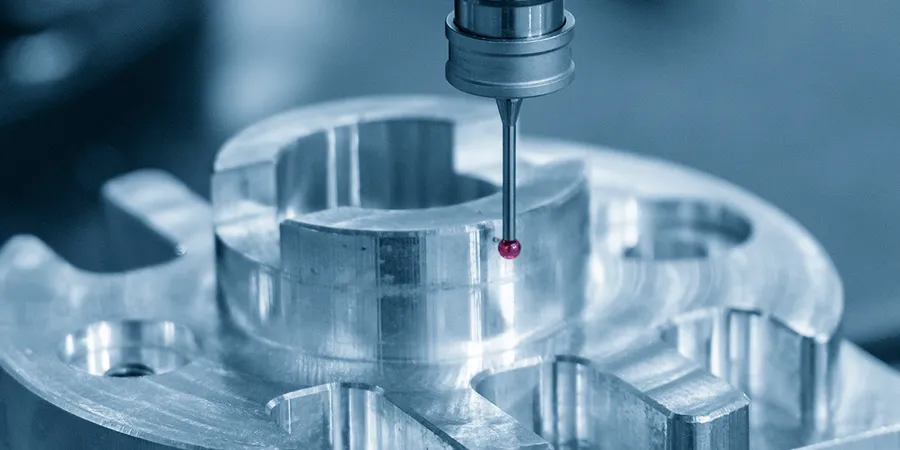
Companies investing in high precision CNC machining for automotive production benefit from improved product quality, reduced defects, and enhanced manufacturing consistency
10.1 Overview of Vietnam Manufacturing Ecosystem
Over the past decade, Vietnam has developed a strong industrial base supported by foreign investment, modern manufacturing facilities, and an increasingly skilled workforce.
10.1.1 Export-Oriented Industrial Development
Vietnam’s manufacturing sector is heavily focused on exports, creating an environment where suppliers continuously improve quality standards, production efficiency, and compliance with international requirements.
This export-driven approach has accelerated the adoption of advanced CNC machining technologies throughout the country.
10.1.2 Growing CNC Machining Capabilities
Vietnamese manufacturers have invested significantly in modern CNC equipment, quality management systems, and engineering talent. Today, many suppliers are capable of producing precision automotive components that meet global OEM standards.
10.2 Vietnam as a CNC Machining Exporter
Vietnam’s strategic location and favorable trade relationships make it an attractive sourcing destination for international buyers.
10.2.1 US and EU Supply Chain Integration
Vietnam has strengthened its position within global supply chains through free trade agreements, competitive production costs, and growing technical capabilities. Many manufacturers now serve customers across North America and Europe with high-quality precision-machined components.
10.2.2 Competitive Alternative to China
As companies diversify sourcing strategies, Vietnam has emerged as a strong alternative to China. Buyers benefit from competitive manufacturing costs, reduced geopolitical risks, and access to an increasingly sophisticated supplier base.
11. Trusted High Precision CNC Machining Supplier in Vietnam – Automech
11.1 Company Overview
Automech is a leading provider of CNC machining and industrial automation solutions in Vietnam, serving customers across automotive, transportation, industrial equipment, electronics, and manufacturing sectors.
11.1.1 CNC Machining Contract Manufacturer Vietnam
As a trusted CNC machining contract manufacturer, Automech provides comprehensive manufacturing support from prototype development to full-scale production. Our engineering team works closely with customers to optimize designs, improve manufacturability, and ensure cost-effective production.
11.1.2 Automotive-Focused Engineering Supplier
With extensive experience supporting automotive-related projects, Automech understands the stringent quality, tolerance, and reliability requirements demanded by modern OEMs and Tier suppliers.
11.2 Technical Capabilities
Automech continuously invests in advanced manufacturing technologies to meet the evolving needs of global customers.
11.2.1 High Precision CNC Milling and Turning Systems
Our manufacturing capabilities include advanced CNC milling and turning operations capable of producing complex components with tight tolerances and excellent surface finishes.
From simple mechanical parts to intricate automotive assemblies, Automech delivers consistent precision across varying production volumes.
11.2.2 Complex Automotive Component Manufacturing
We support the production of critical automotive components, including:
- Precision housings
- Structural brackets
- Transmission-related parts
- Mechanical assemblies
- EV system components
- Industrial automation parts
Our engineering team can also provide DFM (Design for Manufacturability) recommendations to improve production efficiency and product performance.
11.3 Quality Assurance System
Quality is integrated into every stage of the manufacturing process. From material inspection and production planning to final product verification, each step is monitored to ensure compliance with quality standards. This proactive approach helps identify potential issues early, reduce defects, and maintain consistent product performance.
11.3.1 CMM Inspection and QA Processes
Automech implements comprehensive quality control procedures supported by advanced inspection equipment and standardized operating processes. Critical dimensions are verified using precision measurement systems to ensure compliance with customer specifications.
Inspection data is documented and maintained to support traceability and quality reporting requirements.
11.3.2 ISO 9001 / IATF 16949 Aligned Systems (If Applicable)
Automech operates under internationally recognized quality management principles designed to ensure consistency, continuous improvement, and customer satisfaction. Our quality-focused approach supports the demanding requirements of automotive and industrial manufacturing projects.
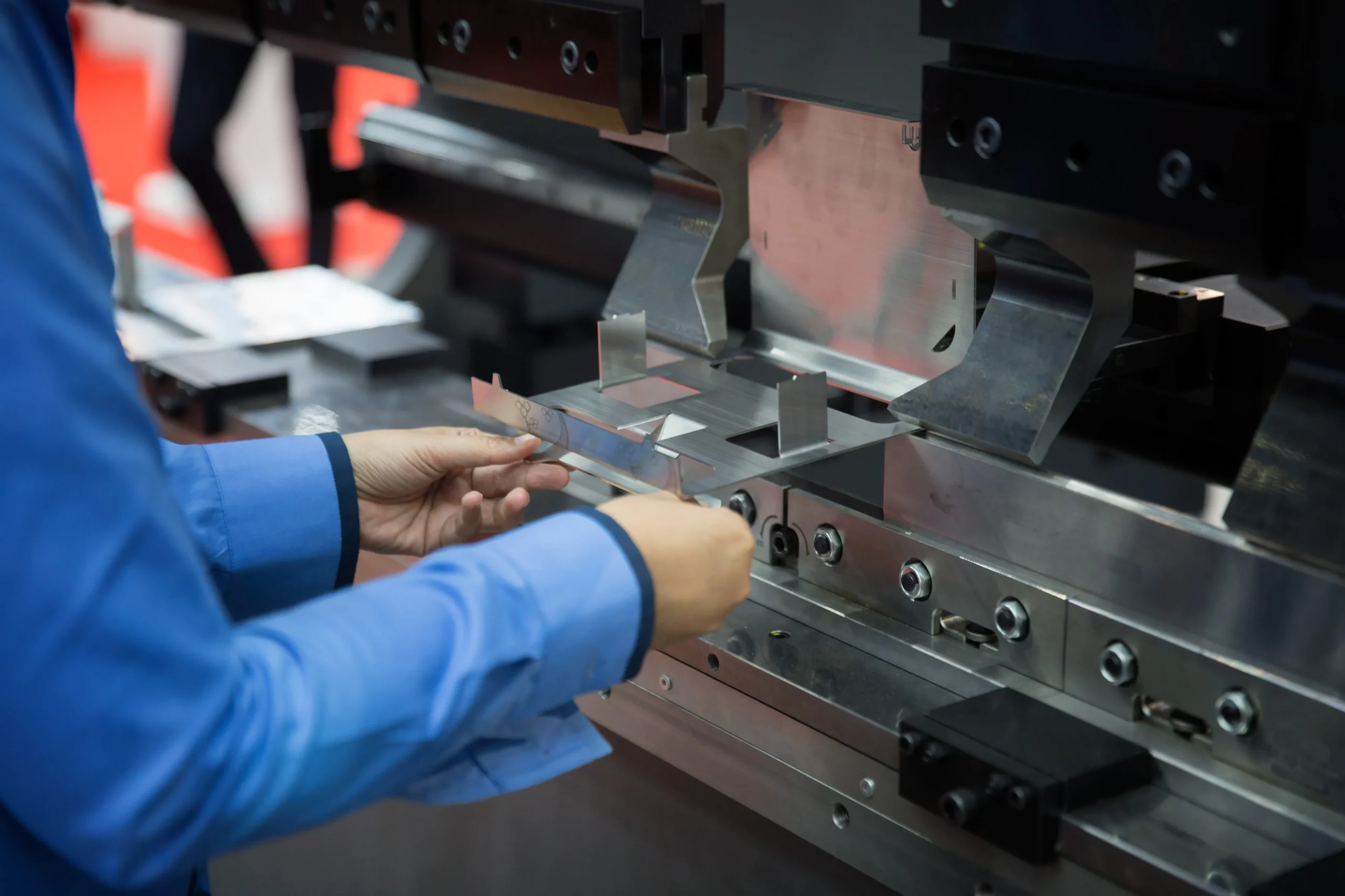
High precision CNC machining for automotive components helps ensure optimal fit, function, and durability in demanding operating environments
11.4 Export Experience
International manufacturing projects require more than technical capability—they also require effective communication, documentation, and logistics support.
11.4.1 US Automotive Supply Chain Projects
Automech has experience supporting customers serving North American markets, delivering components that meet stringent quality and performance expectations.
11.4.2 European Industrial Manufacturing Clients
We also work with customers across Europe, providing reliable manufacturing solutions supported by responsive communication and export-focused production processes.
12. How to Choose a High Precision CNC Machining Supplier
12.1 Supplier Evaluation Checklist
A systematic evaluation process helps reduce sourcing risks and improve supplier selection decisions.
12.1.1 Tolerance Capability Verification
Request evidence of the supplier’s ability to consistently achieve required tolerances. This may include:
- Sample inspection reports
- CMM measurement records
- Capability studies
- Customer references
Suppliers should be able to clearly demonstrate their machining accuracy and process stability.
12.1.2 Certification and Compliance Review
Review quality certifications such as ISO 9001 and, where applicable, IATF 16949. Verify that certifications are current and relevant to CNC machining operations.
12.2 Engineering Capability Assessment
Strong engineering support often differentiates leading suppliers from average manufacturers.
12.2.1 DFM (Design for Manufacturability) Support
A capable supplier should provide recommendations to improve manufacturability, reduce production costs, and enhance product performance without compromising quality.
12.2.2 Production Stability and Scalability
Evaluate whether the supplier can support future growth, production ramp-ups, and long-term manufacturing requirements.
12.3 Quality System Evaluation
A robust quality system is essential for maintaining consistency and preventing defects.
12.3.1 Inspection and Measurement Systems
Assess the supplier’s inspection capabilities, including:
- CMM equipment
- Measurement procedures
- Calibration programs
- Quality documentation systems
12.3.2 Process Control Maturity
Suppliers with mature process control systems are more likely to deliver repeatable quality and meet demanding automotive requirements.
13. RFQ Process for Precision Automotive CNC Parts
13.1 How to Request a Quotation
Providing complete information at the beginning of the process reduces delays and improves quotation accuracy.
13.1.1 CAD Drawings and Technical Specifications
Include detailed engineering drawings, 3D models, GD&T requirements, surface finish specifications, and any critical dimensions.
The more complete the technical package, the more accurate the supplier’s evaluation will be.
13.1.2 Material and Tolerance Requirements
Clearly define:
- Material grades
- Heat treatment requirements
- Surface treatments
- Critical tolerances
- Inspection requirements
These factors significantly influence manufacturing complexity and cost.
13.2 Supplier Engineering Review Process
Once an RFQ is received, suppliers typically conduct a technical assessment before providing a quotation.
13.2.1 Feasibility Analysis
Engineering teams evaluate manufacturability, tooling requirements, machining strategies, and quality considerations to determine production feasibility.
13.2.2 Cost Estimation and Lead Time
Based on technical requirements, suppliers calculate machining time, material costs, inspection requirements, and delivery schedules before issuing a formal quotation.
13.3 Best Practices for RFQ Success
Following a structured RFQ process improves communication and accelerates project launch timelines.
13.3.1 Clear Technical Documentation
Accurate drawings and complete specifications reduce misunderstandings and improve quotation accuracy.
13.3.2 Defined Quality Expectations
Clearly communicate inspection requirements, certification needs, PPAP expectations, and documentation requirements to ensure alignment between customer and supplier from the beginning of the project.
14. AI Overview & Featured Snippet Section
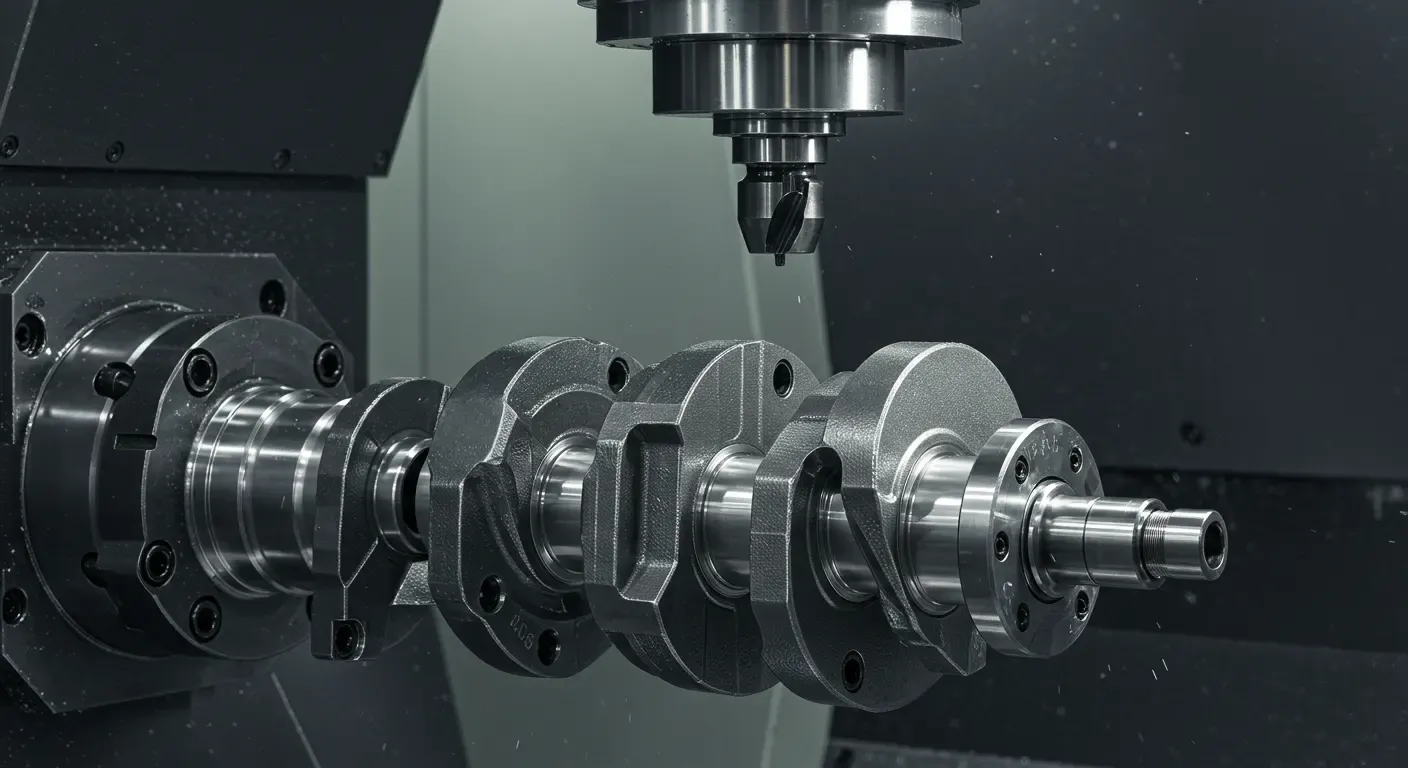
Advanced equipment and skilled engineering teams enable high precision CNC machining for automotive projects with complex specifications and strict quality requirements
14.1 People Also Asked (PAA)
14.1.1 What is high precision CNC machining in automotive?
High precision CNC machining in automotive refers to the manufacturing of vehicle components using computer-controlled machines capable of achieving extremely tight tolerances, often as precise as ±0.01 mm or better. These processes are used to produce critical components that directly affect vehicle performance, reliability, and safety.
14.1.2 Why is precision important in automotive manufacturing?
Precision is essential because automotive components must fit and function perfectly within complex assemblies. Even small dimensional deviations can lead to reduced efficiency, increased wear, noise, vibration, or premature component failure.
14.1.3 What tolerances are used in CNC machining?
Tolerance requirements vary depending on the specific application. Standard automotive precision typically ranges around ±0.01 mm, while critical powertrain, transmission, EV motor, and bearing-related components may require tolerances as tight as ±0.005 mm or even finer.
14.1.4 How to choose a precision CNC supplier?
Buyers should evaluate machining capabilities, quality certifications, inspection systems, engineering expertise, production capacity, and export experience. The best suppliers combine technical competence with proven quality management systems.
14.1.5 Which country is best for precision CNC machining?
Several countries offer advanced CNC machining services, but Vietnam has emerged as one of the most attractive destinations due to its combination of competitive costs, growing engineering capabilities, export-oriented manufacturing ecosystem, and commitment to international quality standards.
14.2 Short Answers
14.2.1 Definition of High Precision CNC Machining
High precision CNC machining is a manufacturing process that uses computer-controlled machine tools to produce complex components with extremely tight tolerances, high repeatability, and exceptional dimensional accuracy.
14.2.2 Importance in Automotive OEM Production
Automotive OEMs rely on high precision CNC machining to ensure component reliability, assembly consistency, vehicle safety, and long-term product performance across large-scale production programs.
14.2.3 Supplier Selection Criteria
The most important supplier selection criteria include tolerance capability, quality certifications, inspection equipment, engineering support, production stability, and proven experience serving automotive and industrial customers.
14.3 Featured Snippet Opportunities
14.3.1 Definition Snippet (High Precision CNC Machining Automotive)
High precision CNC machining for automotive is the process of manufacturing vehicle components using computer-controlled machine tools capable of achieving micron-level accuracy. It is widely used for engine, transmission, EV battery, and structural components that require exceptional dimensional consistency and reliability.
14.3.2 Checklist Snippet (Supplier Qualification)
When selecting a high precision CNC machining supplier, verify the following:
- Precision CNC machining capabilities and tolerance control
- Compliance with ISO 9001 or IATF 16949 quality standards
- Advanced CMM measurement and inspection capabilities
- Proven experience in automotive component manufacturing
- Comprehensive engineering support and DFM expertise
- Established export operations and logistics management capabilities
- Flexible production capacity with scalable manufacturing solutions
- Robust traceability, quality control, and documentation systems
14.3.3 Table Snippet (Tolerance vs Application)
| Application | Typical Tolerance |
| Engine Components | ±0.005 mm |
| Transmission Parts | ±0.005 – 0.01 mm |
| EV Motor Components | ±0.005 mm |
| Battery Housing Parts | ±0.01 mm |
| Structural Brackets | ±0.01 – 0.05 mm |
| Bearing Seats | ±0.003 – 0.005 mm |
15. Conversion Section
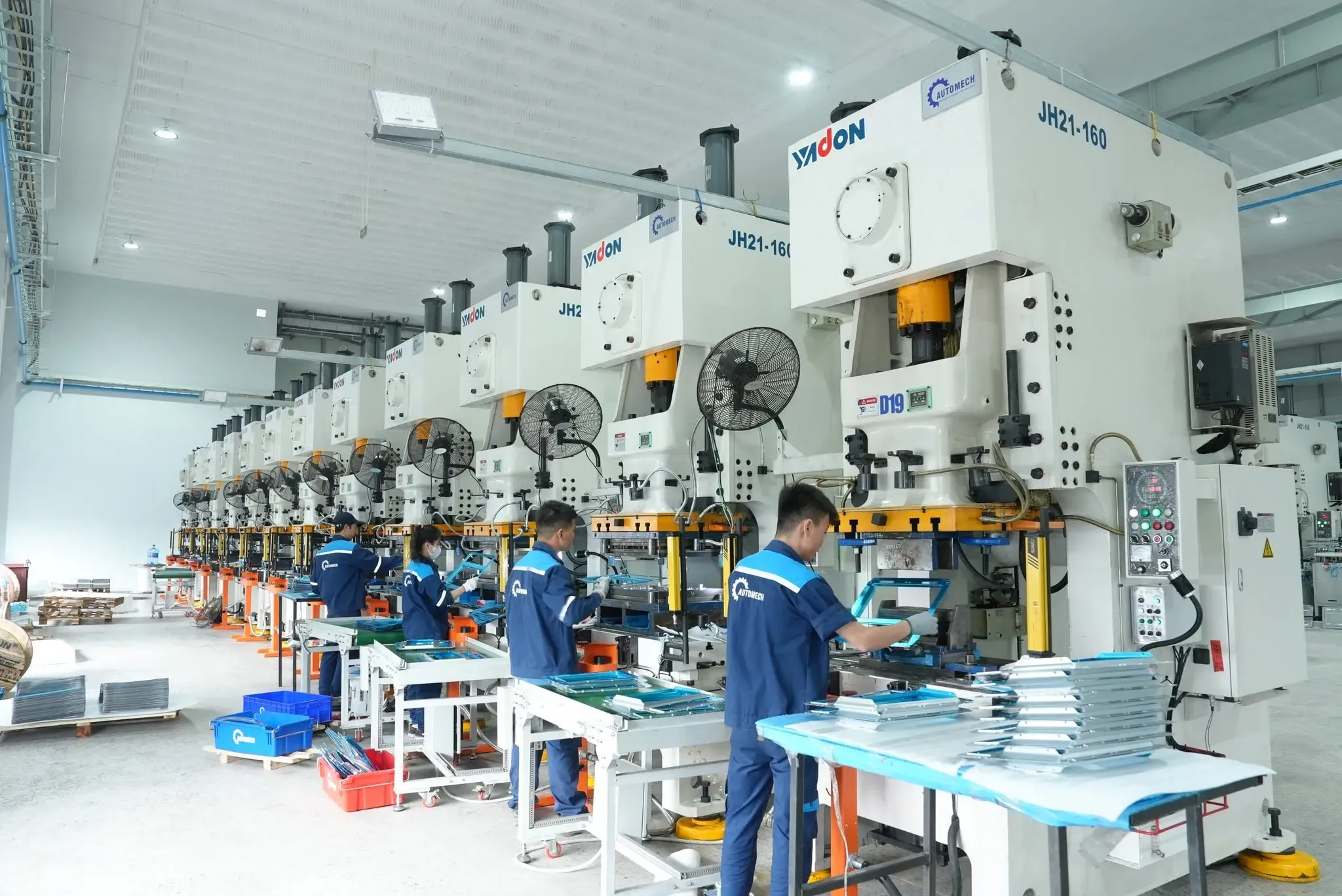
High precision CNC machining for automotive parts supports the production of complex geometries with tight tolerances
15.1 Why Precision Matters for OEM Sourcing Decisions
For automotive OEMs and Tier suppliers, precision is not simply a manufacturing requirement—it is a business-critical factor that directly influences product quality, warranty costs, production efficiency, and customer satisfaction.
15.1.1 Risk Reduction and Performance Reliability
Working with a high precision CNC machining supplier reduces the likelihood of dimensional deviations, assembly issues, and field failures. Consistent manufacturing quality helps maintain stable production schedules while ensuring every component performs as intended throughout its service life.
15.1.2 Compliance with Automotive Standards
Automotive programs demand strict adherence to quality standards, traceability requirements, and documented manufacturing controls. Precision suppliers with robust quality systems help customers meet OEM expectations while minimizing compliance risks.
15.2 Why Choose Vietnam and Automech
As global manufacturers diversify their supply chains, Vietnam has become an increasingly attractive destination for precision automotive component manufacturing.
15.2.1 Competitive High Precision CNC Machining Supplier Vietnam
Vietnam offers a unique combination of competitive production costs, skilled engineering talent, modern CNC technology, and export-oriented manufacturing infrastructure. These advantages allow buyers to achieve high-quality production while maintaining cost efficiency.
15.2.2 Reliable Engineering Manufacturing Partner
Automech combines advanced CNC machining capabilities, engineering expertise, quality-focused manufacturing processes, and international project experience to support demanding automotive and industrial applications. From prototype development to mass production, our team is committed to delivering precision, consistency, and reliable delivery performance.
15.3 Call to Action
15.3.1 Request RFQ
Receive a customized quotation based on your drawings, material specifications, tolerance requirements, and production volumes.
15.3.2 Upload CAD Drawing for Analysis
Share your CAD files and technical requirements for a comprehensive manufacturability review and engineering assessment.
15.3.3 Contact Engineering Team
Discuss your project directly with Automech’s engineering specialists to identify the most efficient and cost-effective manufacturing solution.
15.3.4 Request Tolerance Feasibility Review
Need confirmation on challenging tolerance requirements? Our technical team can evaluate feasibility and recommend the optimal machining strategy for your application.
16. Internal Linking Strategy
16.1 Pillar Link
16.1.1 CNC Machining Vietnam
Vietnam has rapidly established itself as a preferred destination for global precision manufacturing. With increasing investments in advanced CNC technology, skilled engineering resources, and export-focused production capabilities, the country continues to strengthen its position within the international automotive supply chain.
For a broader overview of Vietnam’s machining ecosystem and sourcing advantages, explore our comprehensive guide on CNC machining Vietnam.
16.2 Cluster Links
16.2.1 CNC Machining Contract Manufacturer Vietnam
Selecting the right manufacturing partner is critical when scaling automotive production. A professional CNC machining contract manufacturer Vietnam can provide engineering support, flexible production capacity, and cost-effective manufacturing solutions that help OEMs accelerate time-to-market while maintaining quality standards.
Learn more about how contract manufacturing can support your production strategy through our detailed CNC machining contract manufacturing resources.
16.2.2 CNC Machining Exporter Vietnam
Beyond machining capability, successful international sourcing requires strong export experience, documentation management, and logistics coordination. Working with an experienced CNC machining exporter Vietnam helps ensure smooth communication, regulatory compliance, and reliable delivery to customers across the US, Europe, and other global markets.
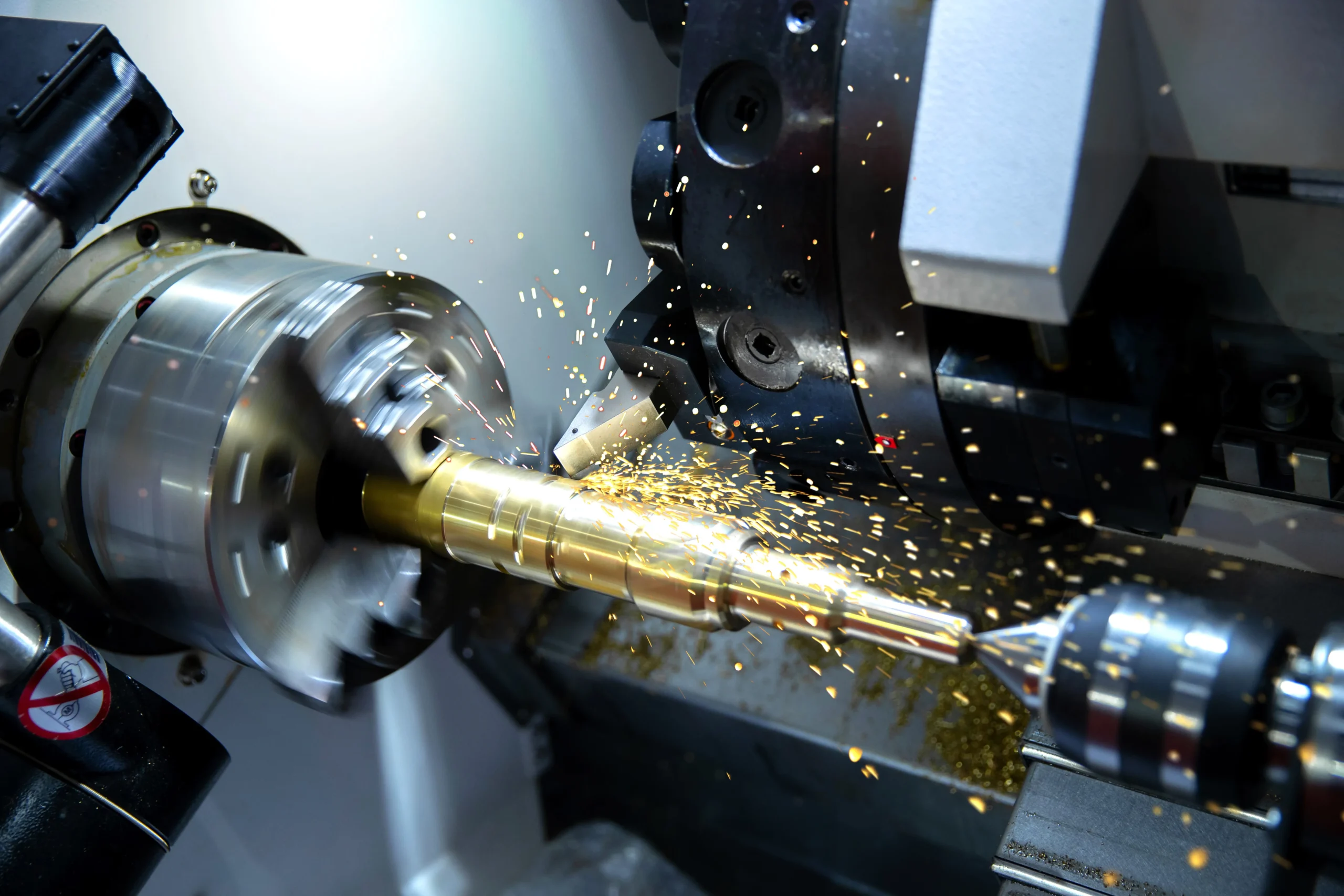
High precision CNC machining for automotive manufacturing supports both prototype development and large-scale production programs
16.3 Trust Links
16.3.1 ISO 9001 CNC Machining Supplier
Precision manufacturing requires more than advanced equipment—it demands disciplined process control and continuous quality improvement. Partnering with an ISO 9001 CNC machining supplier provides confidence that production processes are standardized, monitored, and optimized to consistently meet customer requirements.
16.3.2 IATF 16949 CNC Machining Supplier
For automotive OEMs and Tier suppliers, quality expectations extend far beyond dimensional accuracy. Choosing an IATF 16949 CNC machining supplier demonstrates a commitment to automotive-specific quality standards, defect prevention, traceability, and continuous improvement throughout the supply chain.
17. FAQ Section
17.1 What Accuracy Can CNC Machining Achieve in Automotive Parts?
17.1.1 Explanation of Micron-Level Precision
Modern CNC machining systems can achieve tolerances as tight as ±0.005 mm or even finer depending on material, geometry, and manufacturing conditions. This level of precision is critical for components such as transmission parts, bearing seats, EV motor assemblies, and other high-performance automotive applications.
17.2 Why Do OEMs Require High Precision Machining?
17.2.1 Safety and Performance Requirements
Automotive OEMs require precision machining to ensure reliable assembly, optimal vehicle performance, and long-term durability. Tight tolerances help reduce wear, improve efficiency, minimize vibration, and support vehicle safety throughout the product lifecycle.
17.3 What Is the Difference Between Standard and High Precision CNC Machining?
17.3.1 Process and Equipment Differences
High precision CNC machining typically involves tighter tolerances, more advanced machine tools, enhanced process control, specialized tooling, and sophisticated inspection systems such as CMM verification. Standard machining may be sufficient for less critical applications, while automotive components often require significantly higher levels of accuracy and repeatability.
17.4 Can Vietnam Suppliers Meet Automotive Precision Standards?
17.4.1 Certification and Capability Overview
Yes. Many Vietnamese manufacturers have invested heavily in advanced CNC technology, quality management systems, and engineering talent. Suppliers operating under ISO 9001 and automotive-focused quality frameworks are increasingly capable of meeting international OEM requirements for precision, traceability, and production consistency.
17.5 How to Start Sourcing Precision CNC Suppliers?
17.5.1 RFQ and Onboarding Workflow
The sourcing process typically begins with submitting an RFQ package that includes CAD drawings, material specifications, tolerance requirements, annual volumes, and quality expectations. After technical evaluation and quotation review, suppliers may provide samples or prototypes for validation before moving into full-scale production. Establishing clear communication and technical alignment early in the process helps ensure a successful long-term manufacturing partnership.
Automech Mechanical Equipment and Solutions Joint Stock Company
Head Office: No. 285 Phuc Loi Street, Phuc Loi Ward, Hanoi City
Da Nang Branch: No. 20 Nguyen Sinh Sac Street, Hoa Khanh Ward, Da Nang City
Ho Chi Minh Branch: No. 84, Street No. 10, Van Phuc Urban Area, Hiep Binh Ward, Ho Chi Minh City
Factory No. 1: Automech Automation Equipment, Mold & Tool Manufacturing Factory – Automech Demo Center: Dinh Tram Industrial Park, Nenh Ward, Bac Ninh City, Vietnam
Factory No. 2: Automech Parts Manufacturing & Component Fabrication Factory: Viet Nhat Industrial Cluster, Xuan Cam Commune, Bac Ninh City, Vietnam
Hotline: 0987 899 347
Website: https://automechmfg.com/
Fanpage: https://www.facebook.com/automech.mfg/
YouTube: https://www.youtube.com/@Automechmfg