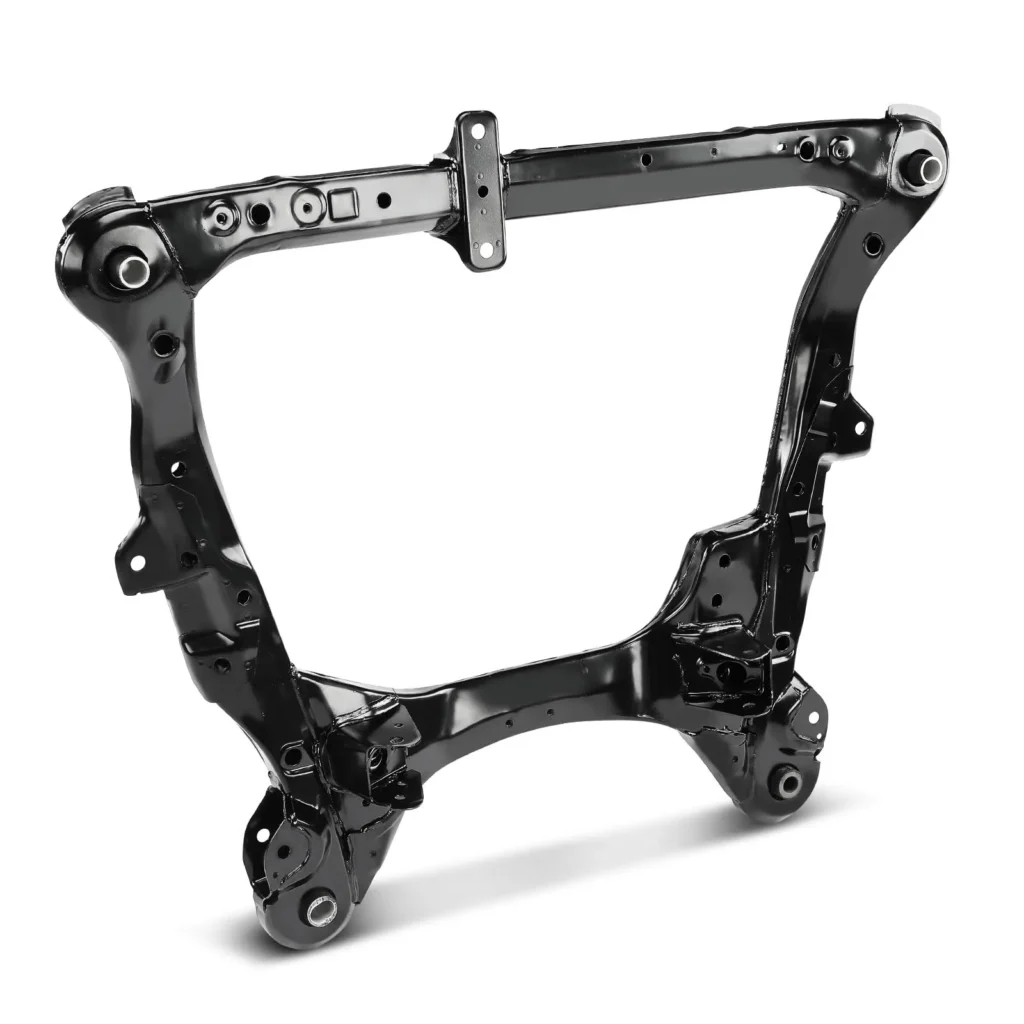
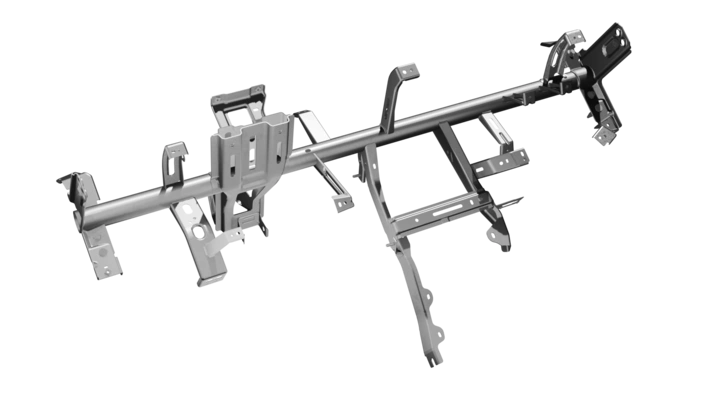
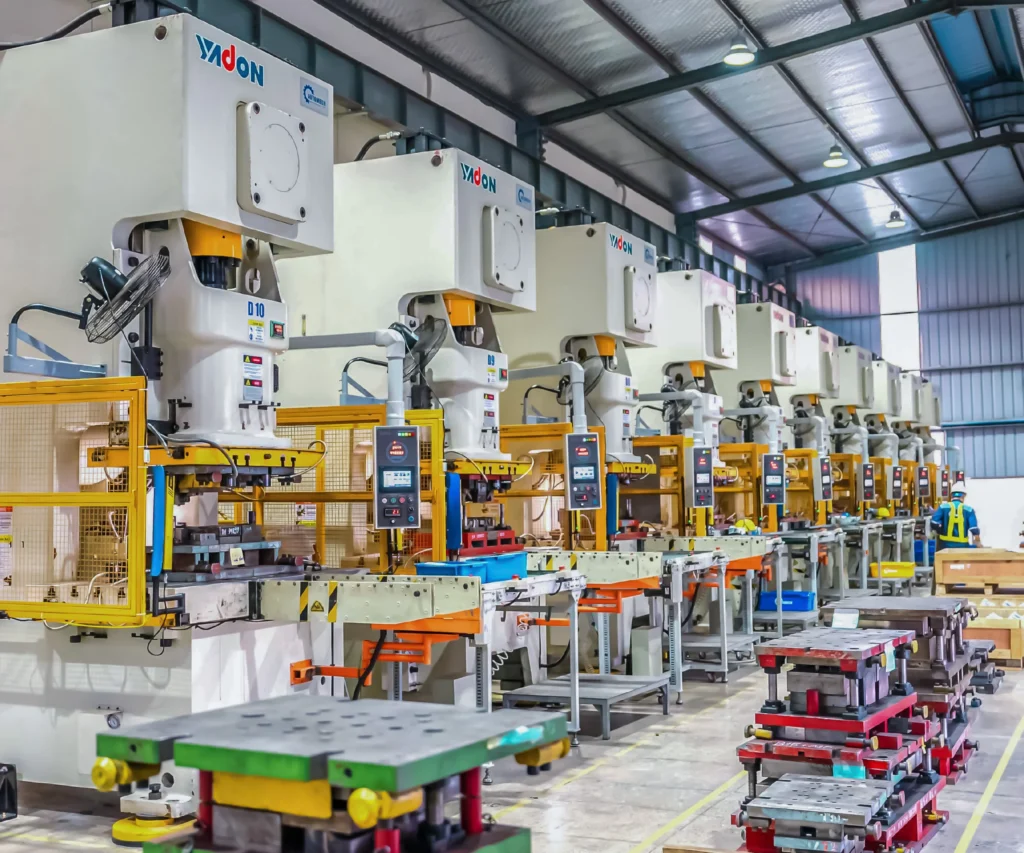
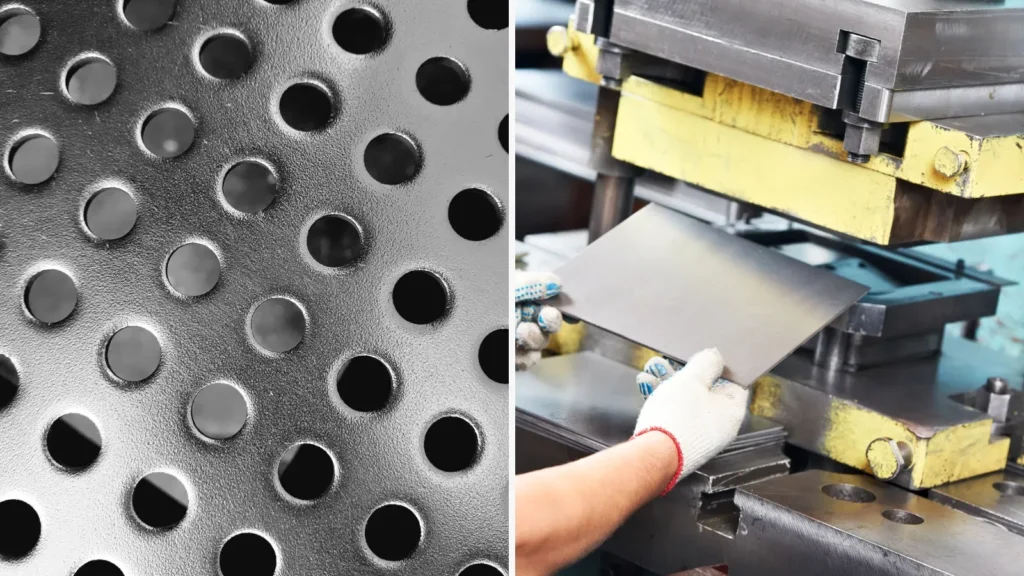
High precision CNC milling for automotive has become an essential manufacturing solution for OEMs and Tier suppliers producing increasingly complex vehicle components. From internal combustion engines (ICE) to hybrid and electric vehicles (EVs), automotive parts demand tighter tolerances, superior surface quality, and consistent repeatability throughout production. Advanced CNC milling enables manufacturers to produce precision components that meet stringent engineering specifications while supporting prototype development, validation, and high-volume manufacturing.
1. Introduction: High Precision CNC Milling for Automotive Manufacturing
1.1 Growing demand for precision automotive components
1.1.1 Increasing complexity of ICE, hybrid, and EV platforms
Modern vehicle platforms continue to evolve with more compact designs, lightweight structures, and increasingly sophisticated mechanical systems. Engine components, transmission assemblies, battery systems, and electronic modules all require precision-machined parts with complex geometries.
1.1.2 OEM requirements for tighter tolerances and repeatable quality
Automotive OEMs require every machined component to meet strict dimensional specifications across thousands of production parts. Tight tolerances help ensure accurate assembly, minimize production variation, and improve vehicle reliability. Consistent repeatability also reduces manufacturing defects and supports efficient large-scale production.
1.2 Why buyers search “High precision CNC milling for automotive”
1.2.1 Need for qualified precision machining suppliers
Automotive manufacturers look for machining suppliers capable of producing safety-critical and performance-critical components with stable quality. They evaluate suppliers based on machining capability, engineering expertise, inspection systems, and production capacity.
1.2.2 Engineering-driven supplier evaluation before RFQ
Before requesting a quotation, many buyers evaluate a supplier’s engineering capabilities rather than price alone. Factors such as DFM support, CAD/CAM programming expertise, quality management systems, and automotive manufacturing experience all influence supplier selection.
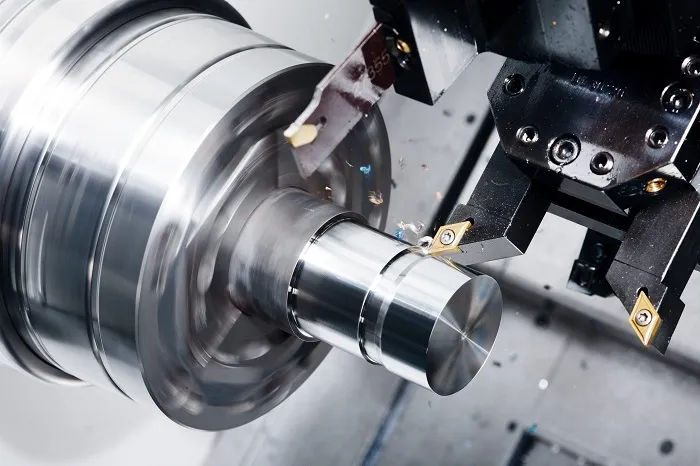
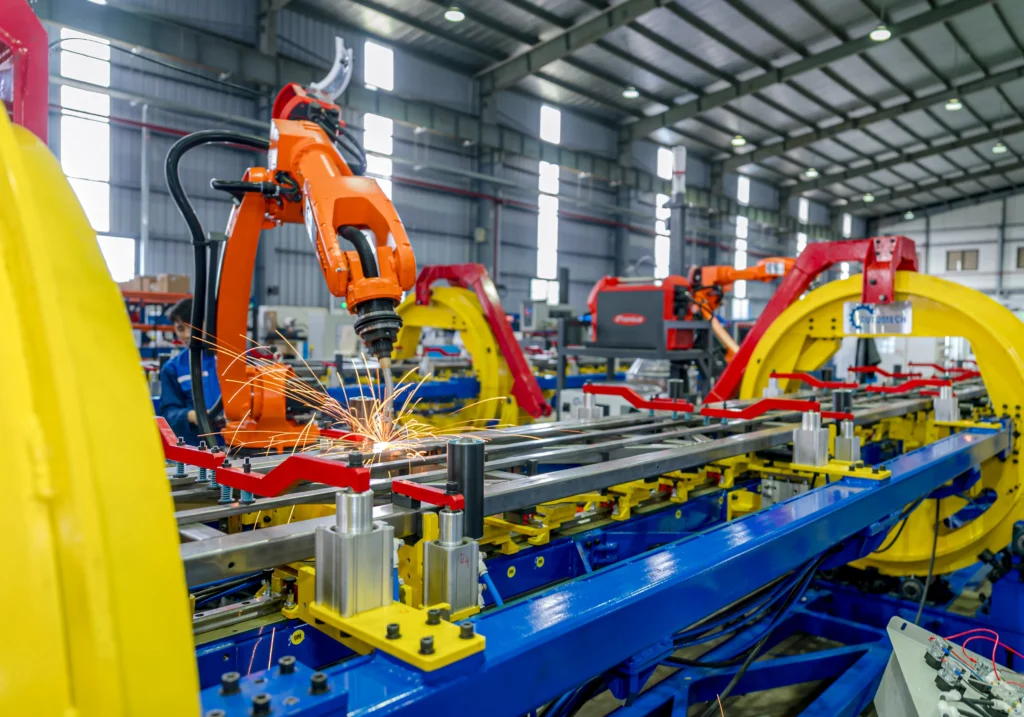
High Precision CNC Milling for Automotive applications ensures exceptional dimensional accuracy and consistent product quality
2. What is High Precision CNC Milling for Automotive?
2.1 Definition of high precision CNC milling
2.1.1 CNC milling process for tight-tolerance automotive parts
High precision CNC milling is a computer-controlled machining process used to manufacture automotive components with extremely accurate dimensions and consistent quality. Rotating cutting tools remove material according to programmed toolpaths generated from CAD/CAM software.
2.1.2 Difference between standard milling and high precision milling
Standard CNC milling is suitable for general industrial components where moderate tolerances are acceptable. High precision CNC milling requires more advanced machines, optimized machining strategies, precision fixtures, and comprehensive inspection procedures.
2.2 Role in automotive manufacturing
2.2.1 Production of complex metal and plastic components
Automotive manufacturing requires precision machining for aluminum, steel, stainless steel, and engineering plastic components. CNC milling produces brackets, housings, cooling plates, structural parts, battery enclosures, and many other critical components.
2.2.2 Support for prototype, validation, and mass production
High precision CNC milling supports every stage of automotive product development. Engineers use prototype machining for design validation before moving into pilot production and full-scale manufacturing.
3. Why Precision Matters in Automotive CNC Milling
3.1 Impact on vehicle performance
3.1.1 Dimensional accuracy for assembly fit
Automotive assemblies consist of hundreds of precision components that must fit together perfectly. Even small dimensional deviations can affect assembly efficiency, mechanical performance, and product reliability. High precision CNC milling ensures accurate interfaces, mounting points, and mating surfaces across every manufactured part.
3.1.2 Functional reliability in mechanical systems
Many automotive components operate under continuous mechanical loads, vibration, and temperature variation. Precision machining helps maintain proper alignment between moving parts and reduces unwanted friction or wear. Reliable dimensional accuracy contributes directly to long-term system performance.
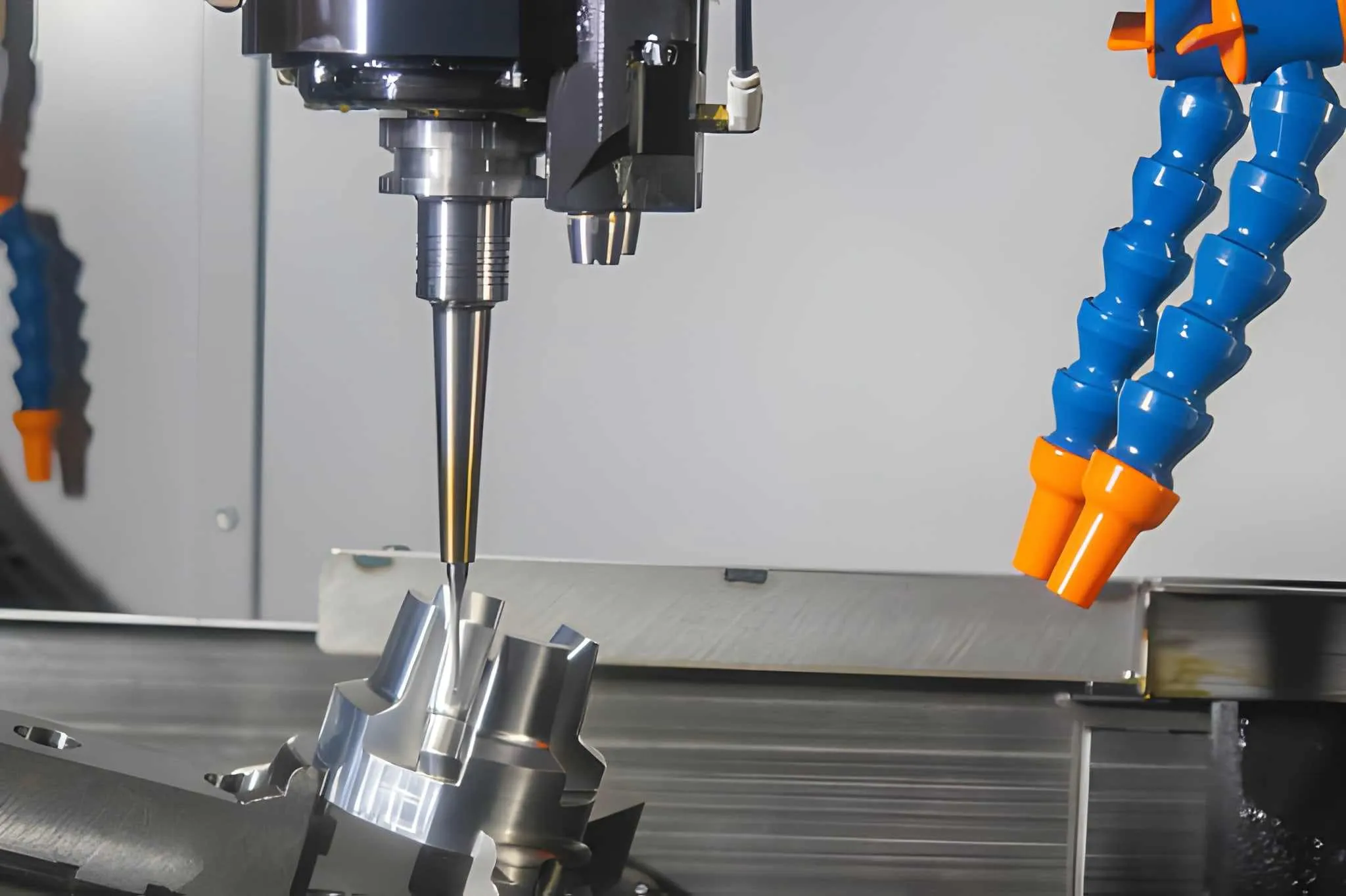
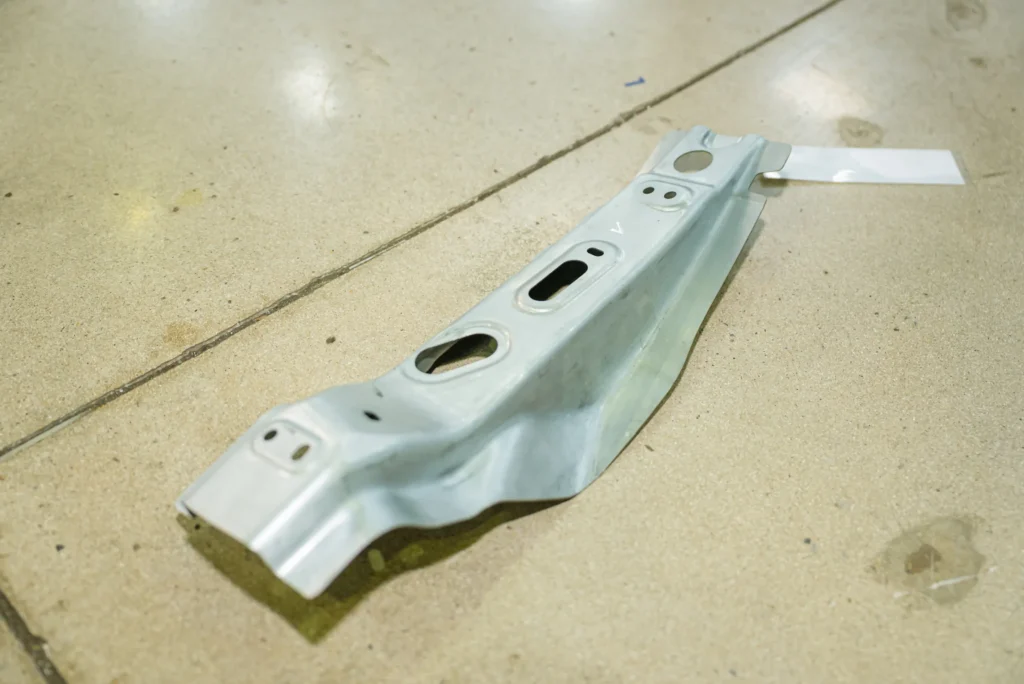
High Precision CNC Milling for Automotive ensures exceptional dimensional accuracy for critical vehicle components
3.2 Impact on safety and durability
3.2.1 Structural and load-bearing part performance
Load-bearing automotive components require accurate machining to distribute mechanical forces correctly throughout the structure. Precision manufacturing minimizes stress concentration caused by dimensional variation or improper assembly.
3.2.2 Long-term fatigue and vibration resistance
Vehicles experience continuous vibration and cyclic loading throughout their service life. Poor machining accuracy can accelerate fatigue failure or increase vibration within mechanical systems. High precision CNC milling helps improve fatigue resistance by maintaining consistent geometry and proper assembly alignment.
3.3 Impact on production efficiency
3.3.1 Reduced rework and scrap rates
Accurate machining reduces the number of rejected components caused by dimensional deviations. Stable production processes minimize rework, reduce scrap, and improve manufacturing efficiency.
3.3.2 Better consistency across production batches
Repeatability is essential for automotive manufacturing, where thousands of identical components are produced over extended production cycles. Precision CNC milling maintains consistent quality from the first part to the last. Stable production improves assembly efficiency and simplifies quality management.
4. CNC Milling vs General CNC Machining for Automotive
4.1 CNC milling in automotive applications
4.1.1 Complex surfaces, slots, holes, pockets, and profiles
CNC milling is widely used for automotive components that contain multiple machining features, including flat surfaces, precision holes, slots, pockets, contours, and sealing interfaces. The process allows engineers to manufacture highly complex geometries with excellent dimensional control.
4.1.2 Multi-axis machining for high-complexity parts
Advanced 4-axis and 5-axis CNC milling machines allow multiple surfaces to be machined in a single setup. This reduces positioning errors while improving dimensional consistency across complex automotive components. Multi-axis machining also shortens production time for intricate parts.
4.2 CNC turning in automotive applications
4.2.1 Shafts, bushings, pins, and round parts
CNC turning is typically used to manufacture rotational components such as shafts, bushings, sleeves, rollers, and precision pins. Because the workpiece rotates during machining, turning offers excellent productivity for cylindrical parts. It complements CNC milling in many automotive manufacturing projects.
4.2.2 Rotational component manufacturing
Automotive drivetrains contain numerous rotational components that require accurate concentricity and smooth surface finishes. CNC turning efficiently produces these parts while maintaining consistent dimensional accuracy.
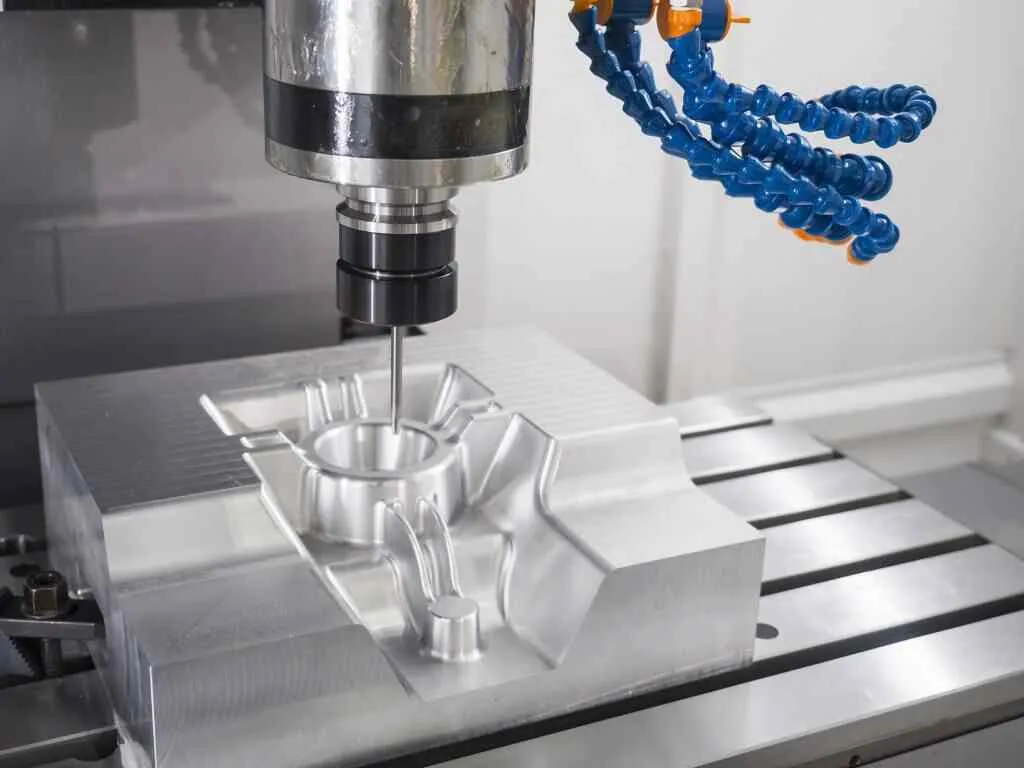
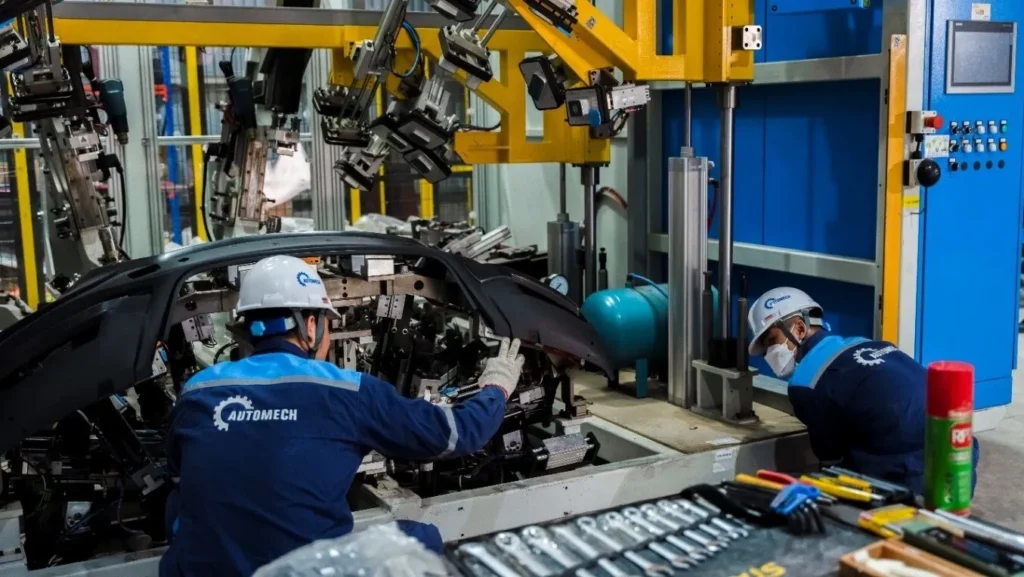
Manufacturers rely on High Precision CNC Milling for Automotive to produce complex parts with consistent quality and repeatability
4.3 When CNC milling is the better process
4.3.1 Non-rotational geometry
Components with irregular shapes, flat surfaces, deep pockets, angled features, and complex profiles are better suited to CNC milling than turning. Milling provides significantly greater flexibility for engineering complex automotive designs.
4.3.2 Multi-face machining requirements
Many automotive components require machining on several sides while maintaining precise positional relationships between features. Multi-axis CNC milling reduces the number of setups required and improves dimensional consistency.
4.3.3 Tight tolerance automotive assemblies
When assembly accuracy is critical, CNC milling provides superior control over feature positioning, flatness, hole location, and mating surfaces. Precision machining ensures that assembled components function correctly without additional adjustment.
5. Automotive Parts That Require High Precision CNC Milling
5.1 Engine and powertrain components
5.1.1 Housings, brackets, covers, and mounting parts
Engine and powertrain systems contain numerous precision-machined housings, brackets, covers, and mounting components. These parts must maintain accurate dimensions to ensure proper assembly and reliable operation under demanding conditions.
5.1.2 Precision interfaces and sealing surfaces
Sealing surfaces and precision interfaces directly affect engine efficiency, lubrication, and cooling performance. CNC milling creates flat, smooth, and accurately positioned surfaces that minimize leakage and improve component fit.
5.2 Transmission and drivetrain parts
5.2.1 Gearbox housings and machined supports
Transmission systems require gearbox housings and structural supports with high dimensional accuracy. CNC milling produces these complex components while maintaining precise bearing locations, mounting surfaces, and internal features. Accurate machining ensures smooth gearbox assembly and efficient power transmission.
5.2.2 Components requiring accurate alignment
Many drivetrain components depend on precise alignment to reduce friction and mechanical wear. CNC milling achieves tight positional tolerances for holes, bearing seats, and mating surfaces that directly influence drivetrain performance.
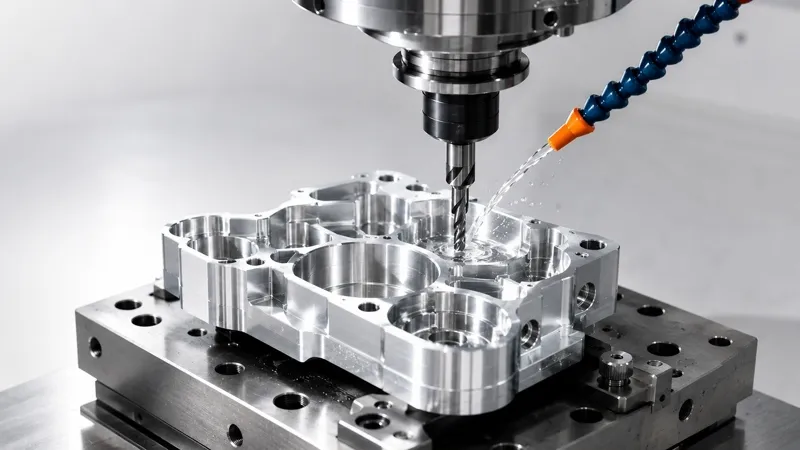
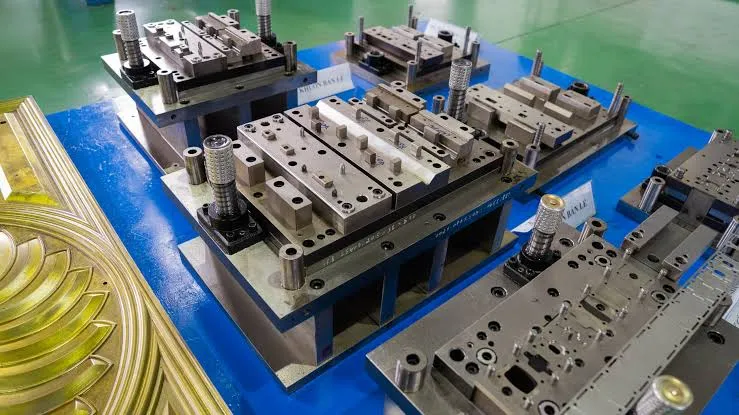
High Precision CNC Milling for Automotive supports the production of engine blocks, transmission housings, and suspension components.
5.3 EV and battery system components
5.3.1 Battery housings and cooling plates
Electric vehicle battery systems rely on precision-machined battery housings and cooling plates to protect cells and manage operating temperatures. CNC milling produces these aluminum components with complex internal features, sealing surfaces, and mounting interfaces.
5.3.2 Lightweight structural parts
Weight reduction is a major objective in EV manufacturing. High precision CNC milling enables the production of lightweight structural components that maintain excellent mechanical strength while reducing overall vehicle weight.
5.4 Chassis and structural components
5.4.1 Mounting brackets
Precision mounting brackets are widely used throughout modern vehicles to support suspension systems, electrical modules, sensors, and structural assemblies. CNC milling ensures these components meet strict dimensional requirements while maintaining excellent repeatability.
5.4.2 Precision aluminum structural parts
Aluminum structural components combine lightweight construction with high mechanical performance. CNC milling manufactures these parts with complex geometries, tight tolerances, and excellent surface quality.
6. Tolerance Requirements in Automotive CNC Milling
6.1 Common automotive tolerance ranges
6.1.1 Standard precision tolerance requirements
General automotive components typically require standard precision tolerances that ensure reliable assembly without excessive manufacturing cost. These tolerances are suitable for brackets, covers, mounting plates, and non-critical structural parts.
6.1.2 Tight tolerance examples such as ±0.01 mm
Many functional automotive components require tighter tolerances around ±0.01 mm to ensure accurate assembly and mechanical performance. These include bearing seats, sealing surfaces, precision interfaces, and critical mounting features. Achieving this level of accuracy requires advanced CNC equipment, optimized machining strategies, and comprehensive quality inspection.
6.1.3 Ultra-precision examples such as ±0.005 mm if applicable
Certain high-performance automotive applications may require ultra-precision tolerances approaching ±0.005 mm. These components often involve advanced drivetrain systems, precision tooling, or specialized engineering applications. Such requirements demand highly stable machining environments and rigorous inspection procedures.
6.2 Factors affecting tolerance capability
6.2.1 Machine accuracy and calibration
The precision of CNC milling depends heavily on machine rigidity, positioning accuracy, and regular calibration. Well-maintained equipment minimizes positioning errors and ensures consistent machining performance throughout long production runs. Preventive maintenance is essential for maintaining tight tolerances.
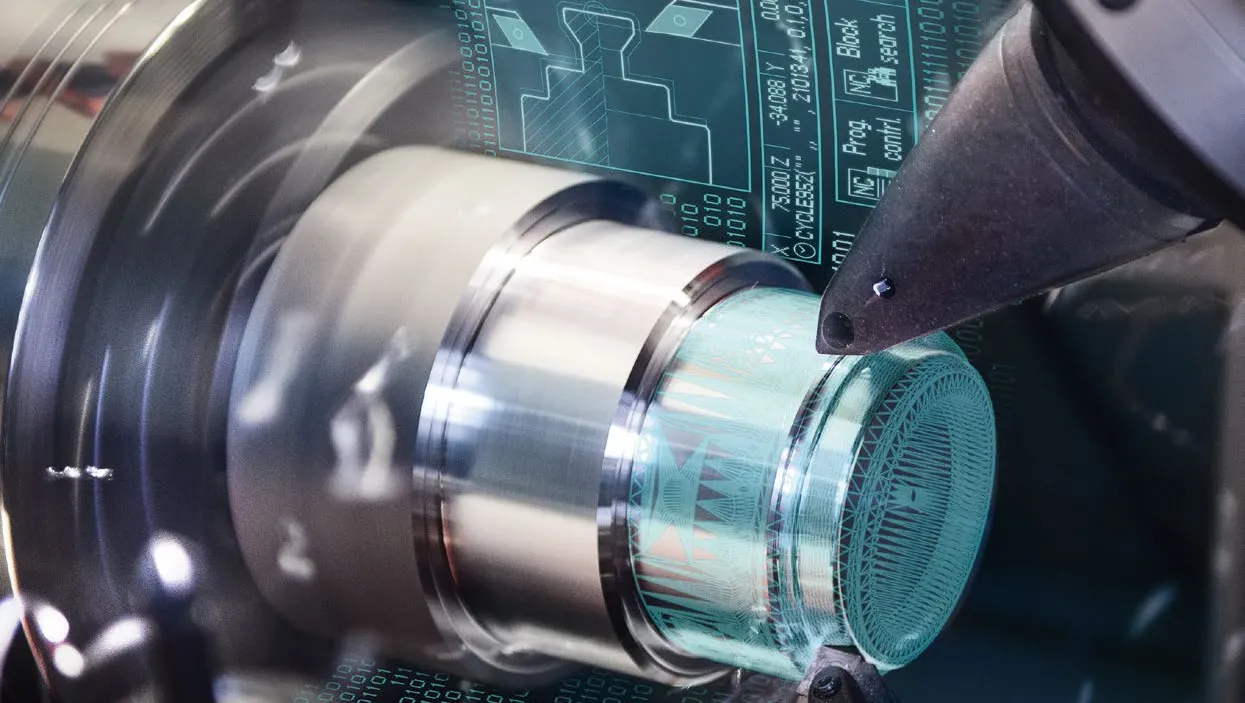
Manufacturers rely on High Precision CNC Milling for Automotive components to meet strict industry standards and performance requirements
6.2.2 Tool wear and cutting strategy
Cutting tools gradually wear during production, affecting dimensional accuracy and surface finish. Optimized cutting strategies and scheduled tool replacement help maintain stable machining quality. Proper tool management is especially important for tight-tolerance automotive components.
6.2.3 Fixture design and workholding stability
Stable workholding prevents movement or vibration during machining, directly influencing dimensional accuracy. Custom fixtures ensure repeatable positioning across multiple production batches while reducing setup variation. Well-designed fixtures are essential for high-precision manufacturing.
6.2.4 Material behavior and thermal expansion
Different materials respond differently to cutting forces and temperature changes during machining. Thermal expansion and internal material stress can influence final dimensions if not properly controlled. Engineers consider these factors when selecting machining parameters and inspection methods.
6.3 Tolerance level vs automotive application table
6.3.1 General brackets and housings
| Component Type | Typical Tolerance Requirement |
| Mounting brackets | Standard precision |
| Covers and housings | Standard to medium precision |
| Structural supports | Standard precision |
6.3.2 Functional interfaces and mating surfaces
| Component Type | Typical Tolerance Requirement |
| Bearing seats | Tight precision |
| Sealing surfaces | Tight precision |
| Precision mounting interfaces | Tight precision |
6.3.3 Safety-critical precision components
| Component Type | Typical Tolerance Requirement |
| High-performance powertrain components | Very tight precision |
| Critical automotive assemblies | Tight to ultra-precision |
| Custom-engineered components | Application-specific precision |
7. Materials Used in Automotive CNC Milling
7.1 Aluminum CNC milling
7.1.1 Lightweight automotive components
Aluminum is one of the most commonly used materials in automotive CNC milling because of its excellent machinability and lightweight properties. It enables manufacturers to reduce vehicle weight while maintaining structural performance. Precision aluminum machining is widely applied to engine, chassis, and EV components.
7.1.2 EV battery and thermal management parts
Electric vehicle battery systems require lightweight aluminum components with excellent thermal conductivity. CNC milling produces battery trays, cooling plates, motor housings, and structural supports that contribute to efficient thermal management.
7.2 Steel and stainless steel
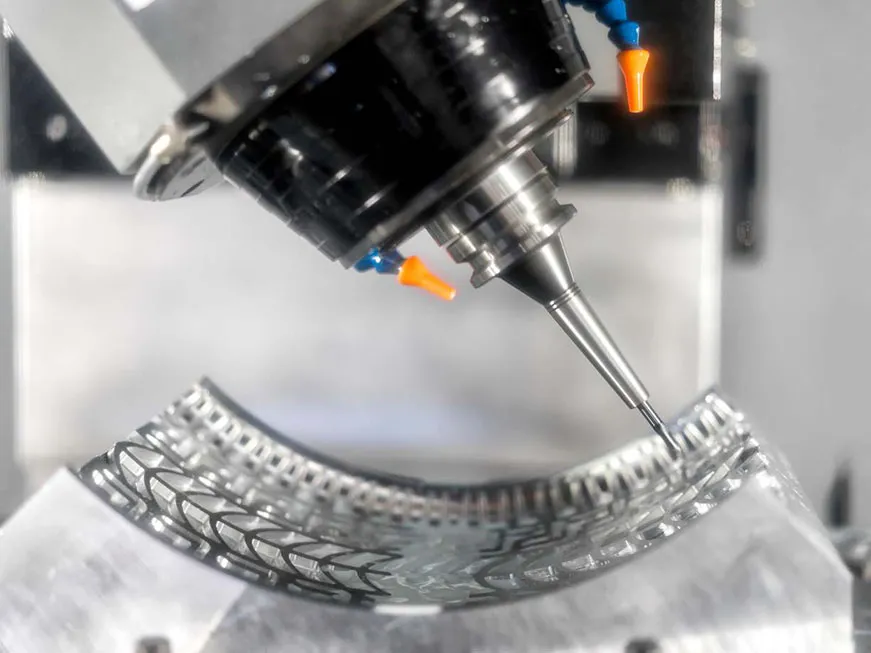
Advanced machining technology enables High Precision CNC Milling for Automotive applications with tight tolerances and superior surface finishes
7.2.1 High-strength automotive mechanical parts
Carbon steel and alloy steel are selected for components that require high mechanical strength and wear resistance. CNC milling produces transmission components, fixtures, structural supports, and heavy-duty mechanical parts capable of operating under demanding conditions.
7.2.2 Corrosion-resistant components
Stainless steel is commonly used for automotive components exposed to moisture, chemicals, or harsh environments. Its corrosion resistance and mechanical durability make it suitable for exhaust systems, fluid handling components, and specialized structural applications.
7.3 Engineering plastics
7.3.1 Lightweight functional components
Engineering plastics such as POM, Nylon, PTFE, and PEEK are increasingly used for lightweight automotive components. These materials reduce weight while providing excellent wear resistance and dimensional stability. CNC milling enables the production of highly accurate plastic components for specialized applications.
7.3.2 Insulation and low-friction applications
Engineering plastics are widely used for electrical insulation, sliding mechanisms, guides, bushings, and low-friction assemblies. Their excellent chemical resistance and low maintenance requirements make them valuable for modern automotive systems.
7.4 Material selection factors
7.4.1 Strength-to-weight ratio
Material selection begins by balancing mechanical strength with overall vehicle weight. Lightweight materials improve fuel efficiency and EV driving range while maintaining required structural performance. Engineers carefully evaluate these trade-offs for each application.
7.4.2 Machinability
Materials with better machinability generally reduce production time, improve surface quality, and extend cutting tool life. Selecting materials that match machining capability helps improve manufacturing efficiency while controlling production costs.
7.4.3 Thermal stability
Automotive components often operate under varying temperatures and thermal loads. Materials should maintain dimensional stability throughout their operating range to ensure reliable assembly and long-term performance. Thermal behavior is therefore an important consideration during material selection.
7.4.4 Cost and availability
The final material choice also depends on raw material cost, supply availability, and overall project budget. Engineers seek the optimal balance between mechanical performance, manufacturing efficiency, and commercial competitiveness. Selecting the appropriate material helps maximize long-term product value.
8. Automotive Aluminum CNC Milling Applications
8.1 Why aluminum is widely used in automotive milling
8.1.1 Lightweighting for fuel efficiency and EV range
Reducing vehicle weight is one of the most effective ways to improve fuel economy and extend electric vehicle driving range. Aluminum provides an excellent combination of low density and high structural performance, making it the preferred material for many precision automotive components.
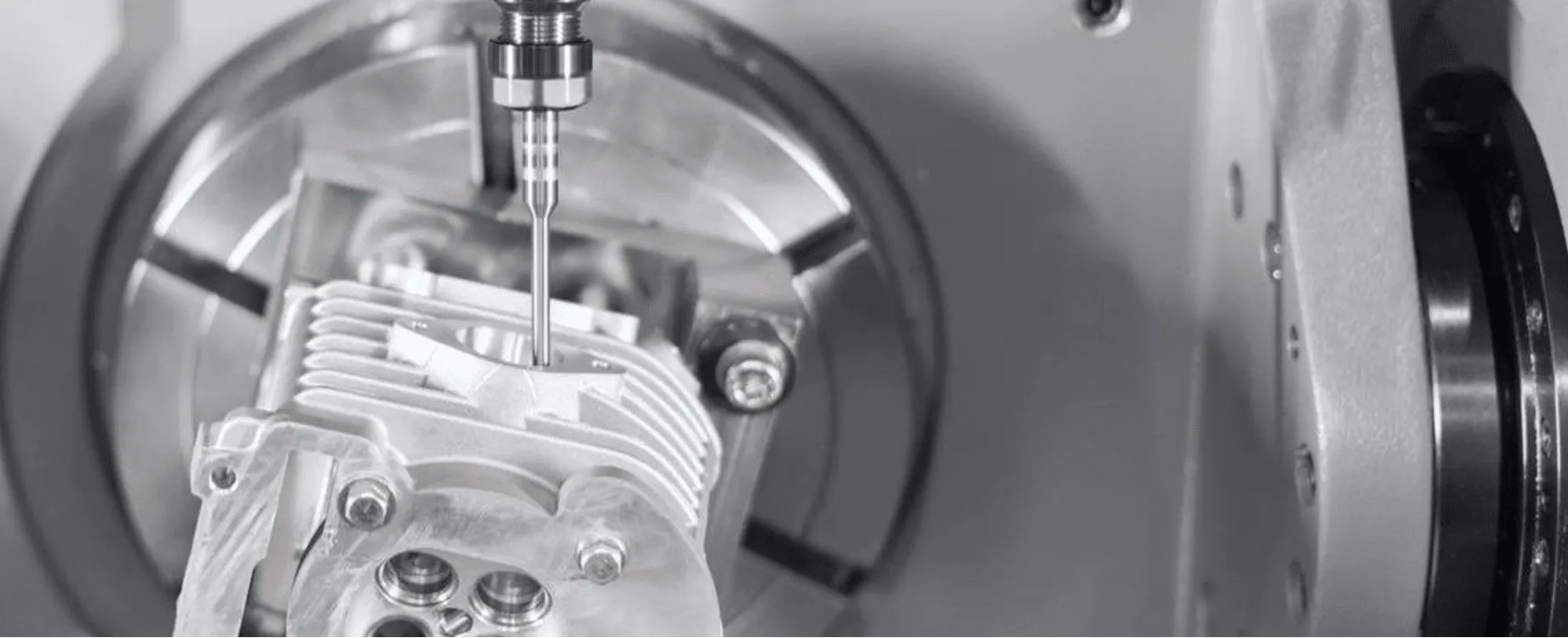
By implementing High Precision CNC Milling for Automotive, suppliers can improve production efficiency while minimizing material waste
8.1.2 High strength-to-weight performance
Modern aluminum alloys deliver excellent mechanical strength while remaining significantly lighter than steel. This combination allows engineers to design strong yet lightweight automotive structures that improve efficiency without compromising durability. CNC milling supports the production of these advanced aluminum components with exceptional accuracy.
8.2 Common aluminum CNC milled automotive parts
8.2.1 Battery housings
Battery housings require precision-machined sealing surfaces, mounting features, and structural integrity to protect high-voltage battery systems. CNC milling ensures accurate dimensions while supporting lightweight EV designs.
8.2.2 Mounting brackets
Aluminum mounting brackets are used extensively throughout modern vehicles to support electrical modules, battery systems, cooling assemblies, and structural components. Precision machining ensures reliable installation and repeatable assembly performance.
8.2.3 Heat sinks and cooling components
Heat sinks, cooling plates, and thermal management components require intricate machining to maximize heat transfer efficiency. CNC milling produces these complex features while maintaining excellent surface quality and dimensional accuracy.
8.2.4 Electronic enclosures
Automotive electronic control units require lightweight aluminum enclosures that protect sensitive electronics while dissipating heat efficiently. CNC milling creates precise openings, mounting features, and sealing surfaces for these critical components.
8.3 Aluminum milling challenges
8.3.1 Burr formation control
Because aluminum is relatively soft, burr formation can occur during machining if cutting conditions are not properly optimized. Appropriate cutting tools, machining parameters, and deburring processes help maintain clean edges and excellent product quality.
8.3.2 Surface finish consistency
Many automotive aluminum components require consistent cosmetic appearance in addition to dimensional accuracy. Stable machining conditions and optimized toolpaths help achieve smooth, uniform surface finishes throughout production.
8.3.3 Dimensional stability after machining
Thin-wall aluminum components may experience deformation if machining forces are not properly controlled. Careful fixture design, optimized cutting strategies, and balanced machining sequences help maintain dimensional stability after production.
9. 3-Axis, 4-Axis, and 5-Axis CNC Milling for Automotive Parts
9.1 3-axis CNC milling
9.1.1 Cost-effective machining for simpler geometries
3-axis CNC milling is the most widely used machining method for automotive components with relatively simple geometries. It efficiently produces flat surfaces, holes, slots, and pockets while maintaining good dimensional accuracy. This process is ideal for standard mechanical parts that do not require machining from multiple angles.
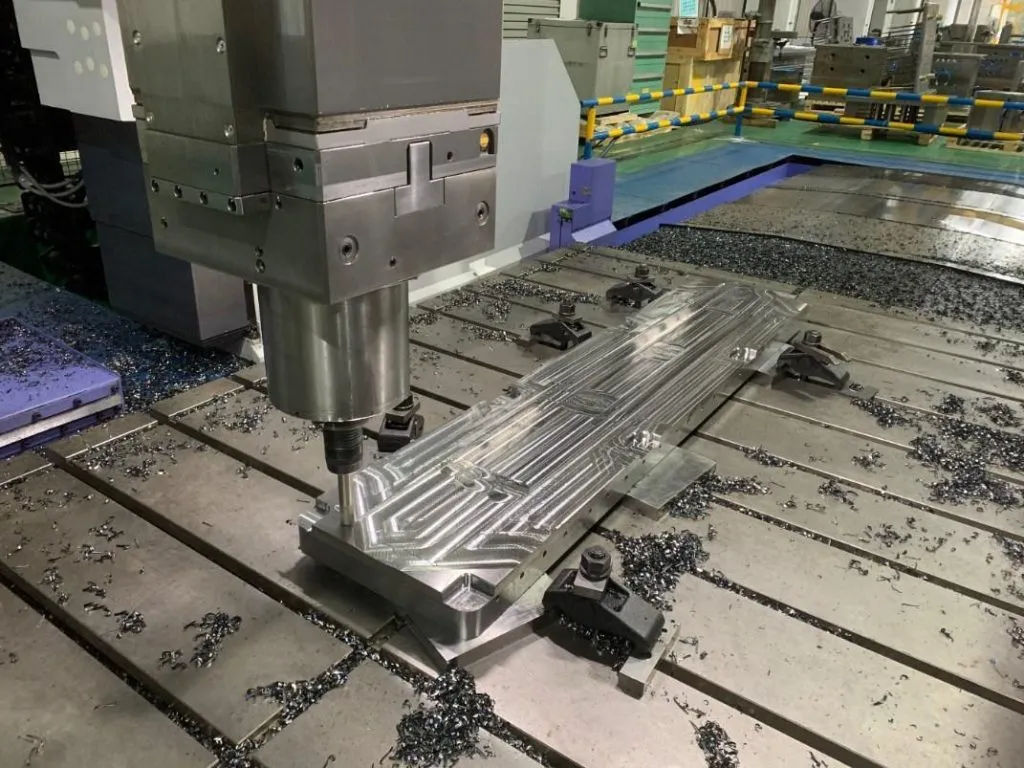
Advanced machining centers support High Precision CNC Milling for Automotive parts with excellent repeatability and process stability
9.1.2 Brackets, plates, and basic housings
Many automotive brackets, mounting plates, covers, and simple housings are manufactured using 3-axis CNC milling. These components require reliable dimensional control without the complexity of simultaneous multi-axis machining. Stable production and lower machining costs make 3-axis milling suitable for high-volume manufacturing.
9.2 4-axis CNC milling
9.2.1 Multi-side machining with fewer setups
4-axis CNC milling introduces a rotary axis that allows parts to be machined on multiple sides without repeated manual repositioning. Fewer setups improve productivity while reducing alignment errors between machining operations. This capability is especially useful for automotive components containing features on several faces.
9.2.2 Improved repeatability for automotive components
Automotive production demands consistent dimensional accuracy across thousands of identical parts. By minimizing manual handling, 4-axis machining improves positional repeatability and reduces production variation. It is commonly used for gearbox housings, mounting components, and precision structural parts requiring multiple machining operations.
9.3 5-axis CNC milling
9.3.1 Complex geometry and high precision surfaces
5-axis CNC milling enables simultaneous machining from multiple directions, making it ideal for highly complex automotive components. Engineers can produce intricate contours, deep cavities, angled surfaces, and complex interfaces in a single setup.
9.3.2 Reduced setup error for advanced automotive parts
Because most machining operations are completed without repositioning the workpiece, 5-axis CNC milling minimizes cumulative setup errors. This improves dimensional consistency for critical automotive components such as EV battery housings, precision structural parts, and advanced powertrain components. The technology also supports superior surface finish quality.
9.4 Process selection criteria
9.4.1 Geometry complexity
The complexity of the part geometry is one of the most important factors when selecting a CNC milling process. Simple components can usually be produced efficiently using 3-axis machines, while complex multi-surface parts often require 4-axis or 5-axis machining.
9.4.2 Tolerance requirement
Parts requiring tighter dimensional tolerances generally benefit from advanced multi-axis machining because fewer setups reduce positioning errors. Critical automotive assemblies often require machining strategies that prioritize dimensional consistency over machining speed.
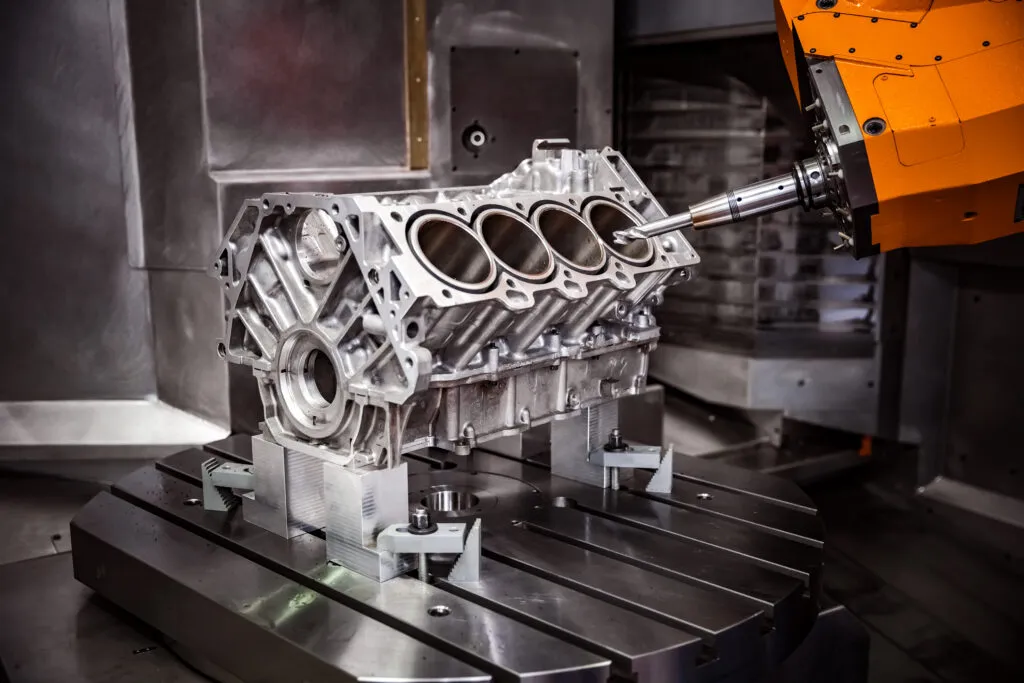
High Precision CNC Milling for Automotive is suitable for both prototype development and high-volume manufacturing programs
9.4.3 Production volume and cost target
Production quantity also influences the most suitable machining solution. High-volume manufacturing may justify more advanced machining strategies that reduce cycle time and improve repeatability. Prototype or low-volume production may prioritize flexibility over maximum productivity.
10. Surface Finish and Dimensional Accuracy Requirements
10.1 Surface roughness requirements
10.1.1 Functional surface finish
Many automotive components require specific surface roughness values to ensure proper mechanical performance. Bearing seats, sliding surfaces, and contact interfaces rely on controlled surface finishes to reduce friction and wear. Optimized cutting parameters help achieve these functional requirements consistently.
10.1.2 Sealing and mating surface requirements
Sealing surfaces must be machined with high flatness and smoothness to prevent fluid leakage. Mating surfaces also require excellent dimensional consistency to ensure proper assembly between multiple components. High precision CNC milling provides the surface quality necessary for these critical applications.
10.2 Dimensional accuracy requirements
10.2.1 Critical dimensions and GD&T controls
Automotive engineering drawings often specify critical dimensions using GD&T (Geometric Dimensioning and Tolerancing) standards. Features such as position, concentricity, profile, and flatness directly affect product functionality. Precision CNC milling helps manufacturers consistently meet these engineering requirements.
10.2.2 Hole position, flatness, parallelism, and perpendicularity
Many automotive assemblies depend on precise hole locations and accurate geometric relationships between machined surfaces. Maintaining flatness, parallelism, and perpendicularity ensures components assemble correctly without additional adjustment.
10.3 Factors influencing finish and accuracy
10.3.1 Toolpath optimization
Efficient toolpath planning reduces unnecessary tool movement while improving cutting stability. Optimized machining strategies help produce smoother surfaces and more consistent dimensional accuracy. CAM programming therefore plays an important role in overall machining quality.
10.3.2 Cutting parameters
Spindle speed, feed rate, cutting depth, and tool engagement all influence machining performance. Properly selected cutting parameters improve surface finish while minimizing vibration and tool wear. Stable cutting conditions also contribute to better dimensional consistency.
10.3.3 Coolant and chip evacuation
Effective coolant delivery reduces cutting temperature and improves tool life during machining. Efficient chip evacuation prevents chip recutting, which can damage surface quality and affect dimensional accuracy. Good coolant management is particularly important during high-speed machining operations.
10.3.4 Material stability
Material characteristics such as hardness, internal stress, and thermal expansion influence final machining results. Engineers consider these properties when selecting machining strategies and inspection methods. Proper process control helps maintain dimensional stability throughout production.
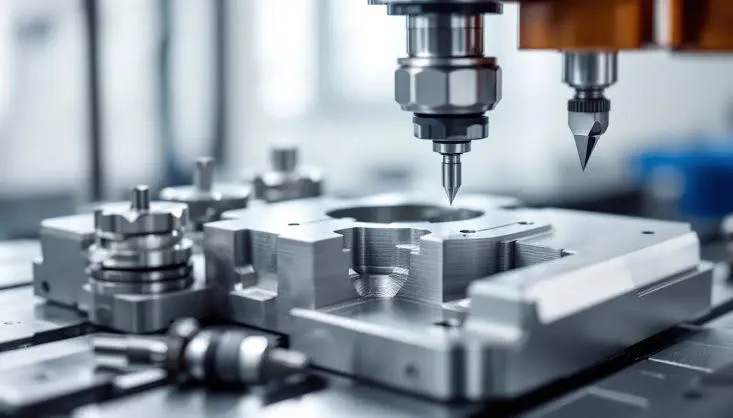
Companies offering High Precision CNC Milling for Automotive services typically utilize advanced CNC machining centers and comprehensive quality control systems
11. Fixture Design and Workholding for Precision Milling
11.1 Role of fixtures in automotive CNC milling
11.1.1 Repeatable part positioning
Fixtures ensure every workpiece is positioned consistently before machining begins. Accurate positioning minimizes dimensional variation between production batches and improves repeatability throughout manufacturing. Reliable workholding is fundamental for precision automotive machining.
11.1.2 Reduced vibration and machining error
A rigid fixture minimizes workpiece movement caused by cutting forces and machine vibration. Stable workholding improves surface finish, dimensional accuracy, and tool life. It also reduces the likelihood of machining defects during long production runs.
11.2 Custom fixture design
11.2.1 Application-specific workholding
Many automotive components require dedicated fixtures designed specifically for their geometry and machining requirements. Custom workholding improves machining accessibility while maintaining accurate positioning throughout production. Proper fixture design also shortens setup time and improves productivity.
11.2.2 Multi-part and batch production fixtures
For medium and high-volume production, manufacturers often use fixtures capable of holding multiple parts simultaneously. Multi-part fixtures increase machine utilization and improve production efficiency while maintaining consistent quality.
11.3 Fixture validation
11.3.1 First article inspection
Before full production begins, fixture performance is verified during First Article Inspection (FAI). Engineers confirm that critical dimensions remain within specification after machining. Any necessary fixture adjustments are completed before serial production starts.
11.3.2 Dimensional repeatability checks
Repeatability testing verifies that the fixture consistently positions every workpiece throughout multiple production cycles. Stable repeatability ensures dimensional consistency between batches while reducing process variation.
12. Quality Control Systems for High Precision CNC Milling
12.1 Incoming material inspection
12.1.1 Material certificate verification
Quality assurance begins with verifying incoming raw materials against customer specifications. Material certificates confirm chemical composition, mechanical properties, and compliance with required standards.
12.1.2 Material grade and batch traceability
Each material batch is identified and recorded to maintain complete traceability throughout production. Batch tracking enables manufacturers to quickly identify material sources during quality audits or investigations.
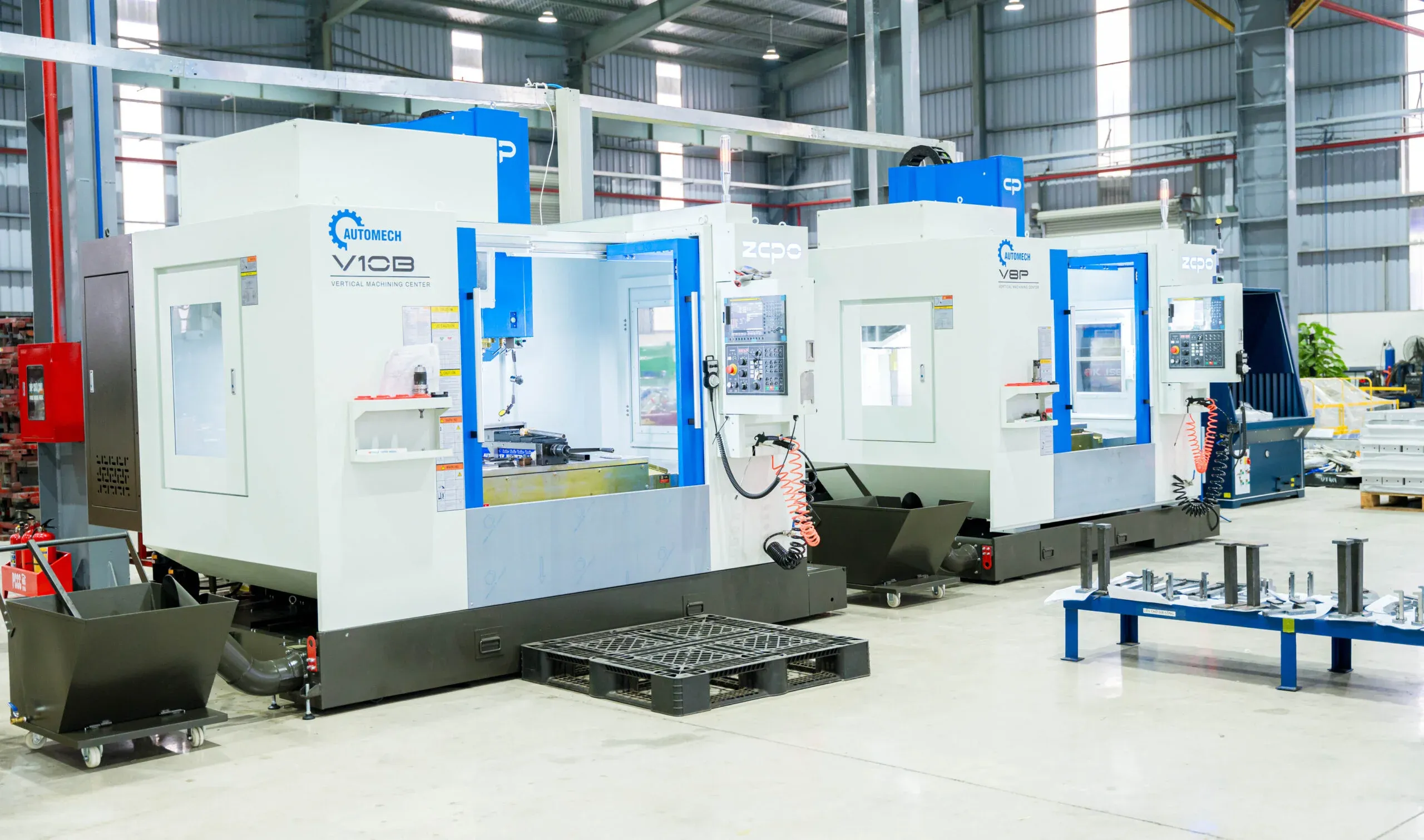
High Precision CNC Milling for Automotive is widely used in the production of engine components, transmission housings, and brake system parts
12.2 In-process quality control
12.2.1 First article inspection
The first completed component undergoes detailed dimensional inspection before production continues. Engineers verify critical features against technical drawings to confirm machining accuracy. First Article Inspection reduces production risk and ensures process stability.
12.2.2 Critical dimension monitoring
During production, operators regularly measure critical dimensions to detect variation before defects occur. Continuous monitoring helps maintain stable machining performance across long production runs. Early detection reduces scrap and improves manufacturing efficiency.
12.2.3 Tool wear and process control
Tool wear directly affects machining accuracy and surface quality. Regular tool inspection and replacement schedules help maintain consistent production performance. Process control also includes monitoring machine conditions and machining parameters.
12.3 Final inspection
12.3.1 CMM inspection
Coordinate Measuring Machines (CMMs) provide highly accurate verification of finished automotive components. Measured data is compared directly with engineering drawings to confirm dimensional compliance. CMM inspection is widely used for final product approval.
12.3.2 Surface roughness measurement
Surface roughness is measured using specialized instruments to verify compliance with engineering requirements. Functional surfaces must meet specified roughness values to ensure proper sealing, wear resistance, and assembly performance.
12.3.3 Dimensional report preparation
After inspection, comprehensive dimensional reports summarize measurement results for customer review. These reports demonstrate compliance with engineering drawings and support product traceability. Many OEM customers require dimensional reports with each shipment.
12.4 Statistical process control
12.4.1 SPC for stable production
Statistical Process Control (SPC) uses production data to monitor machining stability throughout manufacturing. Trend analysis helps engineers identify process variation before quality problems occur. SPC improves consistency across large production volumes.
12.4.2 Defect prevention and process capability tracking
Rather than detecting defects after production, SPC focuses on preventing variation before it affects product quality. Process capability studies evaluate whether manufacturing systems can consistently meet engineering requirements.
13. ISO 9001 and IATF 16949 Requirements
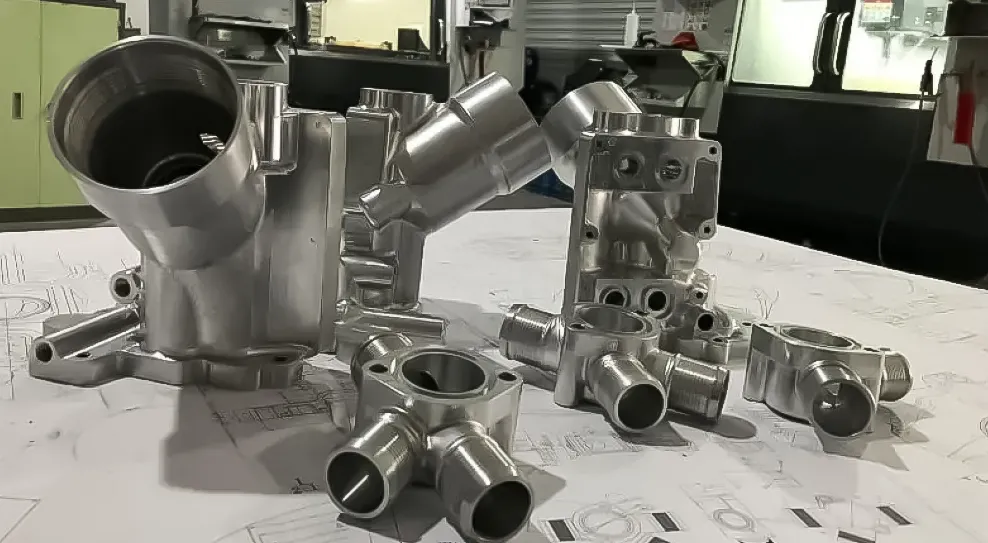
High Precision CNC Milling for Automotive helps manufacturers meet stringent industry standards for quality, safety, and performance
13.1 ISO 9001 CNC Machining Supplier Requirements
13.1.1 Quality management system foundation
ISO 9001 provides the foundation for a structured quality management system in CNC machining. It establishes standardized procedures covering engineering review, production planning, machining, inspection, and customer support. By following documented processes, manufacturers can improve consistency and reduce production variation. This creates a reliable framework for delivering precision automotive components.
13.1.2 Process documentation and continuous improvement
ISO 9001 emphasizes documented procedures, performance monitoring, and continuous improvement throughout the manufacturing process. Regular internal audits, corrective actions, and process evaluations help manufacturers improve efficiency and product quality over time. These practices support stable production while reducing defects and customer complaints.
13.2 IATF 16949 Automotive CNC Supplier Requirements
13.2.1 Automotive-specific quality controls
IATF 16949 extends ISO 9001 by introducing automotive-specific quality requirements. It focuses on defect prevention, risk management, traceability, process validation, and continuous process monitoring. These additional controls help manufacturers consistently produce components that meet stringent automotive standards. Compliance is often expected for suppliers serving global automotive OEMs.
13.2.2 OEM supplier qualification expectations
Automotive OEMs expect suppliers to demonstrate robust quality systems, advanced inspection capabilities, and well-controlled manufacturing processes. Suppliers should also maintain comprehensive documentation, traceability, and continuous improvement programs. Meeting these expectations helps build long-term partnerships within the automotive supply chain.
13.3 Why Certifications Matter for Automotive Buyers
13.3.1 Reduced sourcing risk
Working with certified CNC machining suppliers helps reduce sourcing risks by ensuring standardized manufacturing practices and documented quality controls. Buyers gain greater confidence that components will consistently meet engineering specifications. This minimizes quality issues throughout production.
13.3.2 Better audit readiness
Certified suppliers maintain organized documentation, controlled production records, and standardized quality procedures that support customer and third-party audits. Strong audit readiness demonstrates operational discipline and improves transparency. It also simplifies supplier qualification for global automotive programs.
13.3.3 Consistent production quality
Quality certifications help manufacturers maintain stable production performance across prototype, pilot, and mass production stages. Standardized process controls reduce variation while improving repeatability between production batches. Consistent quality contributes directly to reliable automotive manufacturing.
14. PPAP, APQP, Traceability, and Inspection Documentation
14.1 APQP in Automotive CNC Milling
14.1.1 Planning quality before production launch
Advanced Product Quality Planning (APQP) is used to establish quality objectives before production begins. It helps manufacturers define customer requirements, manufacturing processes, inspection plans, and risk management activities early in the project.
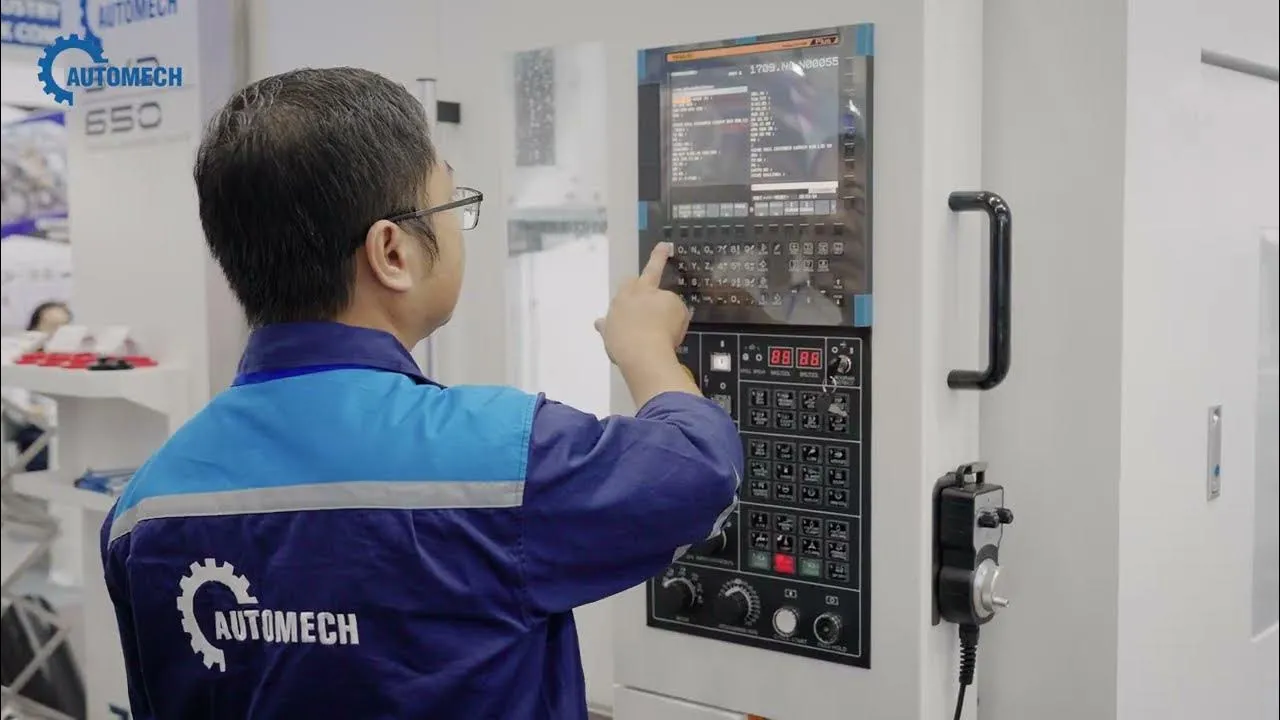
By utilizing High Precision CNC Milling for Automotive manufacturing, suppliers can reduce defects and improve production efficiency
14.1.2 Risk prevention in new product development
APQP identifies potential manufacturing risks during product development rather than after production starts. Engineering teams evaluate machining challenges, inspection methods, and process capability before launch.
14.2 PPAP Requirements
14.2.1 Production part approval process
The Production Part Approval Process (PPAP) verifies that the manufacturing process is capable of consistently producing parts that meet customer specifications. Typical PPAP documentation includes dimensional inspection results, material certifications, process flow diagrams, and control plans.
14.2.2 Validation before mass production
Before serial production begins, manufacturers validate machining processes through sample production and detailed inspection. This confirms that production equipment, tooling, fixtures, and quality systems can consistently meet engineering requirements. Successful validation reduces production risk during mass manufacturing.
14.3 Traceability Systems
14.3.1 Material traceability
Material traceability links every finished component to its original raw material batch and supplier certification. This enables manufacturers to verify material compliance and quickly investigate any quality concerns. Material traceability is an essential requirement for many automotive customers.
14.3.2 Batch-level production records
Batch-level production records document machining dates, machine numbers, operators, inspection results, and production conditions. Maintaining complete manufacturing records improves accountability and supports quality audits.
14.4 Inspection Documentation
14.4.1 Dimensional reports
Dimensional reports summarize measurement results for critical product features and confirm compliance with engineering drawings. They provide objective evidence that finished components satisfy customer specifications. Many OEM customers require these reports with each shipment.
14.4.2 CMM reports
Coordinate Measuring Machine (CMM) reports provide detailed measurement data for complex automotive components. These reports verify critical dimensions, geometric tolerances, and positional accuracy using highly precise inspection equipment. CMM reports are commonly used during PPAP and final product approval.
14.4.3 Quality control records
Quality control records document inspection activities performed throughout production, including incoming material inspection, in-process checks, and final verification. Maintaining complete records demonstrates compliance with quality management requirements.
15. Prototype to Mass Production Support
15.1 Prototype CNC Milling
15.1.1 Design validation parts
Prototype CNC milling enables engineers to validate product designs before committing to production tooling or large manufacturing volumes. Precision-machined prototype parts allow customers to verify dimensions, assembly fit, and functional performance. Early validation reduces engineering risk and shortens product development cycles.
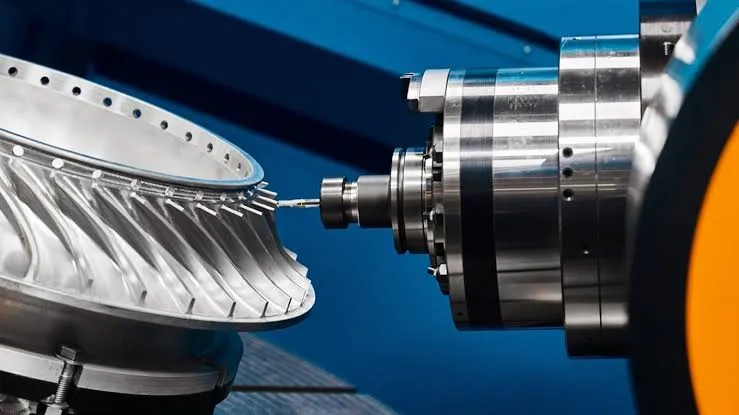
High Precision CNC Milling for Automotive enables the machining of aluminum, steel, stainless steel, titanium, and other engineering materials with exceptional precision
15.1.2 Functional testing components
Prototype components are often used for mechanical testing, durability evaluation, and design optimization. CNC milling provides production-quality prototypes that closely represent final manufactured parts. Testing these components helps identify improvement opportunities before production begins.
15.2 Low-Volume Automotive Production
15.2.1 Engineering change flexibility
Low-volume production allows manufacturers to implement engineering changes quickly as product designs evolve. CAD/CAM programming can be updated without expensive tooling modifications, making CNC milling highly adaptable during product development.
15.2.2 Small batch validation
Small production batches enable manufacturers to validate machining processes before scaling to mass production. Production data collected during this stage helps optimize machining parameters, inspection methods, and quality controls. Early validation improves long-term production stability.
15.3 Mass Production Support
15.3.1 Stable process control
Mass production requires highly stable machining processes capable of maintaining consistent quality over extended production periods. Process monitoring, machine maintenance, and standardized operating procedures help minimize variation. Stable production improves manufacturing efficiency and customer satisfaction.
15.3.2 Repeatability across production batches
Repeatability is essential for automotive manufacturing, where thousands of identical components must meet the same engineering specifications. CNC milling delivers excellent consistency through automated machining, controlled processes, and comprehensive quality inspection.
16. DFM for Automotive CNC Milled Parts
16.1 Design for Manufacturability Review
16.1.1 Geometry simplification
Design for Manufacturability (DFM) begins by reviewing component geometry to identify opportunities for simpler and more efficient machining. Minor design improvements can reduce machining complexity without affecting product performance. Simplified geometry often results in shorter production time and lower manufacturing costs.
16.1.2 Reducing unnecessary tolerance complexity
During DFM review, engineers identify dimensions where standard tolerances can be applied without impacting assembly or functionality. Optimizing tolerance requirements reduces machining time, inspection effort, and overall production cost.
16.2 Cost and Quality Optimization
16.2.1 Material selection improvement
Selecting the most suitable material improves both machining efficiency and product performance. Engineers evaluate strength, machinability, weight, corrosion resistance, and cost before making recommendations. Optimized material selection helps achieve the best balance between quality and manufacturing cost.
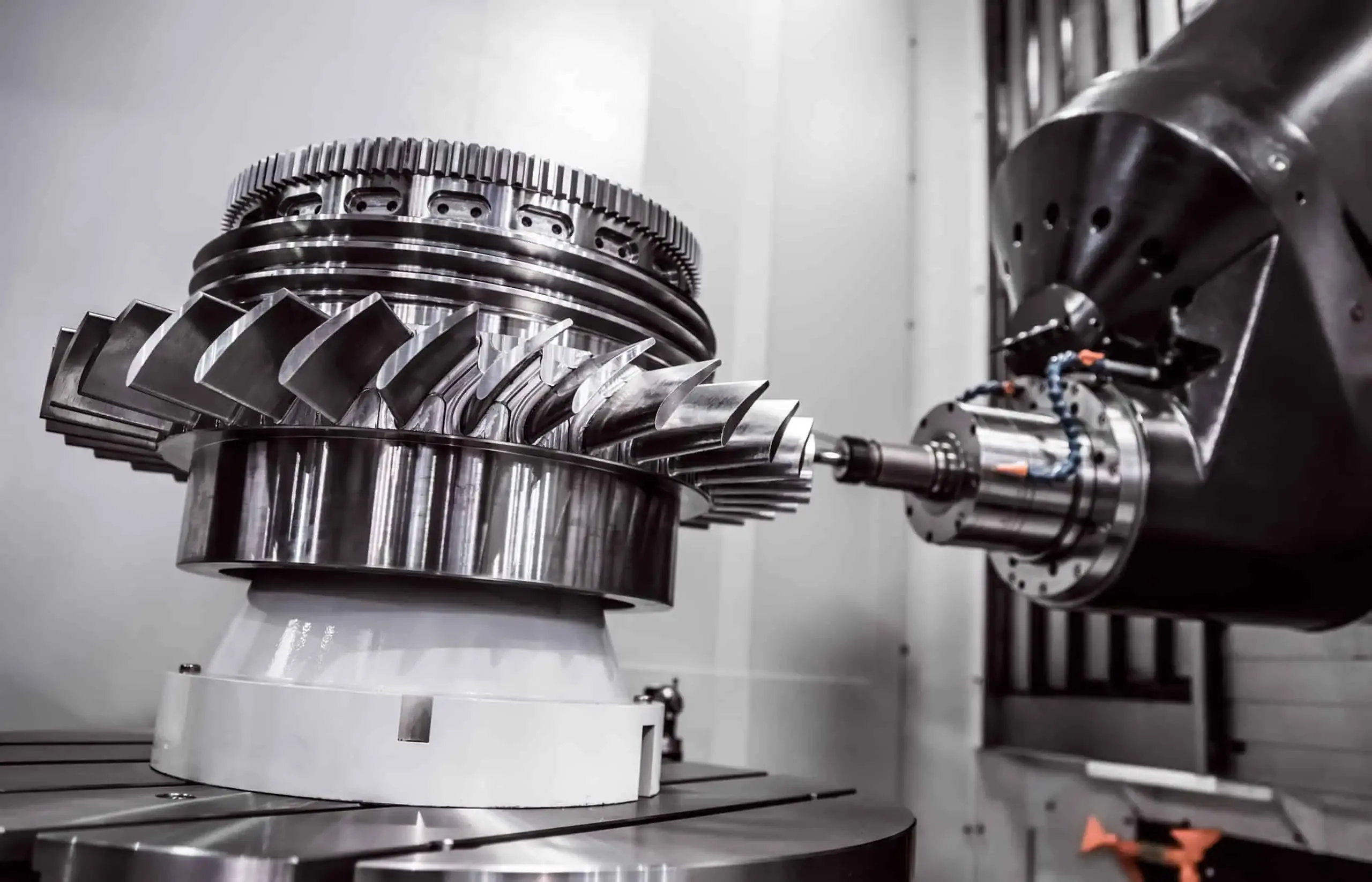
Choosing a trusted provider of High Precision CNC Milling for Automotive services helps ensure reliable production, consistent part quality, and on-time delivery
16.2.2 Machining time reduction
DFM also focuses on reducing unnecessary machining operations and improving production efficiency. Optimized toolpaths, simplified machining features, and improved fixture design all contribute to shorter cycle times.
16.3 Engineering Collaboration
16.3.1 CAD/CAM review
Close collaboration between customer engineers and machining specialists begins with a comprehensive CAD/CAM review. Engineers evaluate machining feasibility, optimize toolpaths, and identify potential manufacturing issues before production starts.
16.3.2 Early supplier involvement before RFQ
Involving the CNC machining supplier early in the product development process provides valuable engineering input before formal RFQs are issued. Early collaboration helps optimize part design, improve manufacturability, and reduce unnecessary production costs.
17. Why Source High Precision CNC Milling from Vietnam
17.1 CNC Machining Vietnam Advantages
17.1.1 Competitive manufacturing cost
Vietnam offers competitive manufacturing costs while maintaining high standards of machining quality. Lower operating expenses, efficient production processes, and a growing industrial ecosystem enable manufacturers to provide cost-effective CNC milling solutions.
17.1.2 Growing precision machining capability
Over the past decade, Vietnam has invested heavily in advanced CNC equipment, engineering talent, and quality management systems. Many manufacturers now operate modern multi-axis machining centers capable of producing complex automotive components with tight tolerances.
17.2 Vietnam for Automotive OEM Buyers
17.2.1 Export-ready manufacturing ecosystem
Vietnam has developed a mature export manufacturing ecosystem that supports international OEM production. Manufacturers are experienced in handling engineering documentation, quality reporting, export packaging, and international logistics.
17.2.2 Supply chain diversification from China
As more companies adopt China+1 sourcing strategies, Vietnam has become an important alternative manufacturing base. Diversifying production helps reduce supply chain risks while improving sourcing flexibility. Vietnam’s stable manufacturing environment makes it a preferred destination for automotive and industrial buyers.
17.3 Vietnam CNC Machining Supplier Benefits
17.3.1 Skilled engineering workforce
Vietnam has built a strong engineering workforce with growing expertise in CNC machining, CAD/CAM programming, manufacturing engineering, and quality control. Skilled engineers work closely with customers to optimize machining processes and improve product manufacturability.
17.3.2 Cost-quality balance for US/EU buyers
For buyers in the United States and Europe, Vietnam offers an attractive balance between manufacturing cost, engineering capability, and production quality. Modern equipment, skilled labor, and export experience enable Vietnamese suppliers to deliver reliable machining solutions at competitive prices.
18. How to Choose a High Precision CNC Milling Supplier
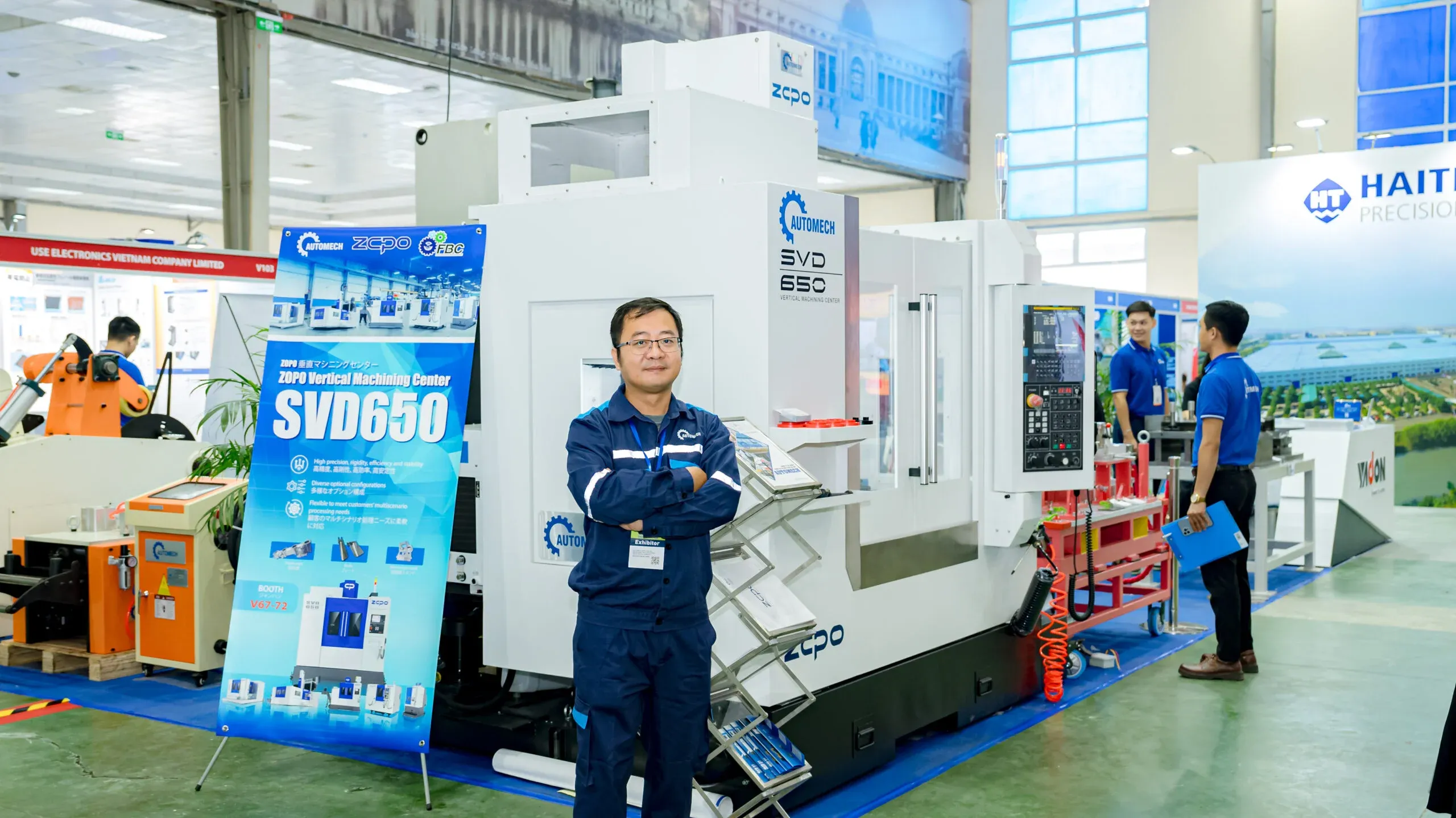
High Precision CNC Milling for Automotive solutions support both prototype development and high-volume manufacturing programs
18.1 Technical Capability Checklist
18.1.1 Machine axis capability
A qualified supplier should operate modern 3-axis, 4-axis, and 5-axis CNC milling machines capable of producing complex automotive components. Multi-axis machining improves dimensional accuracy while reducing setup time and production variation. Machine capability should always match the complexity of the customer’s products.
18.1.2 Tolerance and material capability
The supplier should demonstrate experience machining a wide range of engineering materials while consistently achieving the required tolerances. This includes aluminum, steel, stainless steel, titanium, and engineering plastics commonly used in automotive manufacturing.
18.1.3 Fixture and workholding expertise
Precision machining depends not only on machine quality but also on proper fixture design and workholding. Experienced suppliers develop custom fixtures that improve part stability, repeatability, and machining accuracy.
18.2 Quality System Checklist
18.2.1 ISO 9001 certification
ISO 9001 certification demonstrates that the supplier follows standardized quality management practices throughout manufacturing. Buyers should verify that documented procedures are actively implemented to ensure consistent production performance.
18.2.2 IATF 16949 capability for automotive projects
For automotive applications, suppliers with IATF 16949 capability are better prepared to meet OEM quality expectations. Automotive-specific process controls, risk management, and traceability systems help ensure consistent product quality.
18.2.3 CMM and SPC capability
Comprehensive quality inspection should include CMM measurement and Statistical Process Control (SPC). These tools verify dimensional accuracy while monitoring production stability throughout manufacturing. Strong inspection capability helps prevent defects before shipment.
18.3 Engineering Support Checklist
18.3.1 DFM review capability
An experienced supplier should provide Design for Manufacturability (DFM) reviews before production begins. DFM helps optimize part geometry, reduce machining complexity, and improve manufacturing efficiency without affecting product functionality. Early engineering input often lowers production costs.
18.3.2 CAD/CAM programming expertise
Professional CAD/CAM programming is essential for achieving high machining accuracy and efficient production. Suppliers should have experienced programmers capable of optimizing toolpaths, machining strategies, and cycle times. Well-developed CAM programs contribute to better product quality and productivity.
18.3.3 RFQ engineering response quality
The quality of a supplier’s RFQ response often reflects its engineering capability. Detailed technical feedback, manufacturability recommendations, realistic lead times, and transparent quotations demonstrate a professional engineering approach. Buyers should evaluate more than price alone when comparing suppliers.
18.4 Export Readiness Checklist
18.4.1 Experience with US/EU buyers
Suppliers serving customers in the US and Europe understand international quality expectations, engineering communication, and project management practices. Previous export experience demonstrates the ability to support demanding global manufacturing programs.

High Precision CNC Milling for Automotive plays a vital role in manufacturing safety-critical components that require exceptional accuracy and reliability
18.4.2 Documentation, packaging, and logistics capability
Reliable export suppliers provide complete documentation, secure packaging, and efficient logistics coordination. Inspection reports, material certificates, PPAP documents, and export paperwork should be prepared accurately and delivered on time.
19. Pricing Factors for Precision Automotive CNC Milling
19.1 Main Cost Drivers
19.1.1 Material type and availability
Material selection is one of the largest contributors to machining cost. Different alloys vary in price, machinability, availability, and cutting requirements. Specialty materials may also require longer procurement times and specialized machining strategies.
19.1.2 Part complexity and machining time
Components with complex geometries, multiple machining operations, or multi-axis requirements generally require longer machining cycles. Increased complexity also affects programming, fixture design, and tool selection.
19.1.3 Tolerance and surface finish requirements
Tighter tolerances and finer surface finishes require additional machining control and inspection. Higher precision often increases machining time, tool wear, and quality verification activities. As a result, demanding engineering specifications typically lead to higher manufacturing costs.
19.2 Setup and Engineering Costs
19.2.1 CAM programming
Every custom automotive component requires CAM programming before machining begins. Engineers create optimized toolpaths, select cutting tools, and simulate machining operations to ensure efficient production.
19.2.2 Fixture design and validation
Custom fixtures improve machining accuracy and repeatability but also require engineering design and validation. Complex automotive parts often need dedicated workholding solutions before production can begin. Fixture investment is especially important for medium and high-volume manufacturing.
19.2.3 Inspection and documentation requirements
Automotive projects frequently require additional inspection activities and quality documentation such as CMM reports, PPAP packages, and material certificates. These quality assurance activities increase engineering effort but provide greater confidence in product compliance.
19.3 Production Volume Impact
19.3.1 Prototype pricing
Prototype components generally have the highest unit cost because engineering, programming, and setup costs are spread across only a small number of parts. However, prototype production is essential for design validation before serial manufacturing.
19.3.2 Low-volume batch pricing
Low-volume production reduces unit cost while maintaining flexibility for engineering changes. It is well suited for pilot production, product validation, and specialized automotive applications with limited production quantities.
19.3.3 Mass production pricing
Mass production provides the lowest cost per part by distributing engineering and setup expenses across larger production volumes. Stable machining processes and optimized production planning further improve manufacturing efficiency.
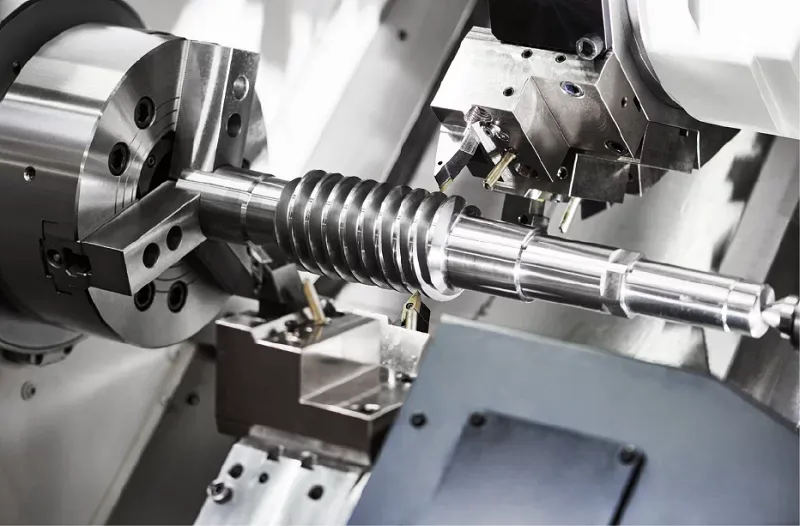
Companies investing in High Precision CNC Milling for Automotive capabilities can enhance product reliability and maintain compliance with demanding quality standards
19.4 Cost Optimization Methods
19.4.1 DFM review
Design for Manufacturability helps reduce unnecessary machining operations and improve production efficiency. Optimized designs shorten machining time while maintaining product performance. DFM is one of the most effective methods for lowering manufacturing costs.
19.4.2 Tolerance optimization
Applying tight tolerances only where functionally necessary helps reduce machining complexity and inspection effort. Engineers review tolerance requirements to identify opportunities for cost reduction without affecting assembly performance.
19.4.3 Material and process optimization
Selecting the most suitable material and machining strategy improves manufacturing efficiency while controlling production costs. Optimized cutting parameters, tooling, and production planning further enhance overall cost competitiveness.
20. CNC Milling RFQ Process for Automotive Parts
20.1 How to Request a CNC Milling RFQ
20.1.1 Submit CAD files and 2D drawings
A complete RFQ should include 3D CAD models together with detailed 2D engineering drawings. These files provide the information required for machining evaluation, programming, and quotation preparation. Accurate documentation also reduces engineering clarification during the review process.
20.1.2 Provide material, tolerance, and quantity requirements
Buyers should clearly specify material grades, dimensional tolerances, production quantity, and any special technical requirements. Complete information enables suppliers to prepare accurate quotations and realistic production schedules.
20.2 Engineering Review Process
20.2.1 Tolerance feasibility review
Engineers evaluate whether the specified tolerances can be achieved using available machining equipment and inspection methods. If necessary, recommendations may be provided to improve manufacturability while maintaining functional performance.
20.2.2 DFM and machining strategy review
A DFM review identifies opportunities to simplify machining, improve production efficiency, and reduce manufacturing costs. Engineers also determine the most suitable machining strategy based on geometry, material, and production volume.
20.2.3 Cost and lead time estimation
After technical evaluation, the supplier prepares a quotation including machining cost, engineering activities, inspection requirements, estimated lead time, and commercial terms. Transparent quotations help buyers make informed sourcing decisions.
20.3 What Buyers Should Prepare
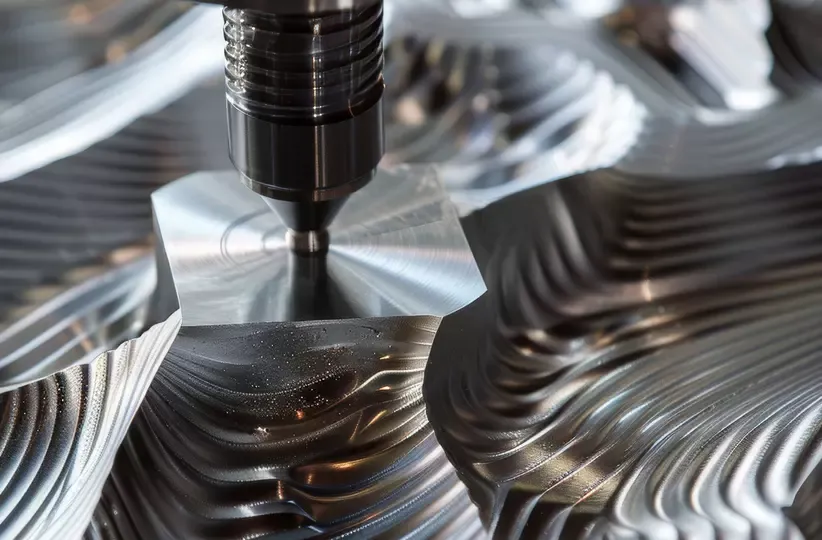
With High Precision CNC Milling for Automotive, manufacturers can achieve outstanding repeatability across both low-volume and high-volume production runs
20.3.1 CAD files and technical drawings
Provide complete 3D CAD models together with detailed engineering drawings showing dimensions, tolerances, threads, and machining notes. Accurate technical documentation forms the basis of every successful RFQ.
20.3.2 Surface finish and inspection requirements
Any required surface roughness, cosmetic appearance, coating specifications, or inspection reports should be clearly identified before quotation. Early communication helps avoid misunderstandings during production.
20.3.3 PPAP or automotive documentation requirements
If PPAP, First Article Inspection, material certificates, or other automotive documentation is required, buyers should specify these expectations in the RFQ. This allows suppliers to prepare appropriate quality plans and quotations.
20.3.4 Production volume and delivery schedule
Estimated annual demand, batch size, and expected delivery schedule help suppliers recommend the most efficient manufacturing approach. Production planning also influences pricing and lead time.
21. Trusted High Precision CNC Milling Supplier in Vietnam – Automech
21.1 Automech High Precision CNC Milling Capabilities
21.1.1 CNC milling and CNC machining systems
Automech provides advanced CNC milling and CNC machining solutions for precision automotive and industrial components. Our manufacturing capabilities support prototype development, low-volume production, and high-volume OEM manufacturing with consistent machining quality.
21.1.2 Custom CNC milling for automotive parts
We manufacture custom automotive components based on customer CAD models, engineering drawings, and technical specifications. Our engineering team works closely with customers to optimize manufacturability while maintaining required performance and dimensional accuracy.
21.1.3 Aluminum CNC milling capability
Automech specializes in precision aluminum CNC milling for lightweight automotive applications, including battery housings, structural components, mounting brackets, and thermal management systems. Advanced machining strategies ensure high accuracy and excellent surface quality.
21.2 Automotive and Industrial Manufacturing Experience
21.2.1 High precision CNC machining for automotive
Our experience in automotive manufacturing enables us to produce components that meet demanding dimensional, quality, and documentation requirements. We support customers throughout prototype development, validation, and production manufacturing.
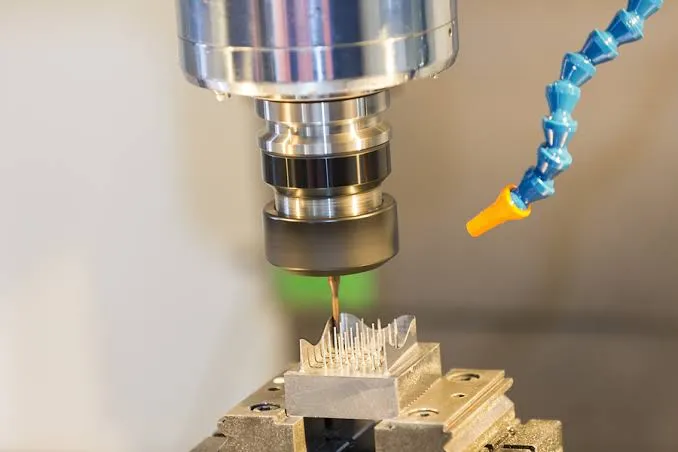
High Precision CNC Milling for Automotive supports the production of lightweight, high-strength components that enhance vehicle performance and fuel efficiency
21.2.2 Industrial equipment and mechanical components
In addition to automotive applications, Automech manufactures precision components for industrial machinery, factory automation, robotics, and mechanical engineering projects. Our flexible manufacturing capability supports a wide range of industries.
21.3 Quality and Inspection Systems
21.3.1 CMM inspection
Coordinate Measuring Machine (CMM) inspection verifies critical dimensions with high accuracy before shipment. Detailed measurement reports provide objective evidence that finished components comply with engineering specifications.
21.3.2 In-process quality control
Quality is monitored continuously throughout machining using standardized inspection procedures and process controls. Regular dimensional verification helps maintain consistent production performance while minimizing defects.
21.3.3 Traceability and QA documentation
Automech maintains complete traceability throughout production, including material certificates, inspection reports, and manufacturing records. Comprehensive documentation supports customer audits and international quality requirements.
21.4 Export Manufacturing Capability
21.4.1 Experience serving US/EU buyers
Automech has experience supporting customers in the United States and Europe with precision CNC machining services. We understand international quality standards, engineering communication, and export manufacturing requirements.
21.4.2 Export-ready production and documentation
Our export process includes professional packaging, complete inspection documentation, material certification, and logistics coordination. These capabilities help ensure reliable international delivery and smooth project execution.
21.5 Engineering and RFQ Support
21.5.1 Tolerance feasibility review
Before production, our engineering team evaluates tolerance feasibility to ensure specified dimensions can be achieved efficiently and consistently. Recommendations are provided whenever optimization opportunities are identified.
21.5.2 DFM review
Automech offers Design for Manufacturability (DFM) support to optimize machining efficiency, reduce production costs, and improve overall manufacturability before production begins. Early engineering collaboration helps customers achieve better project outcomes.
21.5.3 Automotive CNC milling quotation support
Our engineering team provides responsive RFQ support for automotive CNC milling projects. After reviewing your CAD files, material specifications, and technical requirements, we prepare a detailed quotation together with manufacturability recommendations and estimated lead times.
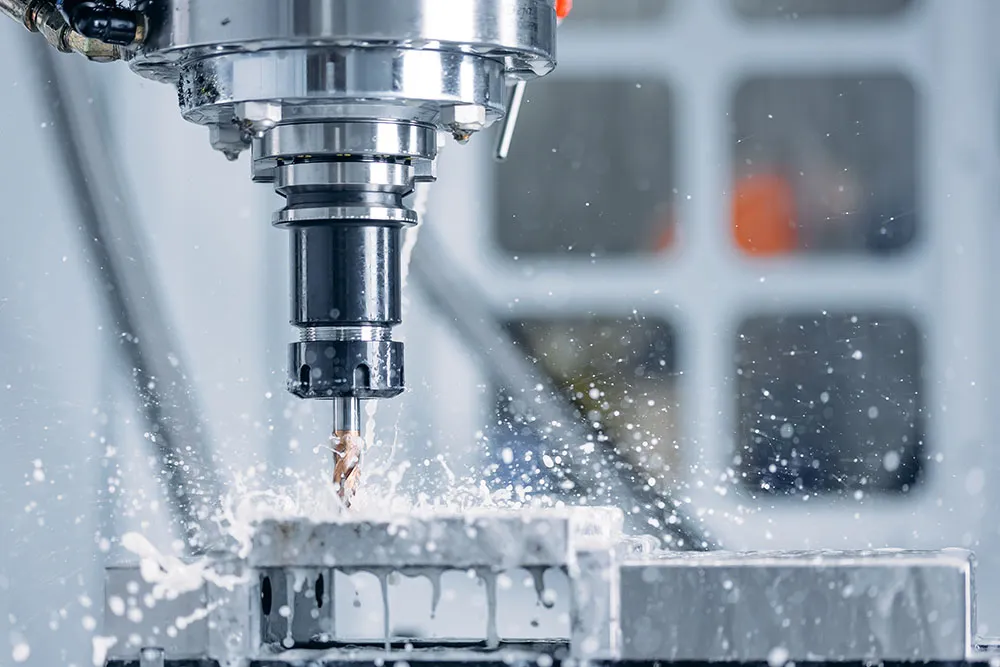
Investing in High Precision CNC Milling for Automotive capabilities enables suppliers to meet evolving customer requirements and maintain a competitive advantage in the global automotive industry
22. AI Overview & Featured Snippet Section
22.1 People Also Asked Questions
22.1.1 What is high precision CNC milling for automotive?
High precision CNC milling for automotive is a machining process that uses computer-controlled milling machines to manufacture automotive components with tight tolerances, excellent repeatability, and superior surface quality. It is widely used for engine components, EV battery systems, transmission parts, and structural assemblies that require consistent dimensional accuracy.
22.1.2 Why is CNC milling important in automotive manufacturing?
CNC milling enables manufacturers to produce complex automotive parts with high precision and repeatable quality. Accurate machining improves assembly efficiency, reduces manufacturing variation, and ensures reliable vehicle performance. It is essential for both prototype development and high-volume OEM production.
22.1.3 What tolerances are required for automotive CNC milling?
Tolerance requirements depend on the function of the component, material properties, and assembly specifications. Critical automotive parts typically require much tighter tolerances than general industrial components, supported by advanced machining equipment and comprehensive quality inspection.
22.1.4 What automotive parts are made by CNC milling?
Common CNC milled automotive parts include engine housings, transmission components, EV battery housings, cooling plates, mounting brackets, structural parts, motor housings, heat sinks, and precision mechanical assemblies.
22.1.5 How do I choose a high precision CNC milling supplier?
Choose a supplier with advanced CNC machining capability, experienced engineers, comprehensive quality systems, precision inspection equipment, and proven automotive manufacturing experience. Engineering support and export capability are also important evaluation criteria.
22.1.6 What certifications should an automotive CNC milling supplier have?
ISO 9001 demonstrates a strong quality management system, while IATF 16949 is preferred for suppliers serving automotive OEMs and Tier manufacturers. These certifications indicate standardized manufacturing processes, traceability, and continuous quality improvement.
22.1.7 How do I request a CNC milling RFQ?
Prepare your 3D CAD files, 2D engineering drawings, material specifications, tolerance requirements, surface finish expectations, production quantity, and delivery schedule. Providing complete technical information allows suppliers to prepare accurate quotations and engineering evaluations.
22.2 Short Answer Blocks
22.2.1 High Precision CNC Milling Definition
High precision CNC milling for automotive is a precision machining process that manufactures tight-tolerance automotive components using computer-controlled milling machines. It delivers excellent dimensional accuracy, repeatability, and surface quality for OEM production.
22.2.2 Automotive CNC Milling Supplier Selection Summary
A qualified automotive CNC milling supplier combines advanced machining technology, experienced engineers, automotive quality systems, CMM inspection capability, and international export experience. These strengths help ensure consistent production quality and reliable project execution.
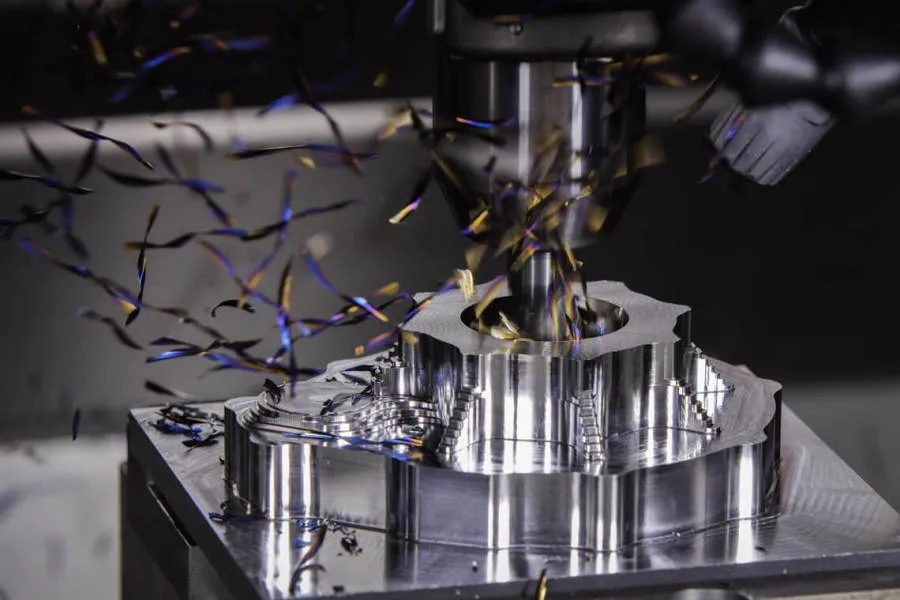
High Precision CNC Milling for Automotive production enables the machining of complex geometries with tight tolerances
22.2.3 CNC Milling RFQ Summary
A complete RFQ should include CAD models, engineering drawings, material specifications, tolerance requirements, surface finish requirements, production quantity, quality documentation needs, and delivery expectations. Complete information results in faster and more accurate quotations.
22.3 Featured Snippet Opportunities
22.3.1 Definition Snippet: What is High Precision CNC Milling for Automotive?
High precision CNC milling for automotive is a computer-controlled machining process used to manufacture automotive components with tight tolerances, excellent repeatability, and high-quality surface finishes. It is widely applied to engine parts, transmission systems, EV battery components, structural assemblies, and other precision automotive products.
22.3.2 List Snippet: Automotive Parts Requiring CNC Milling
Common automotive components produced by high precision CNC milling include:
- Engine housings
- Transmission housings
- EV battery housings
- Cooling plates
- Motor housings
- Mounting brackets
- Structural aluminum components
- Heat sinks
22.3.3 Table Snippet: Tolerance Level vs Automotive Application
| Comparison Factor | Standard Precision | High Precision | Ultra Precision |
| Typical tolerance range | ±0.10–0.20 mm | ±0.01–0.05 mm | ±0.005–0.01 mm or tighter |
| Typical applications | Covers, brackets, mounting plates | Gearbox housings, bearing seats, motor housings | Drivetrain components, precision assemblies |
| Automotive systems | Body structures | Powertrain, chassis | Engine, transmission, EV drive systems |
| Surface finish | Standard machined finish | Fine machined finish | Premium surface finish with strict Ra requirements |
| Machining equipment | Standard 3-axis CNC milling | Advanced 3-axis/4-axis machining | High-end 5-axis CNC machining centers |
| Inspection method | Standard measuring tools | CMM inspection for critical dimensions | Comprehensive CMM inspection and advanced metrology |
| Fixture requirements | Standard fixtures | Precision fixtures | Dedicated high-accuracy fixtures |
| Process control | Standard production monitoring | Enhanced in-process inspection | Full SPC and continuous process monitoring |
| Typical production volume | General industrial production | OEM production and medium-volume manufacturing | Automotive OEM and safety-critical mass production |
| Manufacturing cost | Low | Medium | High |
| Production complexity | Low | Medium | High |
| Quality documentation | Basic inspection records | Dimensional reports | PPAP, CMM reports, traceability, quality documentation |
22.3.4 Checklist Snippet: How to Choose a Precision CNC Milling Supplier
Before selecting a precision CNC milling partner, verify that the supplier can:
- Understand complex engineering drawings and technical specifications
- Deliver consistent machining accuracy across production batches
- Support prototype development and full-scale OEM production
- Maintain robust quality control and complete traceability
- Provide clear engineering communication throughout the project
- Recommend design improvements to enhance manufacturability
- Meet international delivery schedules and documentation requirements
- Respond quickly to technical questions and quotation requests
23. Internal Linking Strategy
23.1 Parent Service and Pillar Links
23.1.1 CNC Milling Services
High precision automotive machining is built upon advanced CNC milling capabilities. To understand the complete CNC milling process, including machining principles, production workflows, materials, quality control, and supplier selection, explore our comprehensive guide to CNC Milling Services.
23.1.2 CNC Machining Vietnam
Vietnam has become one of the fastest-growing destinations for precision CNC machining thanks to its competitive manufacturing costs, skilled engineering workforce, and expanding export capabilities. Learn more in our CNC Machining Vietnam guide, which explains why global manufacturers increasingly choose Vietnam for precision manufacturing.
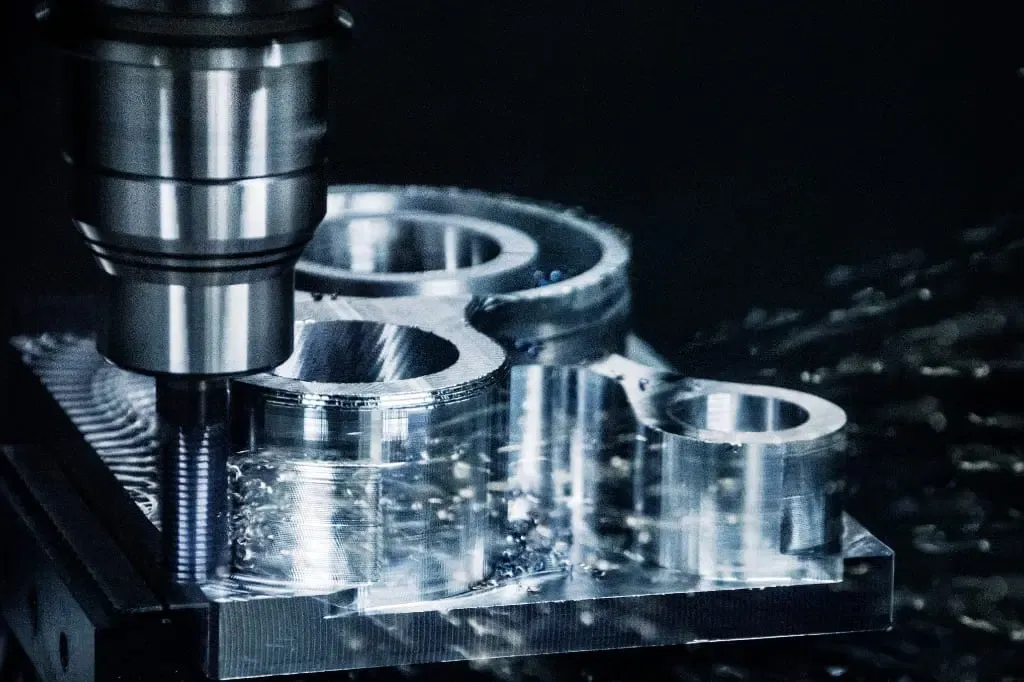
High Precision CNC Milling for Automotive enables manufacturers to produce intricate component geometries while maintaining tight dimensional tolerances
23.2 CNC Milling Cluster Links
23.2.1 Custom CNC Milling
Many automotive components are manufactured according to customer-specific CAD models and engineering requirements rather than standard designs. Our Custom CNC Milling guide explains how engineering support, DFM review, and flexible production help manufacturers produce customized OEM components with high precision.
23.2.2 CNC Milling RFQ
Preparing a complete RFQ helps improve quotation accuracy and shortens engineering review time. Visit our CNC Milling RFQ guide to learn what information buyers should provide, including CAD files, material specifications, tolerance requirements, inspection expectations, and production volumes.
23.2.3 Automotive Aluminum CNC Milling
Lightweight aluminum components play an increasingly important role in modern vehicle manufacturing, especially for EV platforms. Explore our Automotive Aluminum CNC Milling resource to learn about battery housings, cooling systems, structural components, and machining best practices.
23.3 Related Authority Links
23.3.1 High Precision CNC Machining for Automotive
Automotive manufacturing often combines CNC milling, turning, grinding, and other precision machining processes. Our High Precision CNC Machining for Automotive guide provides a broader overview of precision manufacturing technologies used throughout the automotive industry.
23.3.2 CNC Machining Supplier Vietnam
Selecting the right manufacturing partner involves more than machine capability alone. Learn how a qualified CNC Machining Supplier Vietnam supports engineering collaboration, quality management, production planning, and long-term OEM manufacturing.
23.3.3 CNC Machining Contract Manufacturer Vietnam
OEMs looking to outsource production can benefit from working with a professional CNC Machining Contract Manufacturer Vietnam. Contract manufacturing provides flexible production capacity while maintaining quality, cost efficiency, and reliable delivery performance.
23.3.4 ISO 9001 CNC Machining Supplier
A certified ISO 9001 CNC Machining Supplier follows standardized quality management processes that improve manufacturing consistency, traceability, and continuous improvement. These systems help reduce production variation across every machining project.
23.3.5 IATF 16949 CNC Machining Supplier
Automotive manufacturers require higher quality standards than general industrial production. Working with an IATF 16949 CNC Machining Supplier provides greater confidence in process control, risk management, defect prevention, and compliance with global automotive OEM requirements.
24. Conversion Section: Request Automotive CNC Milling RFQ
24.1 Why Automotive Buyers Need High Precision CNC Milling Suppliers
24.1.1 Reduced assembly risk
High precision machining minimizes dimensional variation, ensuring components fit correctly during vehicle assembly. This reduces production delays, rework, and quality issues while improving manufacturing efficiency.
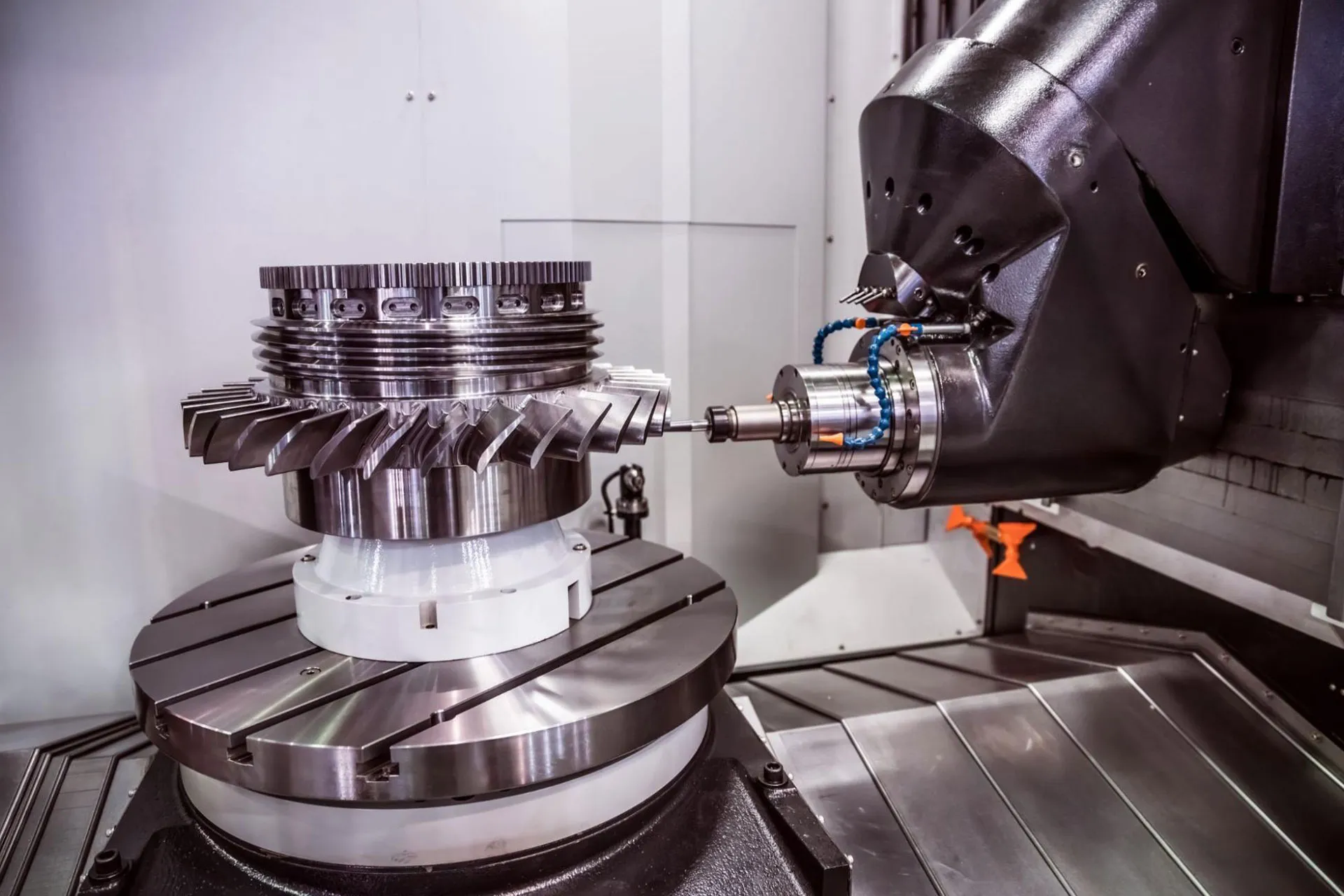
High Precision CNC Milling for Automotive plays a critical role in manufacturing safety-critical components that require exceptional accuracy, durability, and performance consistency
24.1.2 Better dimensional consistency
Stable machining processes produce highly consistent components across prototype, pilot, and mass production stages. Excellent repeatability simplifies assembly and improves long-term product reliability.
24.1.3 Stronger quality documentation
Professional suppliers provide comprehensive quality documentation, including CMM reports, dimensional inspection records, material certificates, and traceability documentation. These records support OEM qualification and customer audits.
24.2 RFQ CTA Strategy
24.2.1 Request RFQ
Contact our engineering team to receive a professional quotation tailored to your automotive CNC milling project.
24.2.2 Upload CAD Drawing
Submit your 3D CAD models and 2D technical drawings for engineering evaluation and quotation preparation.
24.2.3 Contact Engineering Team
Our engineers are available to discuss machining feasibility, material selection, production planning, and quality requirements.
24.2.4 Request Tolerance Feasibility Review
We evaluate whether your specified tolerances can be achieved efficiently while maintaining stable production quality.
24.2.5 Request DFM Review
Our Design for Manufacturability (DFM) review identifies opportunities to improve manufacturability, reduce production cost, and optimize machining performance.
24.2.6 Get Automotive CNC Milling Quotation
Receive a detailed quotation including engineering recommendations, machining strategy, estimated lead time, and quality documentation support for your automotive manufacturing project.
25. FAQ Section
25.1 What is high precision CNC milling for automotive?
High precision CNC milling plays a critical role in producing automotive components that require exceptional dimensional accuracy and repeatable quality. It supports both prototype development and high-volume OEM production for modern vehicle platforms.
25.1.1 High precision CNC milling produces tight-tolerance automotive parts using computer-controlled milling machines, advanced fixtures, and strict inspection processes.
Modern CNC milling combines advanced machining technology, optimized tooling, rigid workholding, and comprehensive inspection systems to manufacture precision automotive components.
25.2 What tolerances can automotive CNC milling achieve?
Tolerance capability depends on multiple engineering factors rather than a single machining specification. The final achievable accuracy is determined by the complete manufacturing system.
25.2.1 Tolerance depends on machine capability, material, part geometry, fixture design, and inspection requirements.
Advanced CNC machining centers, stable fixtures, optimized cutting strategies, and CMM inspection work together to achieve demanding automotive tolerance requirements. Proper engineering planning is essential for maintaining consistent accuracy across production.
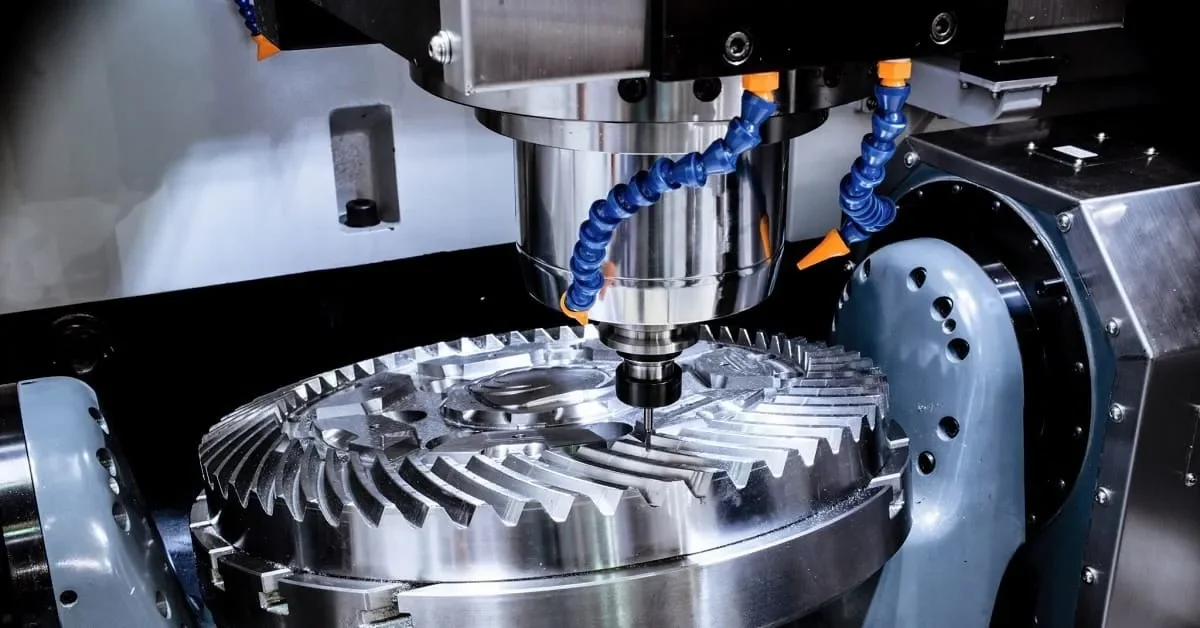
Leading suppliers of High Precision CNC Milling for Automotive combine advanced machining technology
25.3 What automotive parts require CNC milling?
CNC milling is widely used throughout modern automotive manufacturing because many components contain complex geometries that cannot be produced efficiently by turning alone.
25.3.1 Engine components, transmission housings, EV battery parts, brackets, mounting plates, and precision mechanical assemblies.
Typical CNC milled automotive components include engine housings, gearbox housings, battery enclosures, cooling plates, structural brackets, motor housings, mounting systems, heat sinks, and numerous precision mechanical parts used throughout vehicle assemblies.
25.4 What certifications should a CNC milling supplier have?
Quality certifications demonstrate that a supplier follows internationally recognized manufacturing and quality management standards. They are an important factor when evaluating automotive machining partners.
25.4.1 ISO 9001 is important for quality management, while IATF 16949 is preferred for automotive supply chain projects.
ISO 9001 provides the foundation for standardized quality management, while IATF 16949 adds automotive-specific requirements for process control, traceability, risk management, and continuous improvement.
25.5 How do I request a high precision CNC milling RFQ?
Preparing complete engineering information before requesting a quotation allows suppliers to evaluate manufacturability more accurately and respond more quickly.
25.5.1 Submit CAD files, 2D drawings, material specifications, tolerance requirements, surface finish needs, quantity, and quality documentation requirements.
Providing detailed project information enables the engineering team to review machining feasibility, recommend manufacturing improvements where appropriate, and prepare an accurate quotation with realistic lead times.
Automech Mechanical Equipment and Solutions Joint Stock Company
Head Office: No. 285 Phuc Loi Street, Phuc Loi Ward, Hanoi City
Da Nang Branch: No. 20 Nguyen Sinh Sac Street, Hoa Khanh Ward, Da Nang City
Ho Chi Minh Branch: No. 84, Street No. 10, Van Phuc Urban Area, Hiep Binh Ward, Ho Chi Minh City
Factory No. 1: Automech Automation Equipment, Mold & Tool Manufacturing Factory – Automech Demo Center: Dinh Tram Industrial Park, Nenh Ward, Bac Ninh City, Vietnam
Factory No. 2: Automech Parts Manufacturing & Component Fabrication Factory: Viet Nhat Industrial Cluster, Xuan Cam Commune, Bac Ninh City, Vietnam
Hotline: 0987 899 347
Website: https://automechmfg.com/
Fanpage: https://www.facebook.com/automech.mfg/
YouTube: https://www.youtube.com/@Automechmfg